
From Invisible to Enrolling:
SBN's Digital Transformation
Project Overview
| Client | Saved By Nature (SBN) — California-based 501(c)(3) environmental nonprofit |
| My Role | Performance Marketing Manager & Board Member |
| Project Data Timeline | June 2025 – March 2026 (optimization ongoing) |
| Tools Used | SEMrush | Google Search Console | Google Keyword Planner | Google Business Profile | Bing Webmaster Tools | Bing Places For Business | TWIPLA | Wix |
| Headline Result | 0 → 117 program enrollments | #1 local search visibility among all Bay Area competitors | 17 new top-3 keywords with 0 lost | Avg. position 23 → 14.7 |
Table of Contents
The Challenge
When I joined Saved By Nature as Digital Marketing Manager and Board Member in June 2025, the organization had a fundamental problem: it was completely invisible to the communities it existed to serve.
Saved By Nature is a Bay Area-based 501(c)(3) nonprofit offering six nature-based programs for underserved communities — including at-promise youth, seniors, people with disabilities, and BIPOC families. The website was attracting visitors — but not the right ones. The top two traffic sources were branded searches from people who already knew SBN by name, and a poorly optimised blog post about Freeman Tilden. The communities SBN was built to serve — seniors, at-risk youth, BIPOC families — were nowhere in the data. And even for the visitors who did land on the site, there was no way to take action.
The first step was a comprehensive multi-platform audit — Google Search Console for organic search performance, Google Keyword Planner for demand research, TWIPLA for on-site behaviour data, and a full UX review of every page on the site.
What the Data Showed: UX & Infrastructure Failures
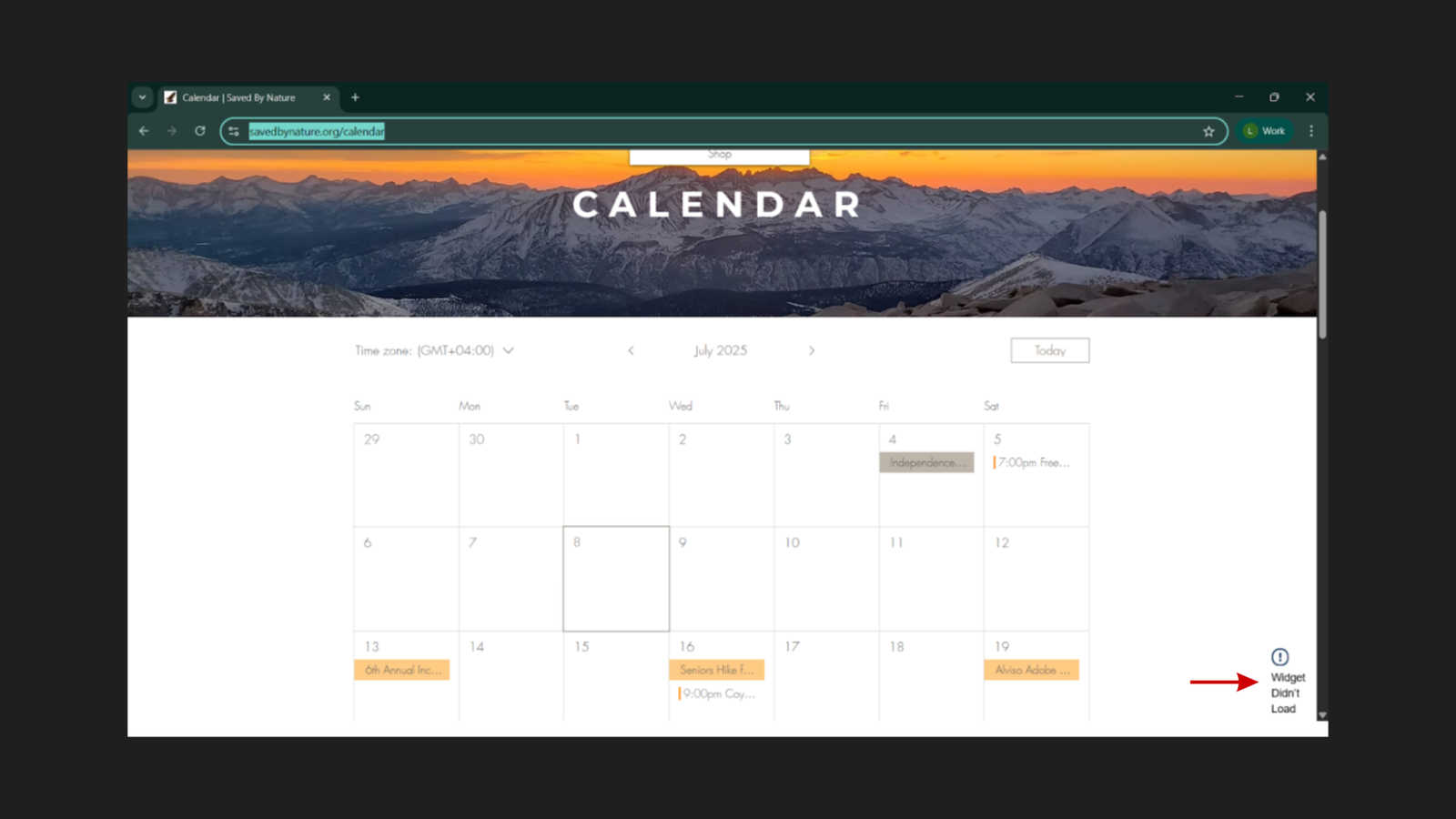
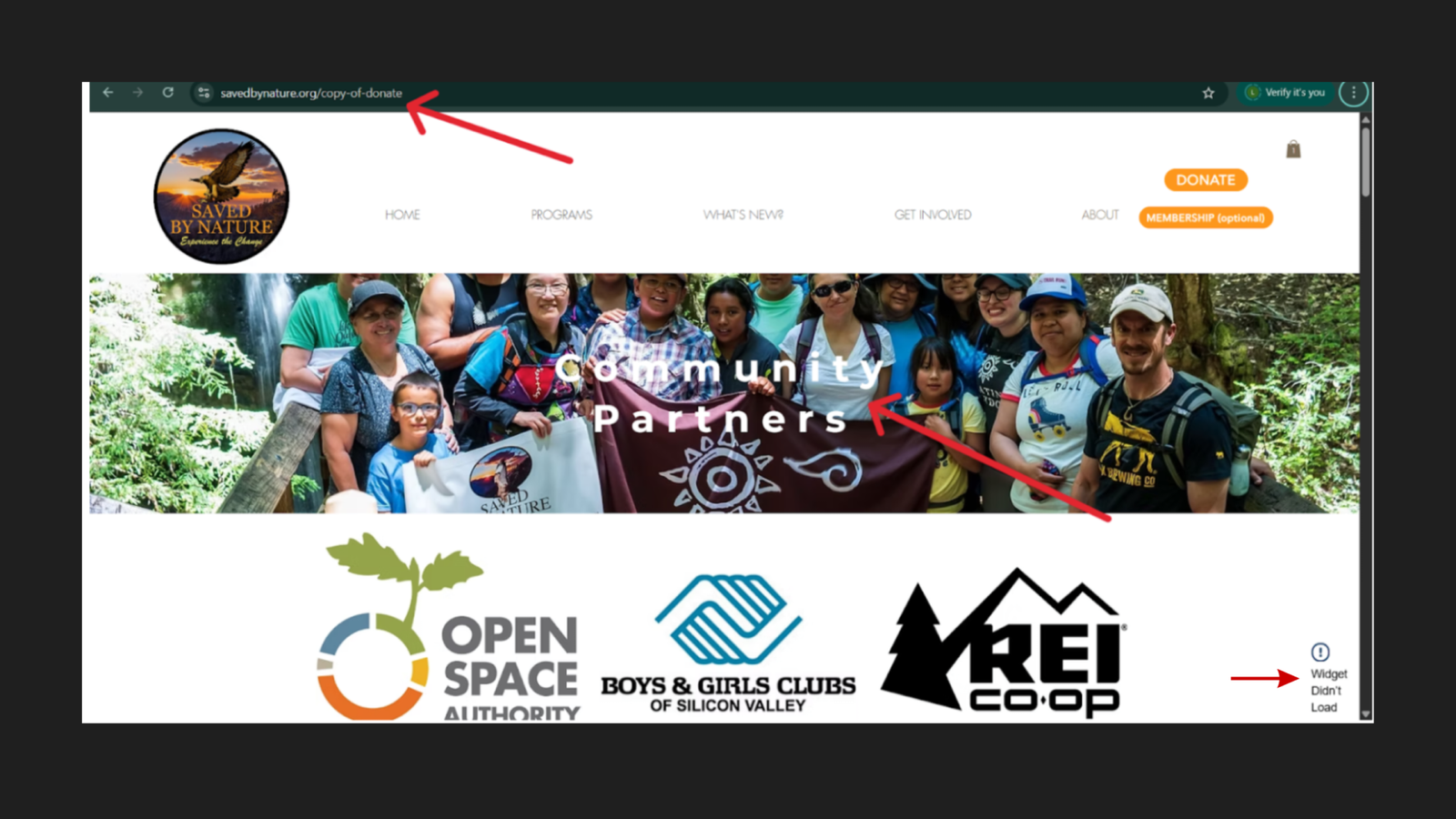
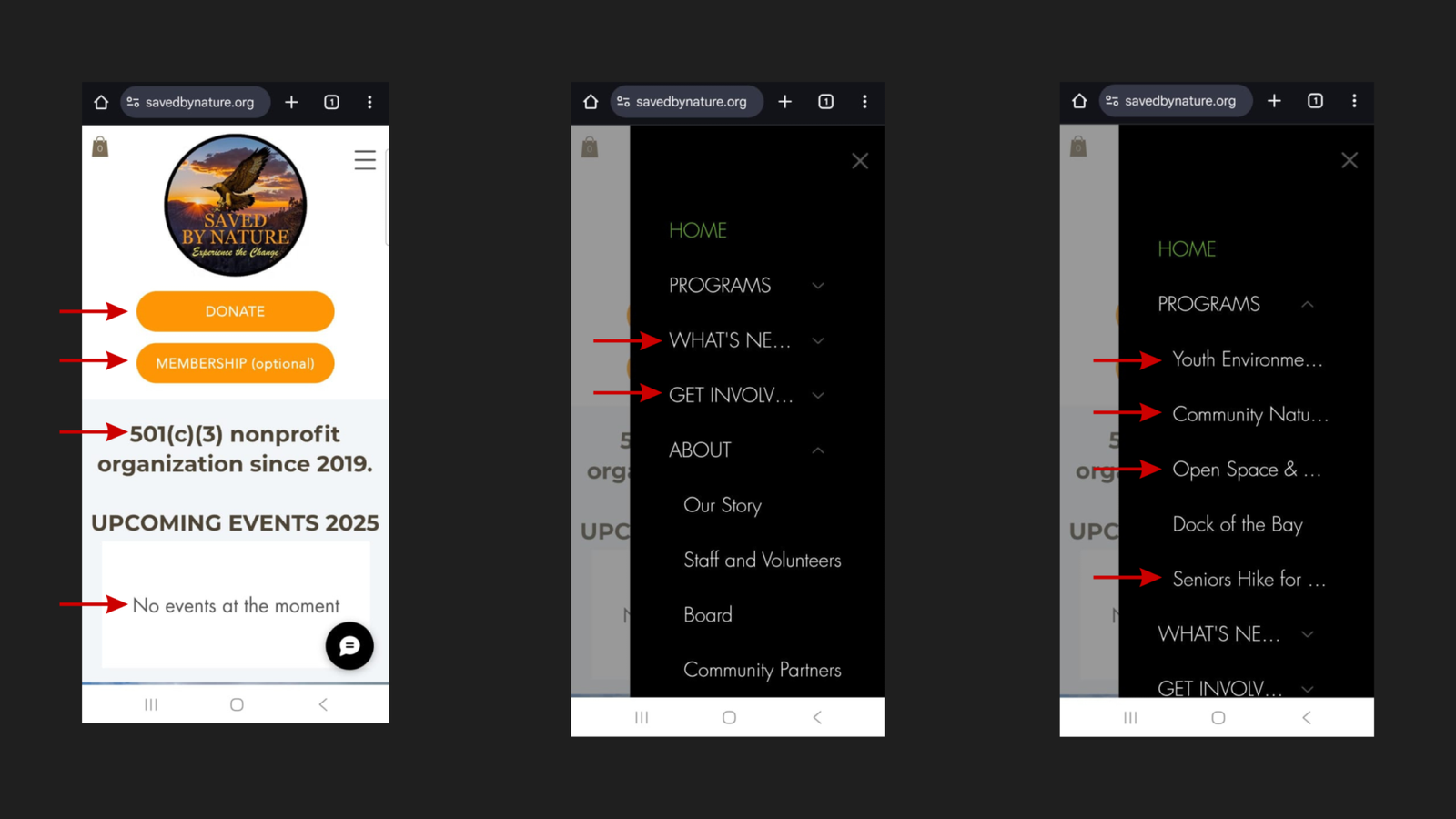
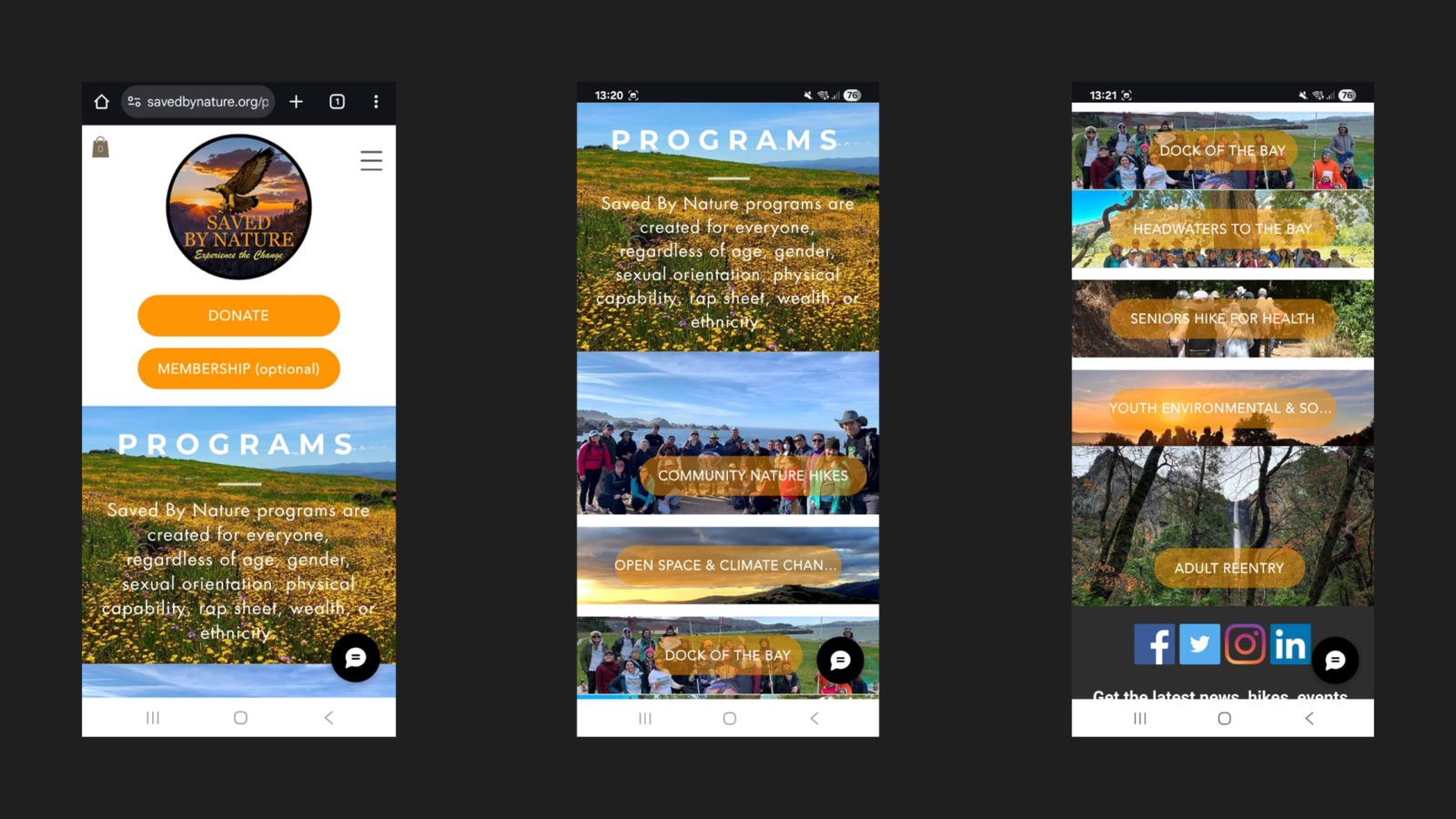


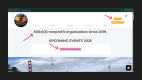
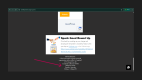
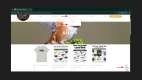
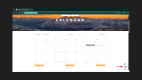
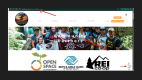
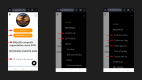
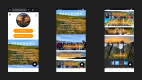


A manual review of all 23+ pages exposed structural problems that no dashboard could fully capture:
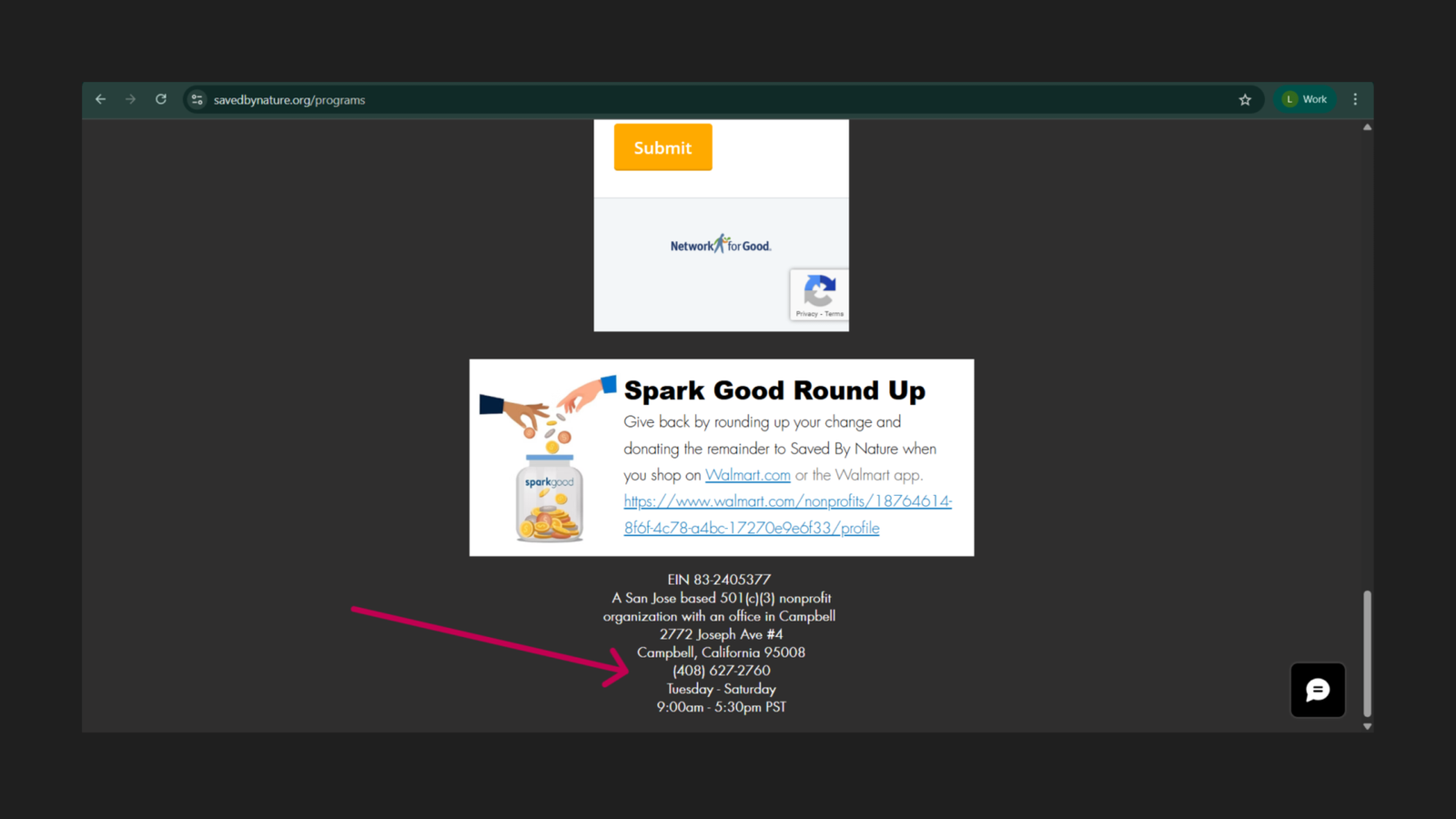
No contact page. A complete review of every top-level navigation item and every dropdown confirmed that no contact page existed anywhere on the site. The only contact information on the entire site was a phone number and physical address buried in the footer — presented as organisational credentials, not as a participant pathway. Healthcare providers considering patient referrals, probation officers seeking reentry programming, and social workers identifying youth programs all encountered the same outcome: no way to make contact.
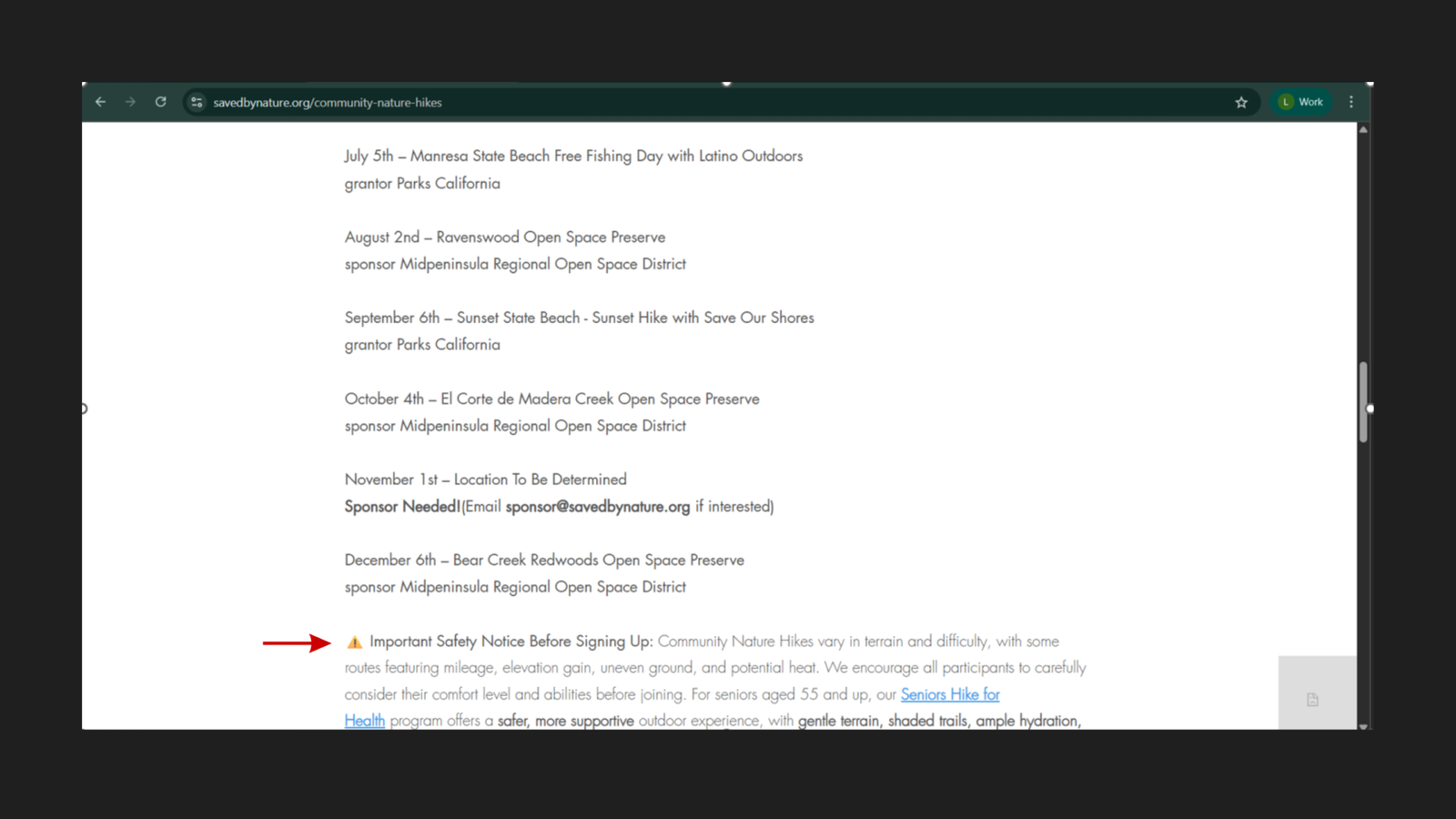
Zero enrollment infrastructure — including a sign-up notice with no sign-up. All seven program pages had the same structure: a schedule, and no pathway to join. The starkest example was the Community Nature Hikes page, which displayed a prominent “Important Safety Notice Before Signing Up” — a heading that presupposed a sign-up mechanism existed. No sign-up mechanism existed anywhere on the site.
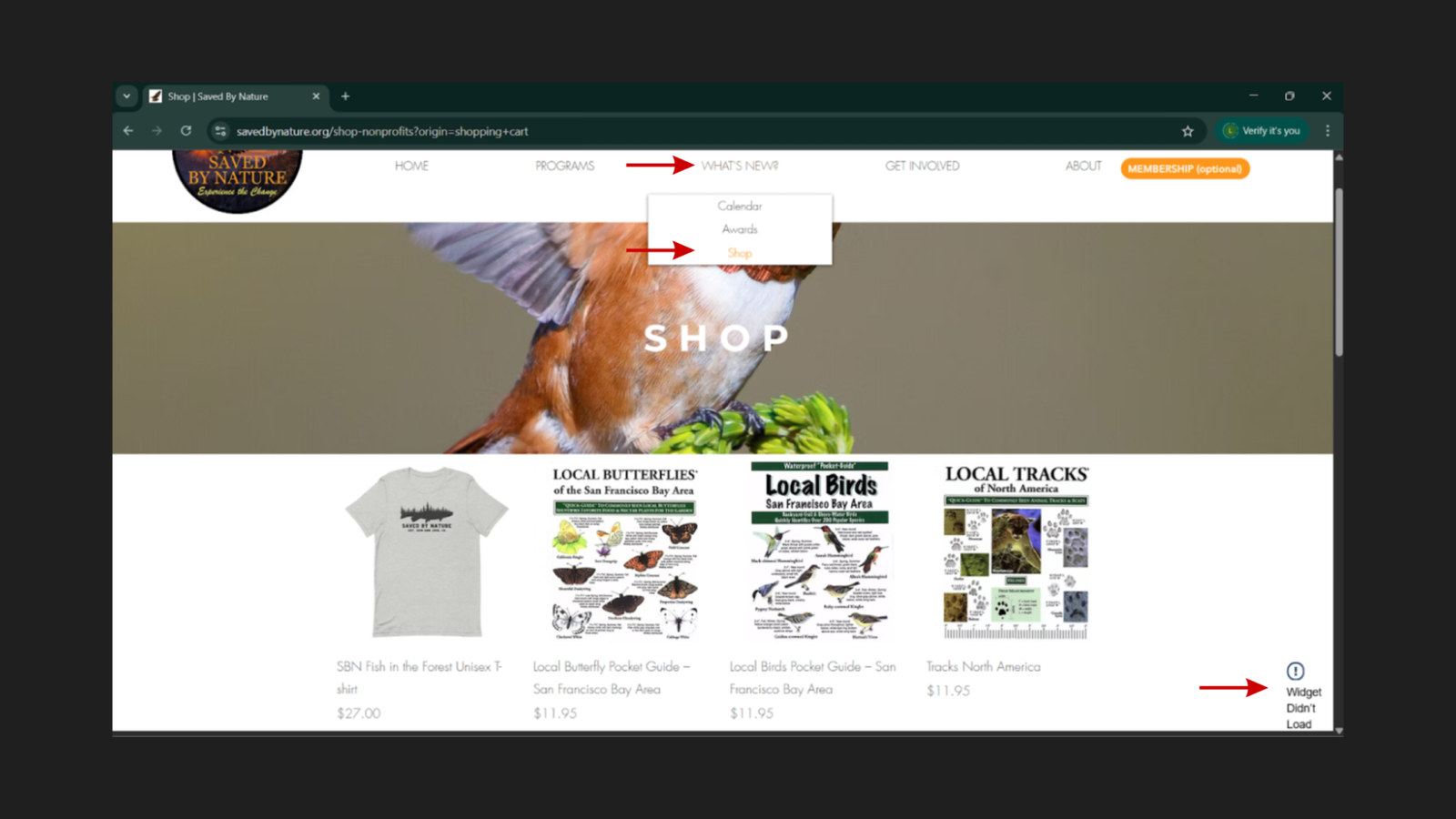
Functional infrastructure buried where visitors couldn’t find it. A fully operational event calendar and a complete e-commerce store both existed — and were only accessible through a dropdown labelled “What’s New.” Neither system was signalled by that label. A working calendar showing real July 2025 events and a checkout-ready shop with PayPal and Venmo integration were effectively invisible to the visitors who needed them.
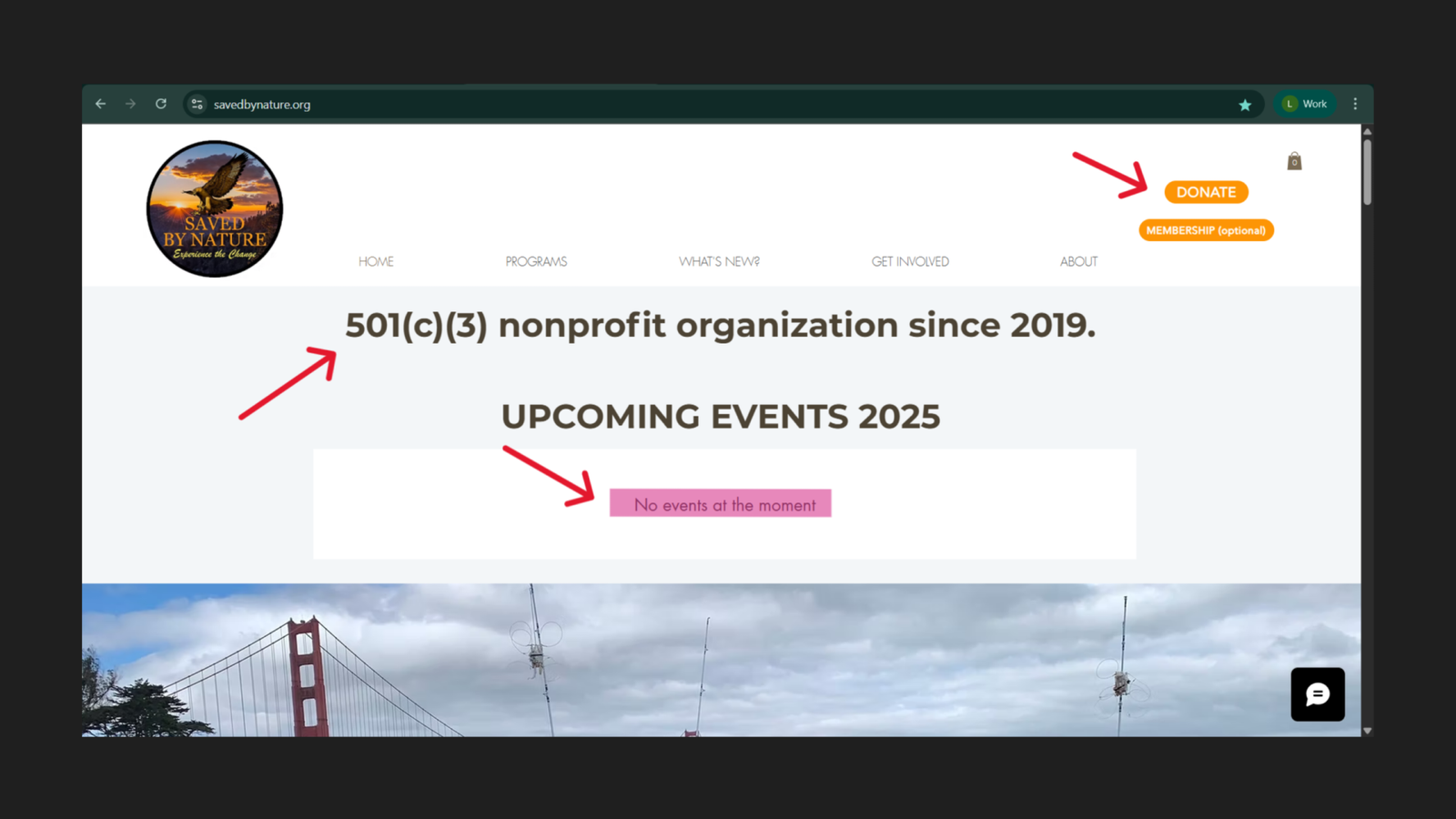
The “No Events” conversion killer. The most prominent above-fold content on the homepage was “No events at the moment” — displayed inside a dedicated white panel with clear visual framing. Six active programs with real schedules existed at the time. The message was a calendar configuration failure, not an organisational reality. Visitors had no way to know that.
Donation-before-value CTA hierarchy. The first interactive element on every page was a DONATE button, followed immediately by MEMBERSHIP. The impact statistics that would justify those asks — 4,589 community members led, 941 seniors guided, 4,584 at-promise youth inspired — were buried below the fold, past the point where the majority of visitors had already left.
URL-content mismatches signalling an unfinished site. The Community Partners page was published at /copy-of-donate. The Youth Environmental & Social Justice program was live at /copy-of-outdoor-access-for-at-promise. Both URLs described pages that no longer existed at those addresses. For any visitor who bookmarked, shared, or searched for these pages — and for every search engine indexing them — the signal was the same: this site was never properly finished.
A broken mobile experience for nearly half of all visitors. Mobile visitors — who represented 48.3% of all traffic — encountered financial CTAs before any program content, program names truncated mid-word (“OPEN SPACE & CLIMATE CHAN…”, “YOUTH ENVIRONMENTAL & SO…”), inconsistent card layouts and aspect ratios throughout the Programs page, and no mobile-optimised enrollment options at any destination.
What the Data Showed: Search Visibility
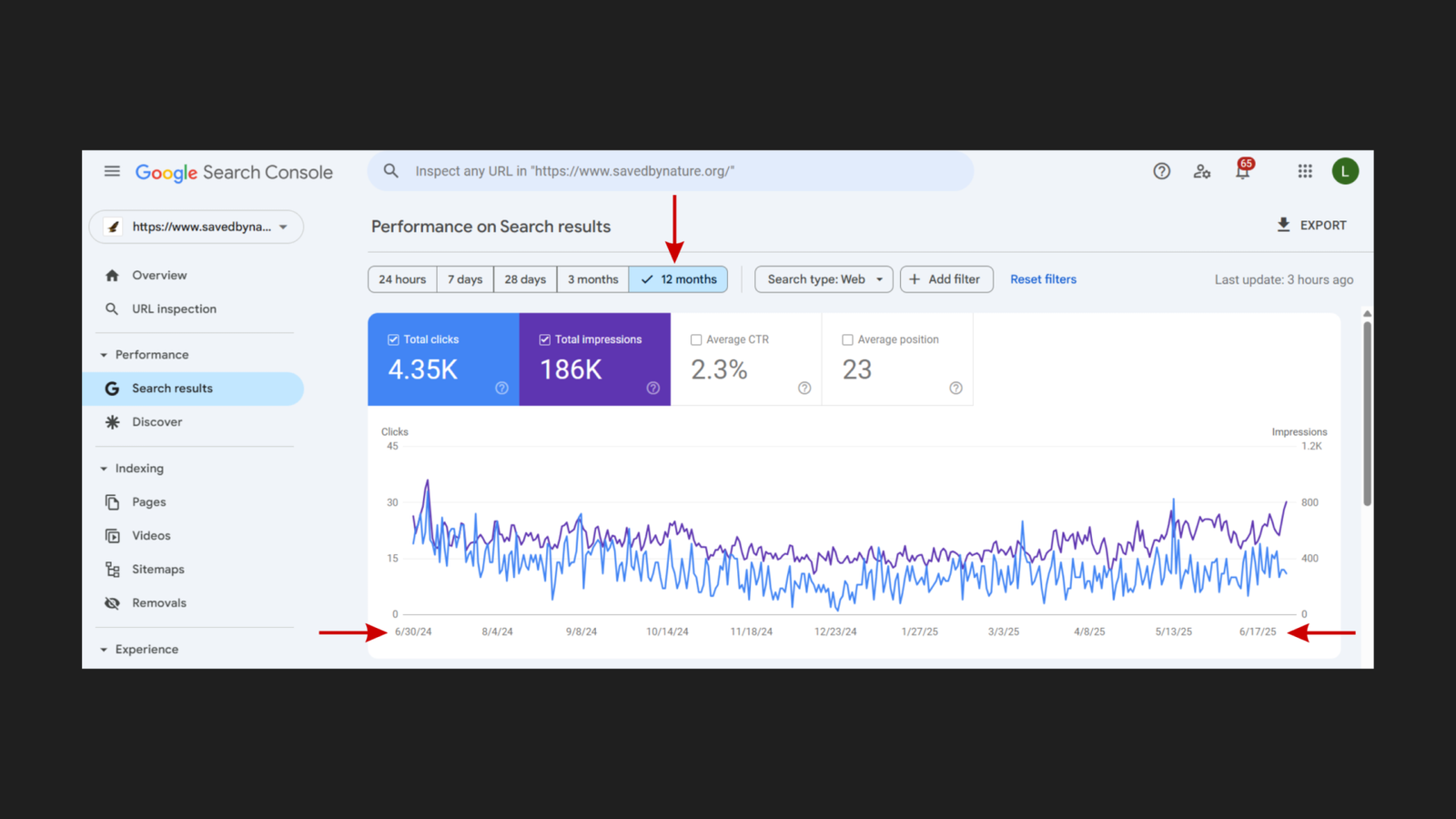
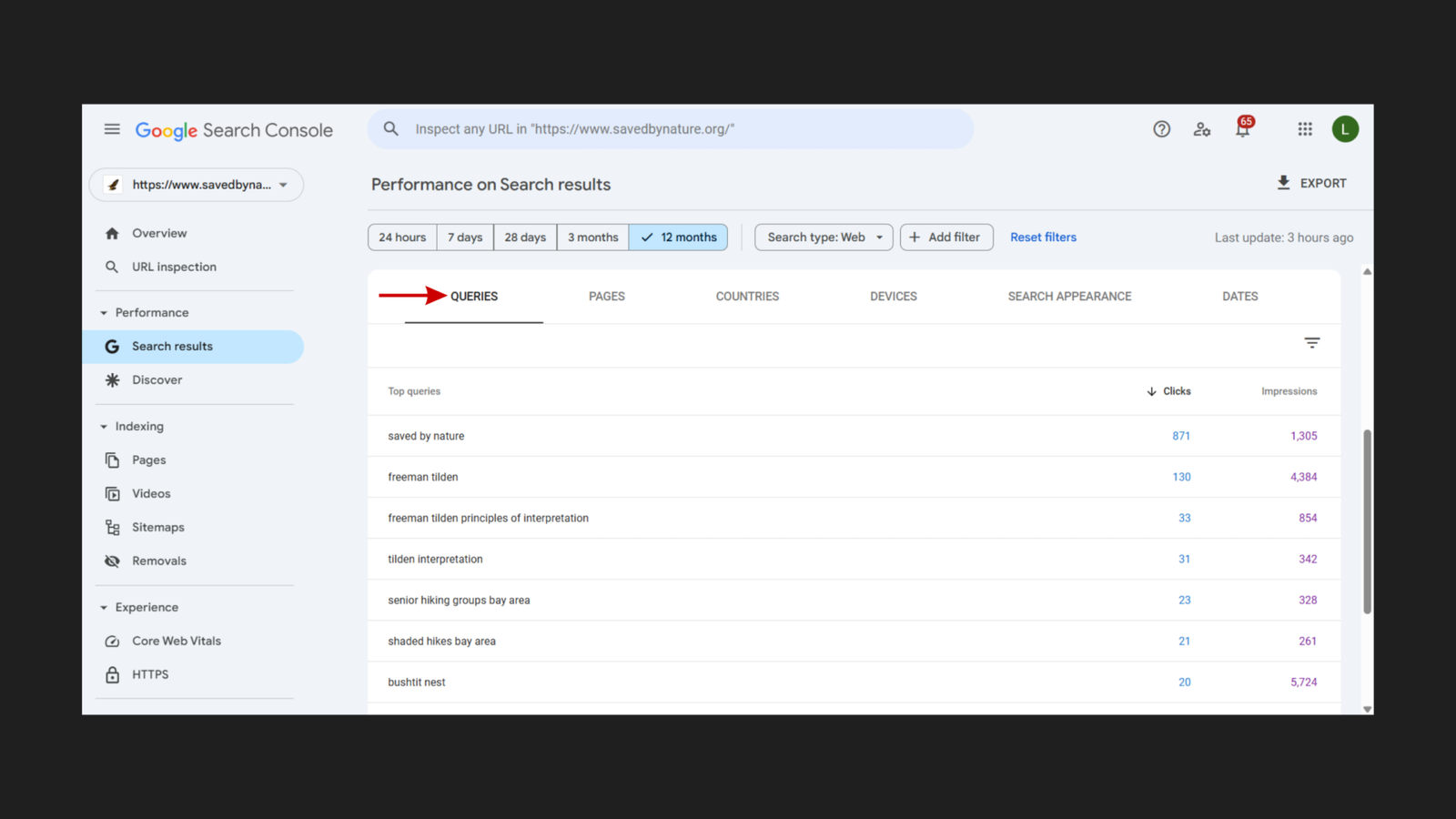
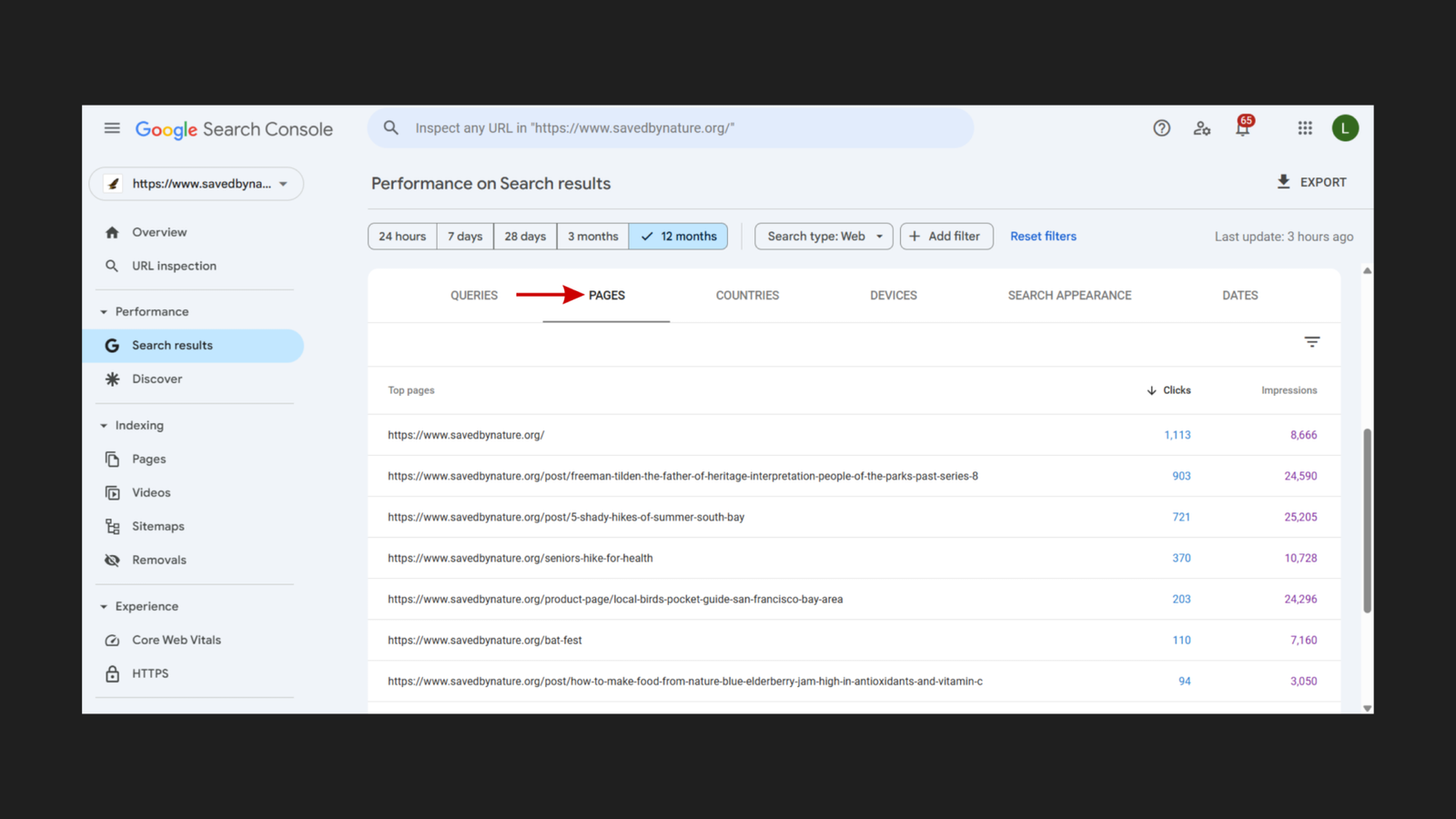
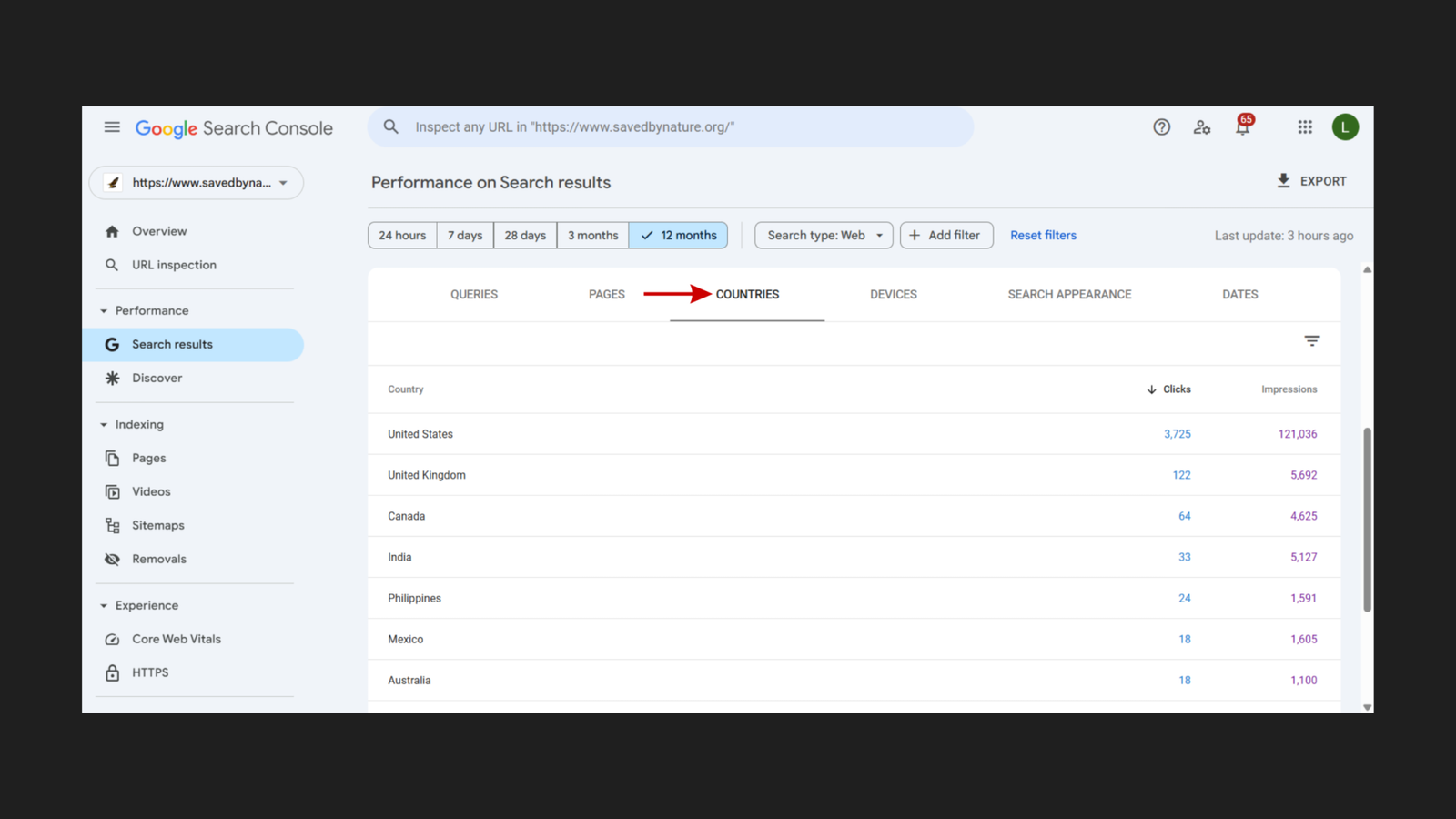
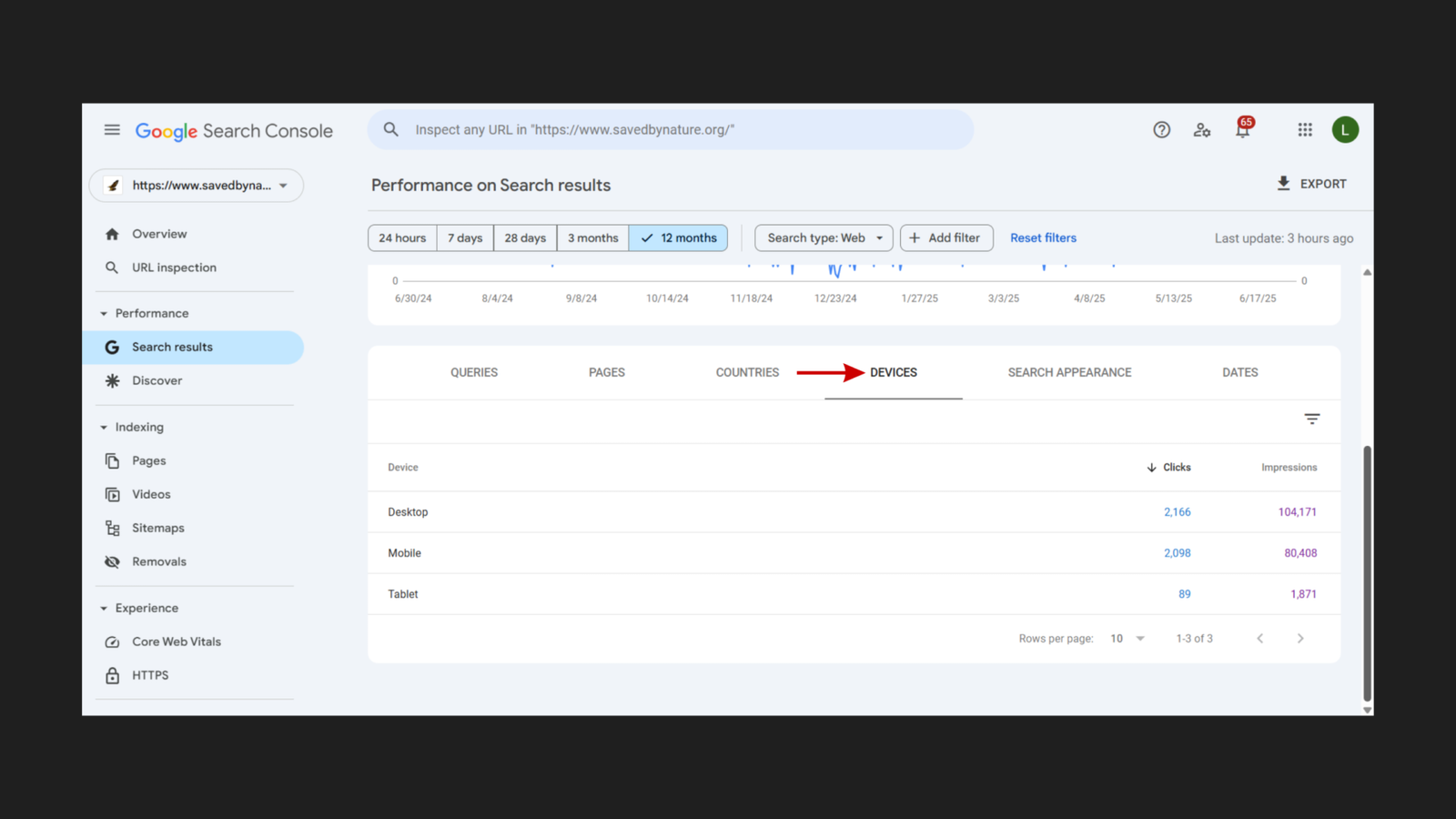
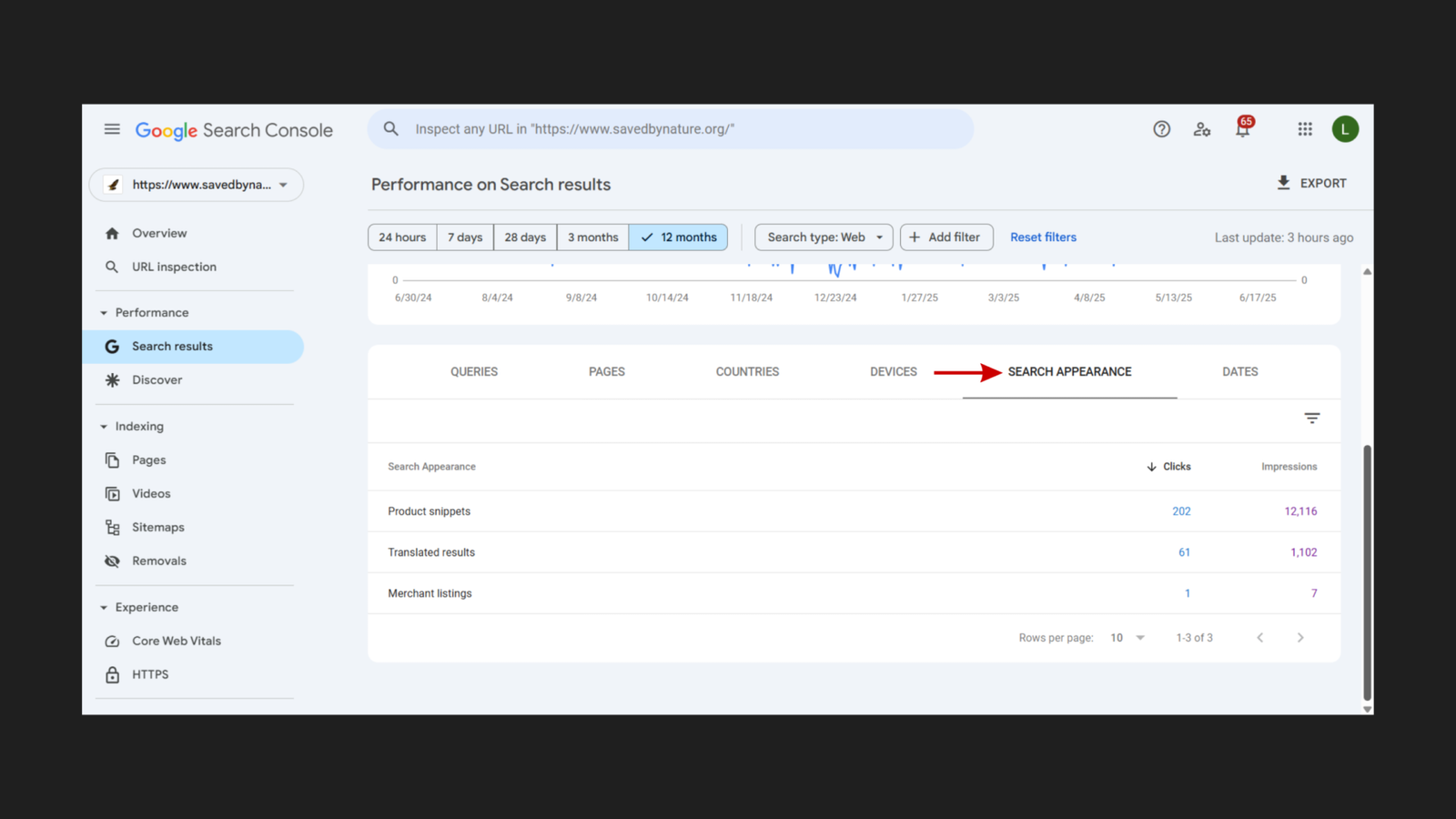
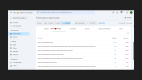
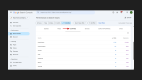
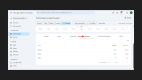
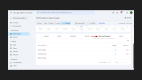
The Google Search Console data for the 12 months from June 2024 to May 2025 showed:
- 4,350 total clicks from 186,000 impressions — an overall CTR of 2.3% and an average position of 23, meaning SBN rarely appeared on page one for non-branded queries.
- ~20% of all clicks came from people already searching for “Saved by Nature” (871 out of 4,350) — branded traffic from people who already knew the organization existed. The majority of remaining traffic came from three blog posts — “Freeman Tilden” (130 clicks), “Shaded Hikes Bay Area” (21 clicks), and “Bushtit Nest” (20 clicks) — none of which reflected the communities SBN was built to serve.
- “Bushtit Nest” was the starkest example of wasted visibility: 5,724 impressions but only 20 clicks (0.35% CTR), ranking in position 2 — near the top of Google — for an audience with no connection to SBN’s mission.
- Only 2 of SBN’s 7 target communities had any measurable search presence — seniors and environmental professionals. 5 communities were completely invisible: at-promise youth, BIPOC communities, multilingual families, people seeking mental health support through nature, and people with disabilities.
- “Seniors Hike for Health” was the only program page with meaningful search visibility — 370 clicks from 10,728 impressions. Every other program page was effectively invisible in organic search.
- 48.3% of search traffic arrived on mobile, yet the mobile experience was broken — truncated navigation, unreadable program tiles, and no enrollment pathways on any device.
- Google’s automatic translation feature was serving SBN content to non-English speakers at a 5.54% CTR — the highest engagement rate of any search feature — despite the site having no native Spanish content. Multilingual demand existed; the site was simply not built to serve it.
- 14.4% of all traffic came from outside the United States — visitors who could not participate in any of SBN’s local programs, representing wasted impressions that pointed to a content-audience mismatch.
- The Search Appearance data showed no FAQ rich results, no event rich results, and no program-related structured data — suggesting schema markup had not been implemented for SBN’s core services, representing a significant missed opportunity for a nonprofit running community programs and events.
What the Data Showed: Engagement & Traffic
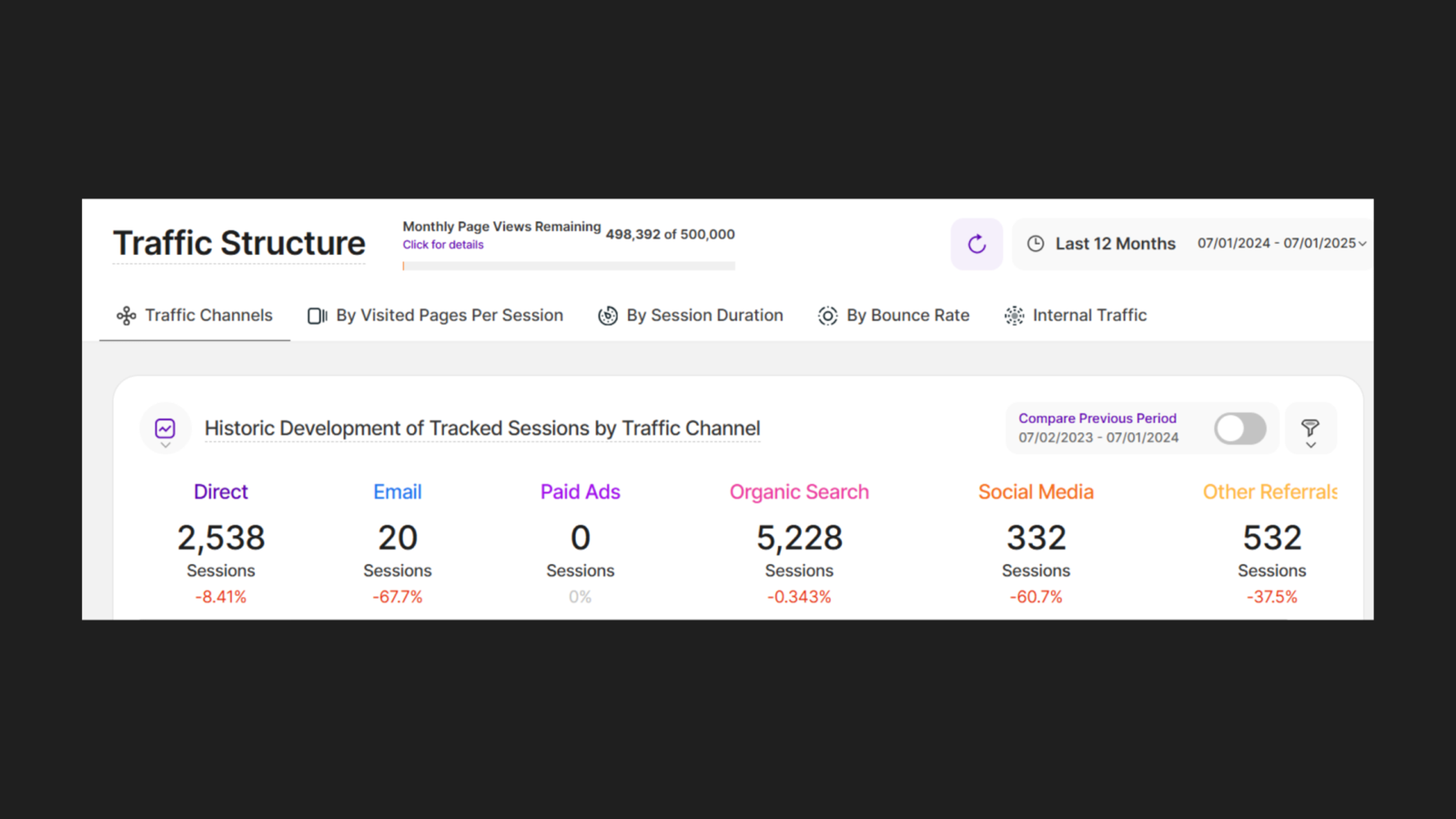
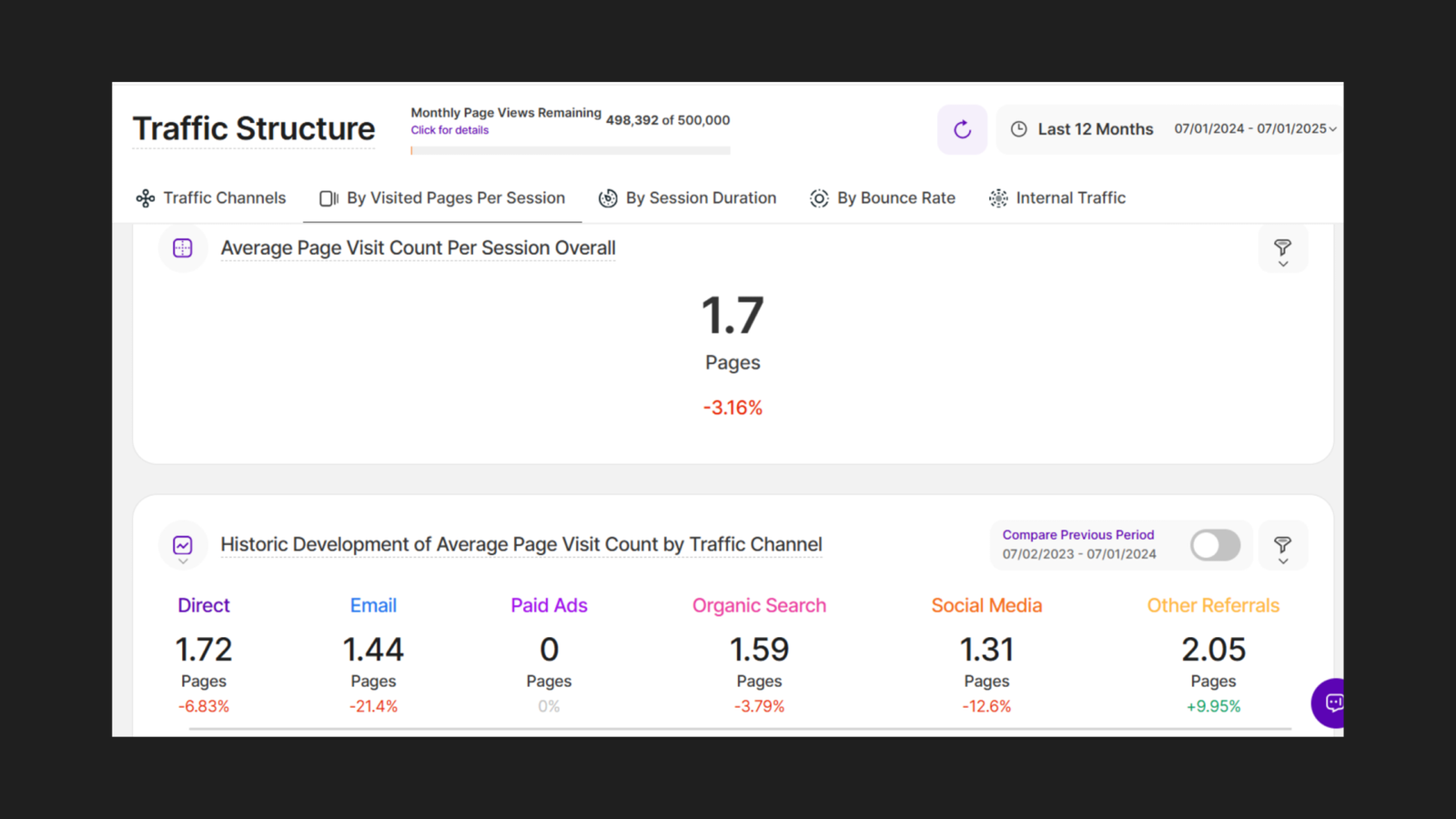
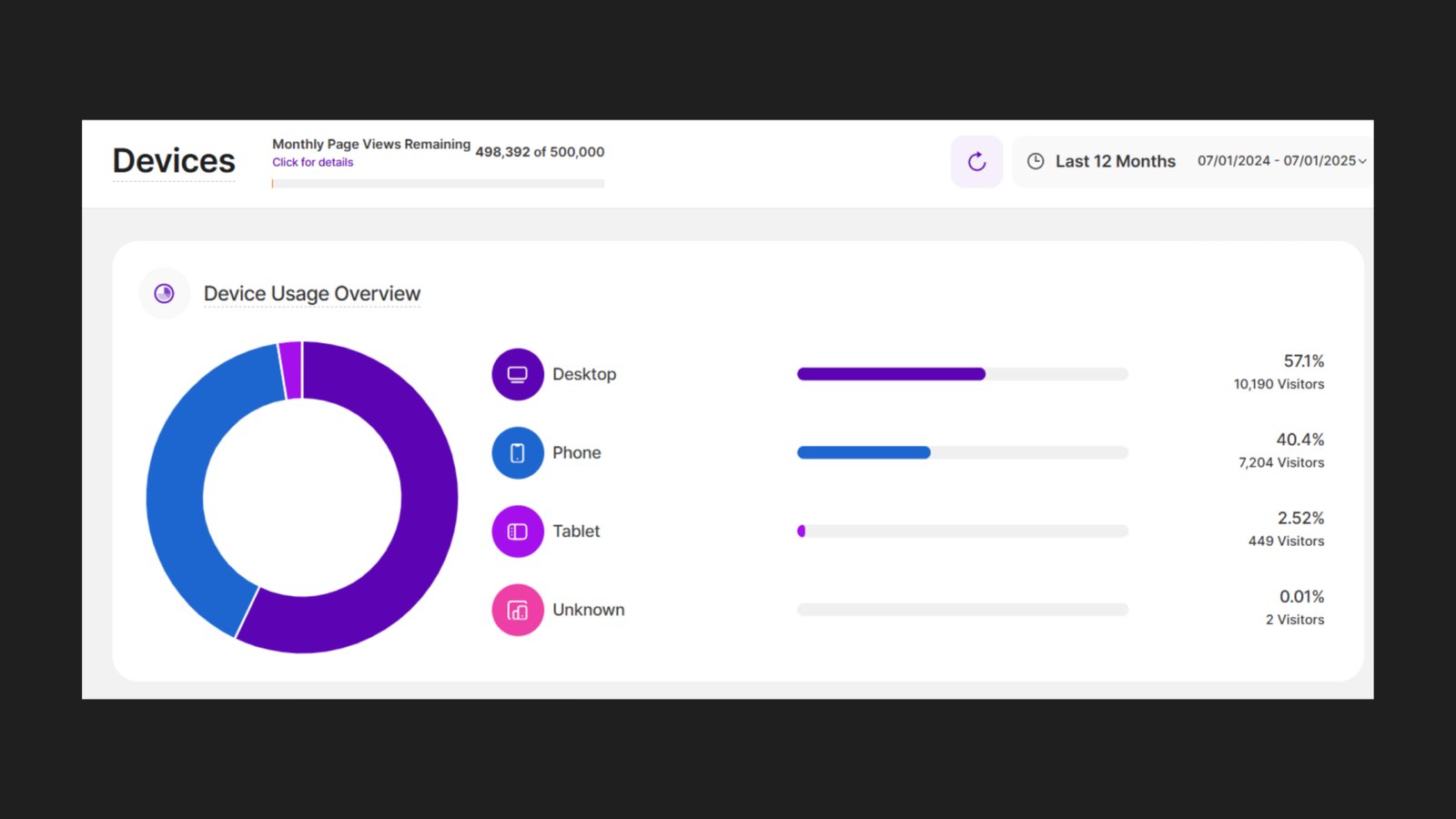
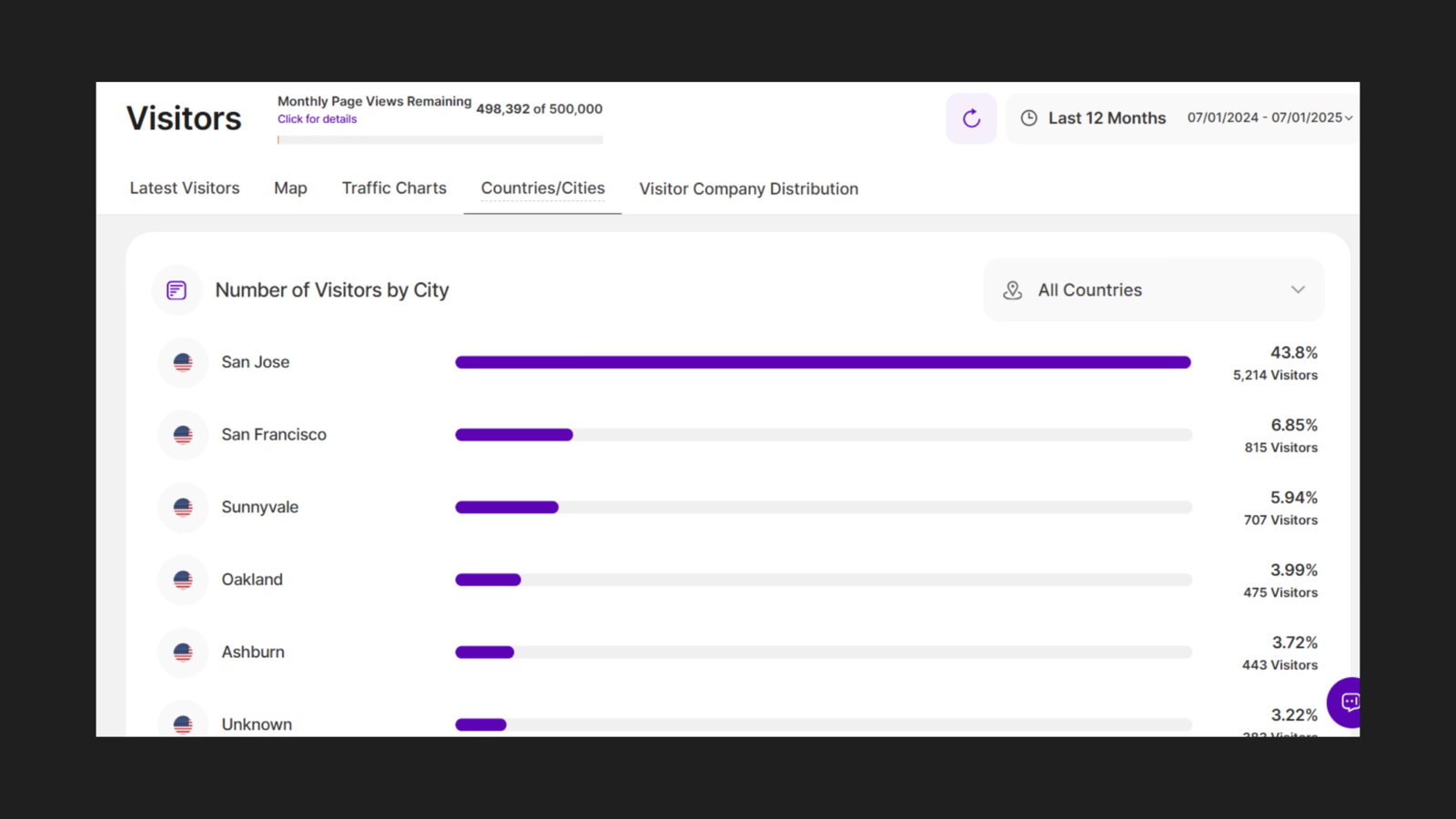
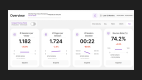
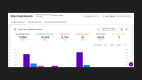
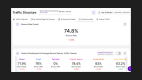
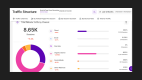
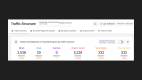
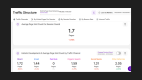
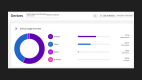
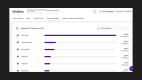
The TWIPLA analytics data for the 12 months from July 2024 to July 2025 showed:
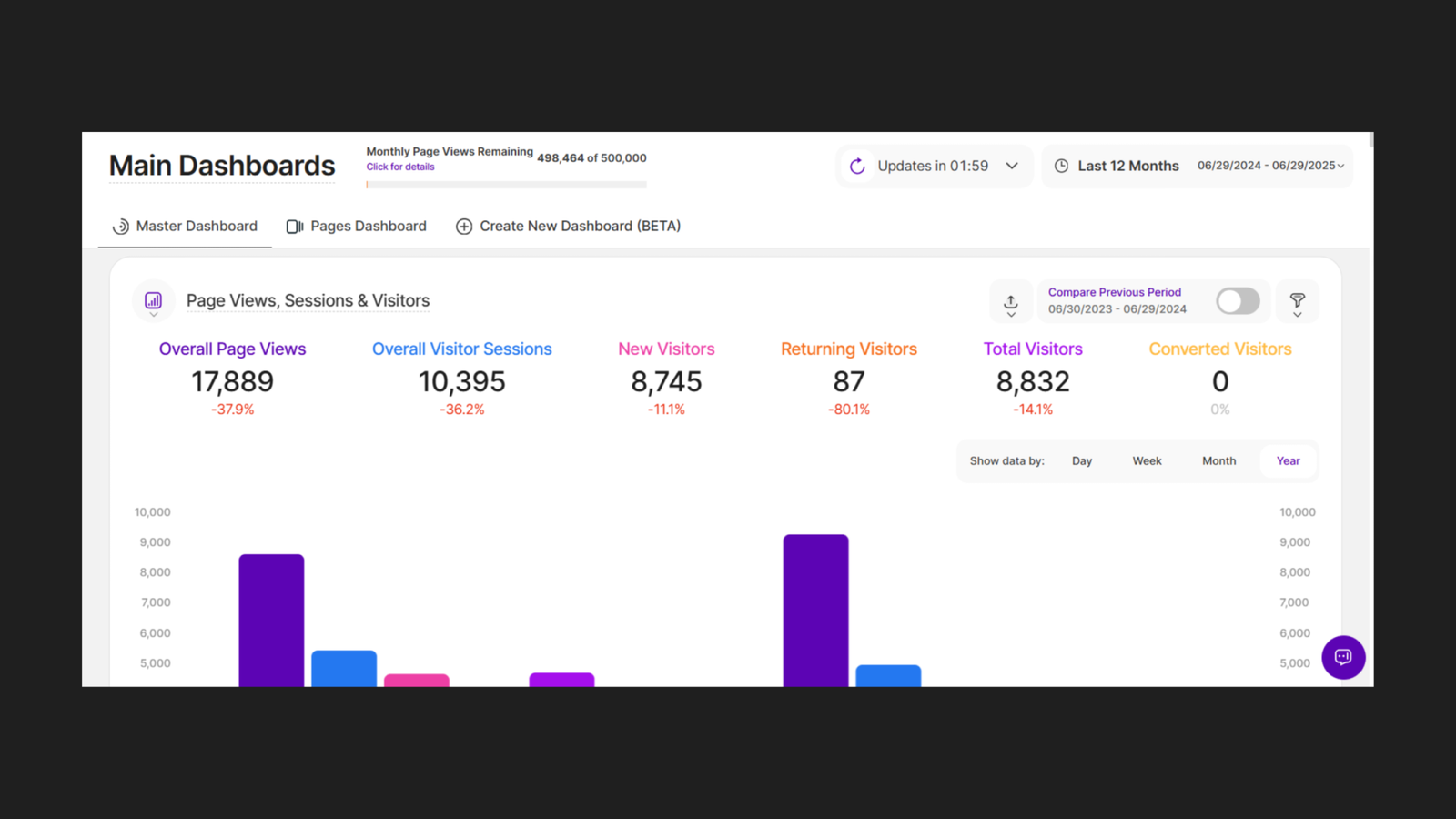
- SBN attracted 8,832 total visitors across 10,395 sessions and 17,889 page views over the 12-month period — with year-over-year declines across every major metric.
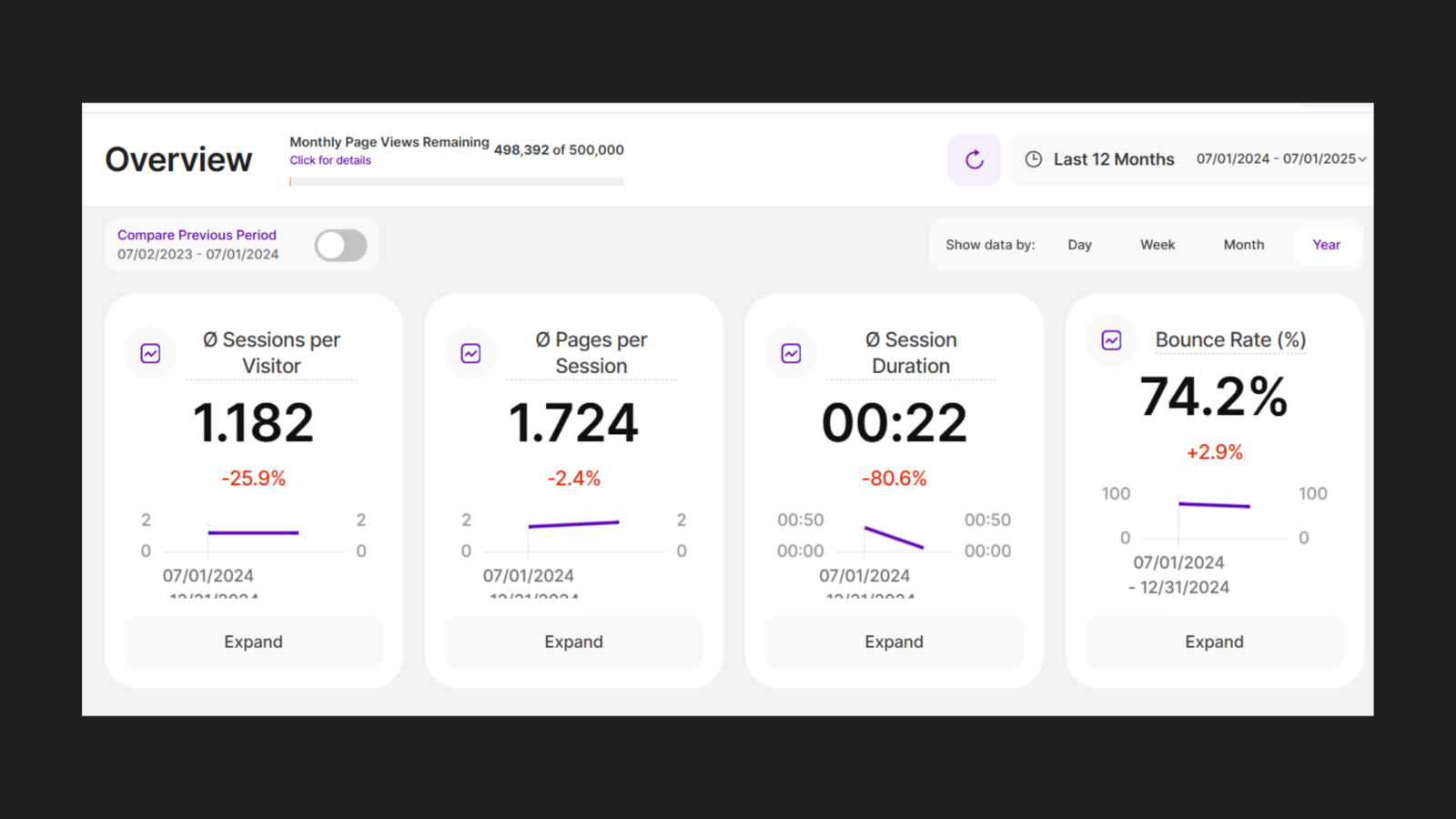
- The average session duration was 22 seconds (-80.6% year-over-year) — visitors were landing and leaving almost immediately, a clear signal that what they found on arrival did not match what they were looking for.
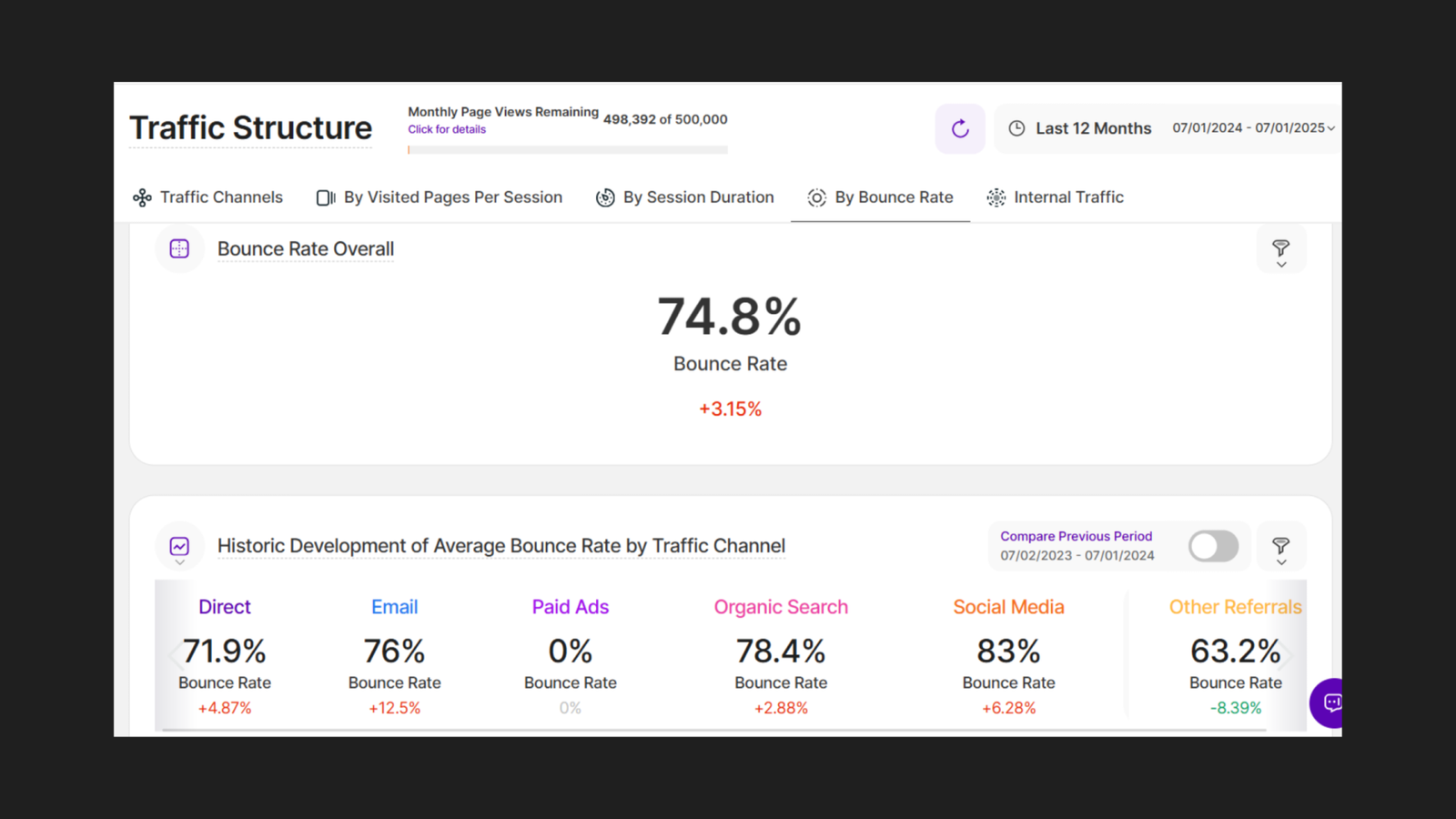
- The overall bounce rate was 74.2% (+2.9%), with organic search visitors bouncing at 78.4% — meaning nearly 4 out of every 5 visitors arriving from Google left without visiting a second page.
- Visitors viewed an average of 1.724 pages per session (-2.4%), confirming that those who did stay were barely exploring beyond the page they landed on.
- Only 87 visitors returned to the site over the entire 12-month period — a -80.1% collapse in returning visitors that pointed to a near-total failure to build any ongoing relationship with the audience.
- Conversion tracking had never been configured in TWIPLA, meaning 0 converted visitors were recorded across the entire period — not because no conversions occurred, but because there was no infrastructure in place to measure them.
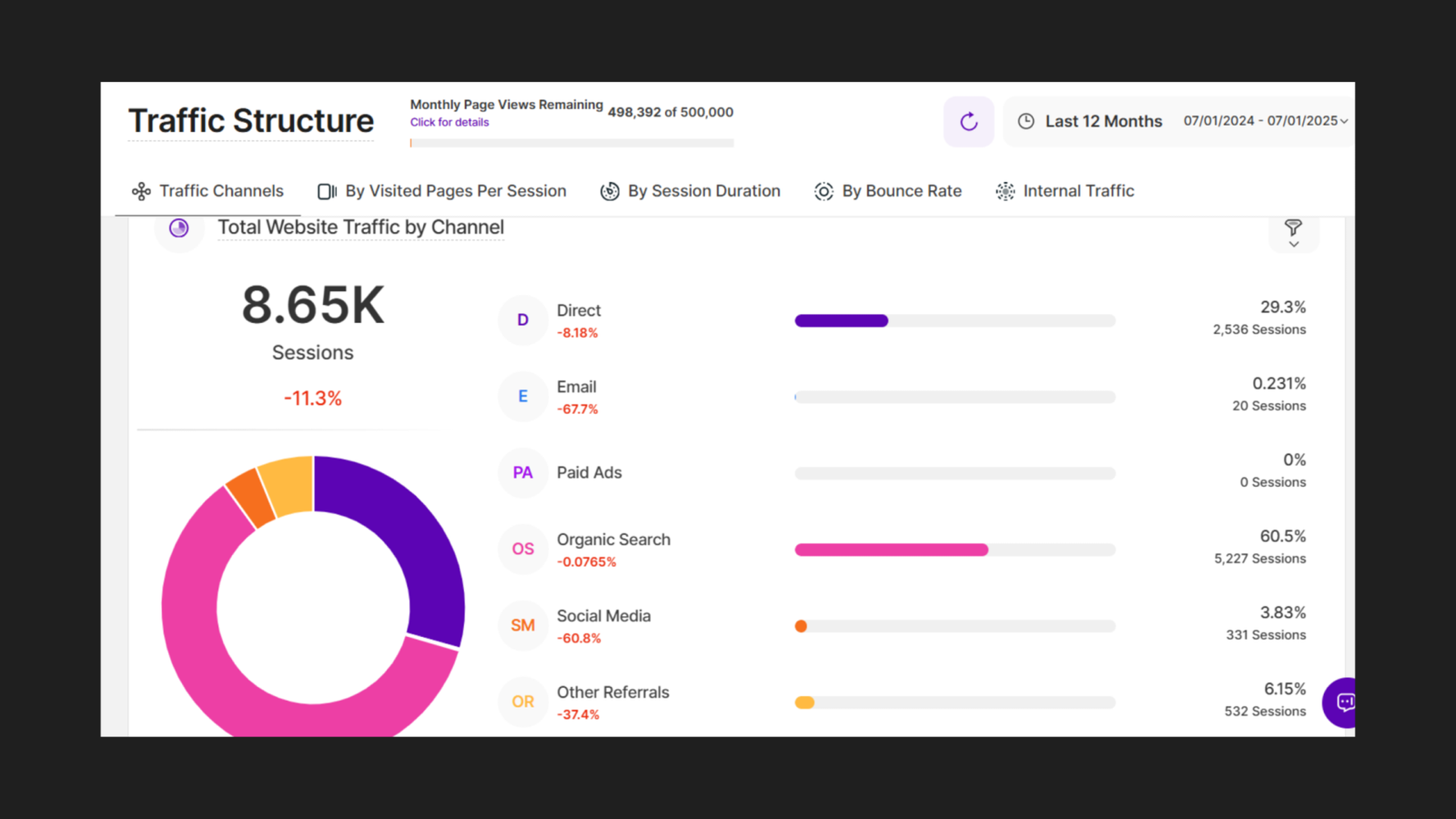
- Organic search was the only stable traffic channel at 60.5% of all sessions (-0.0765%). Every other channel was in significant decline: social media down 60.8%, email down 67.7%, direct traffic down 8.18%.
- 40.4% of all visitors arrived on mobile — yet the mobile experience was broken, with truncated navigation labels, unreadable program tiles, and no enrollment pathways on any device.
- The only two pages showing year-over-year session growth were Seniors Hike for Health (+2.65%) and Community Nature Hikes (+160%). The homepage — the first page most visitors saw — was down 30.3%, and Shady Hikes had collapsed 42.3%.
- 56.2% of traffic came from Bay Area cities where SBN operates, confirming strong local geographic targeting — but with a 74.2% bounce rate, that locally relevant audience was arriving and leaving without taking any action.
The Response
The audit produced a clear brief. Every finding pointed to the same underlying problem: a website that existed to connect communities to SBN’s programs had been built without the infrastructure to make that connection. The rebuild addressed each gap directly — starting with the structure, then the content, then the visibility.
Web Design, UX & Mobile Optimization
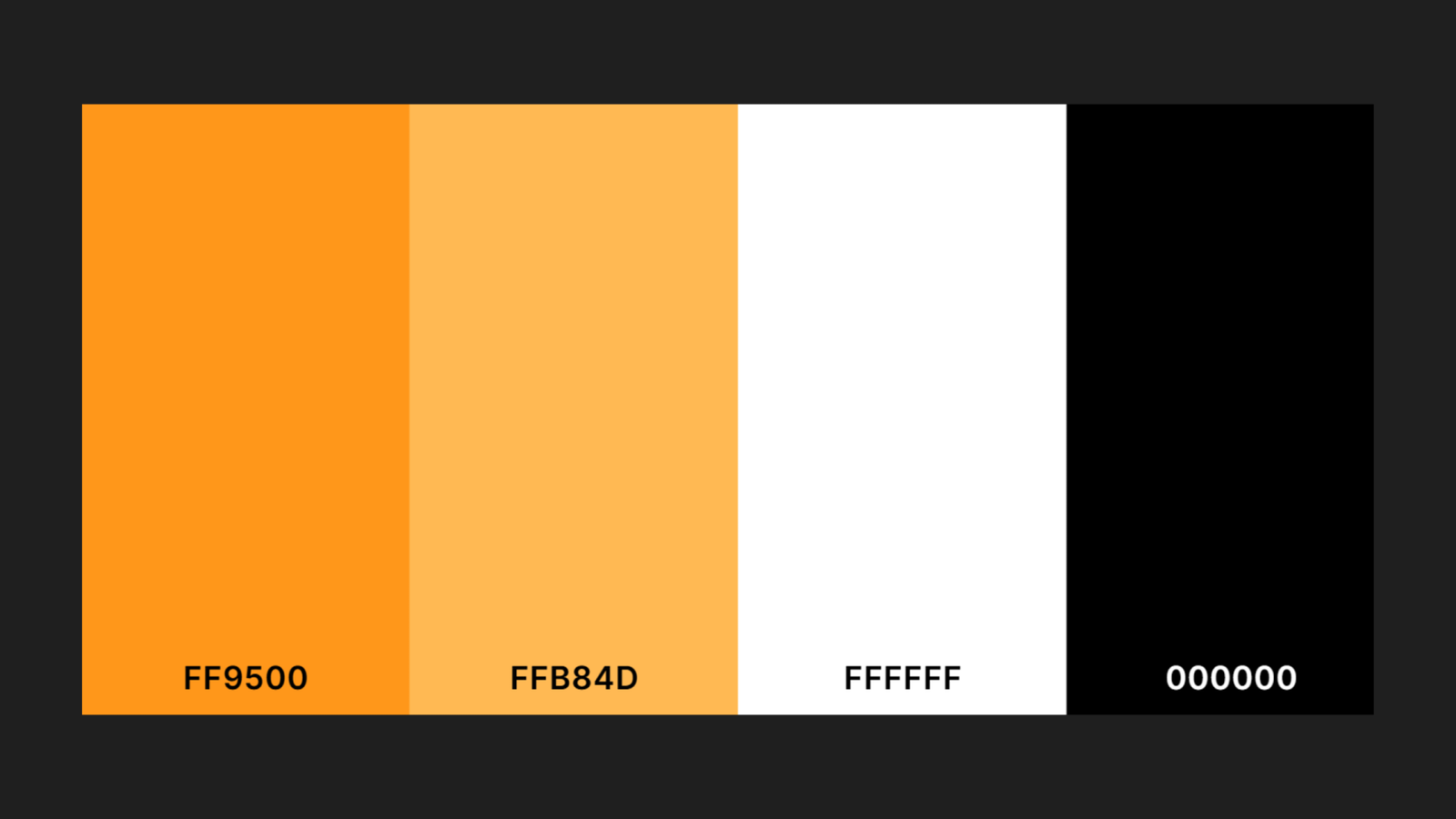
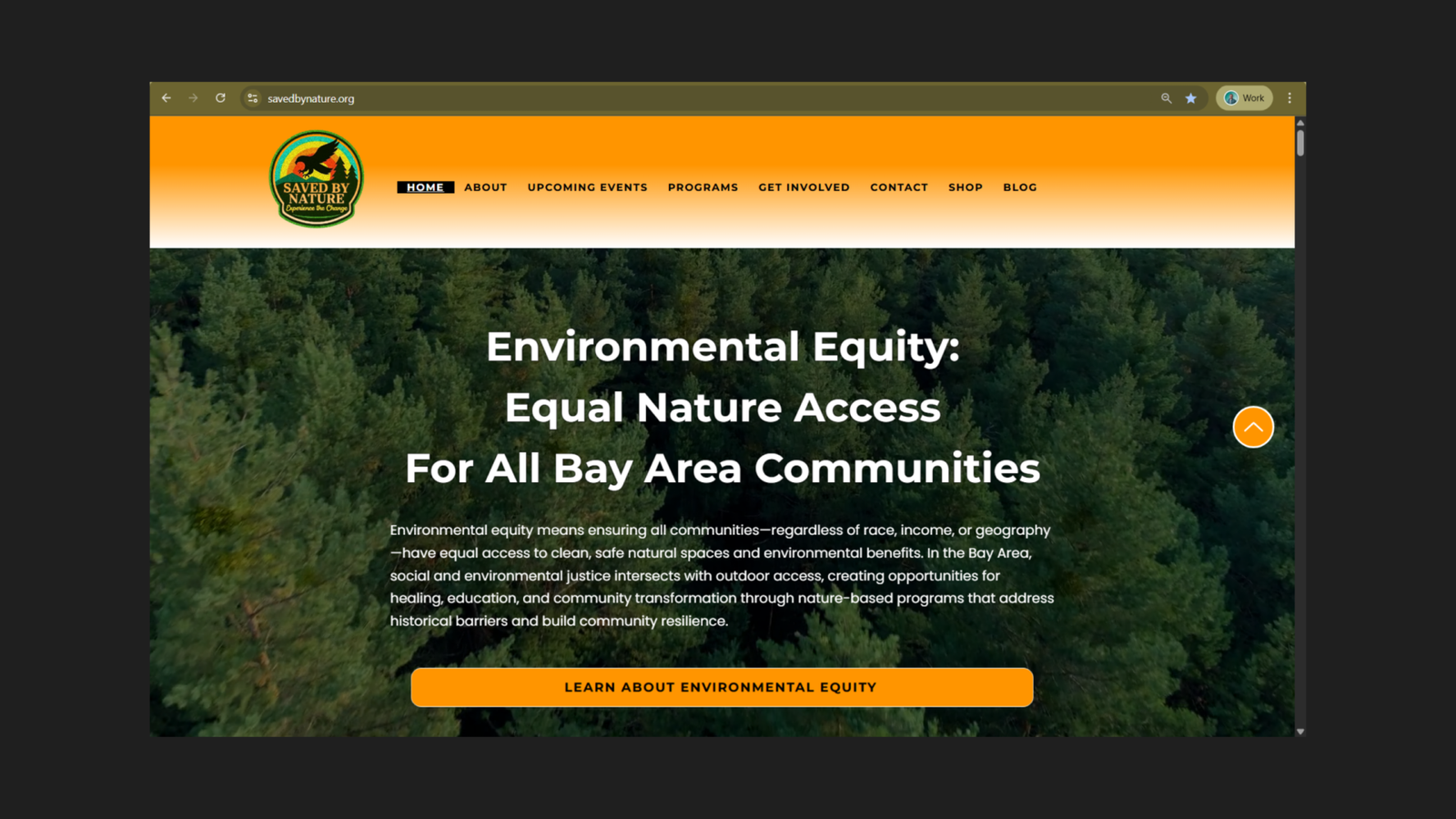
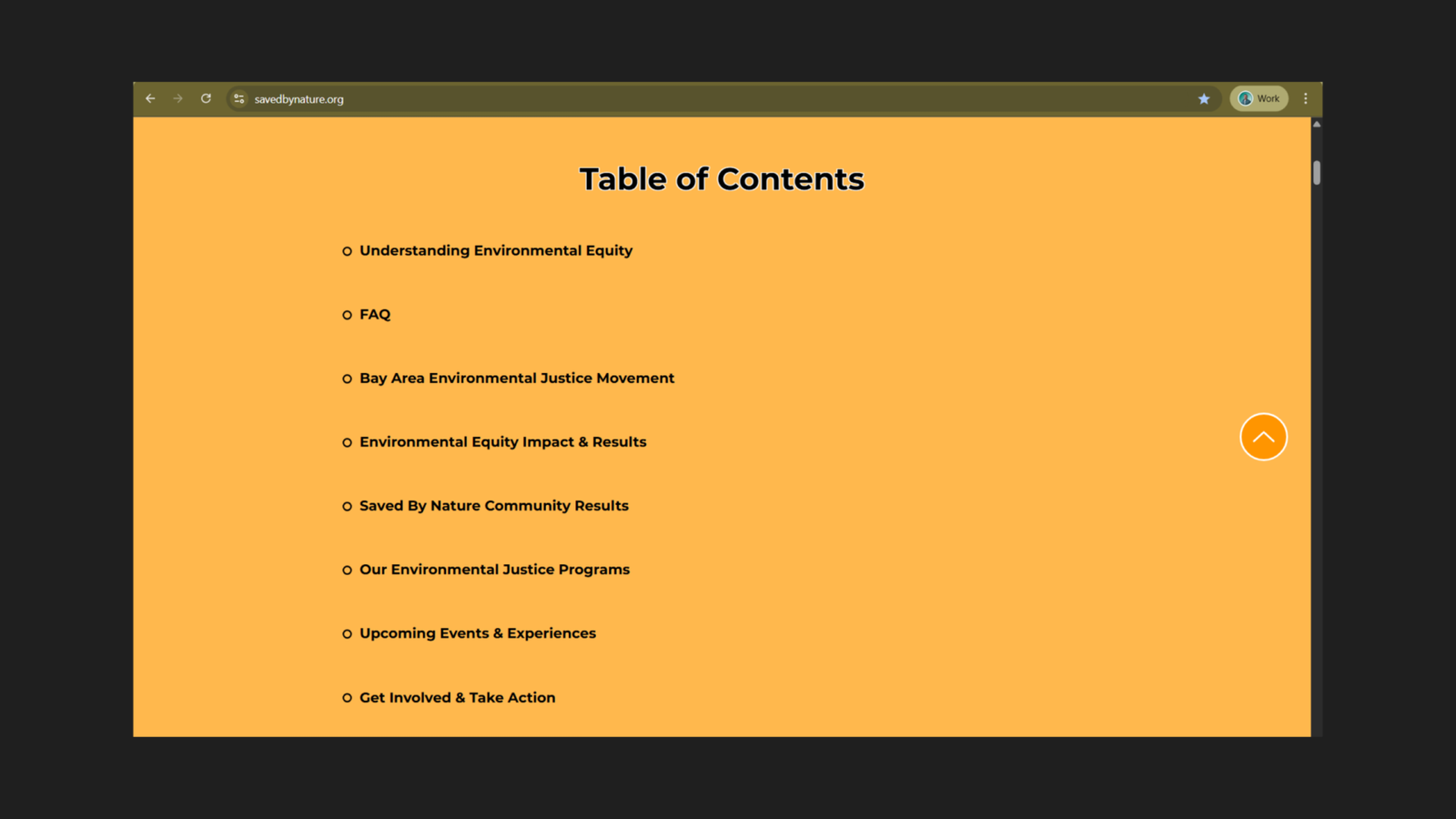
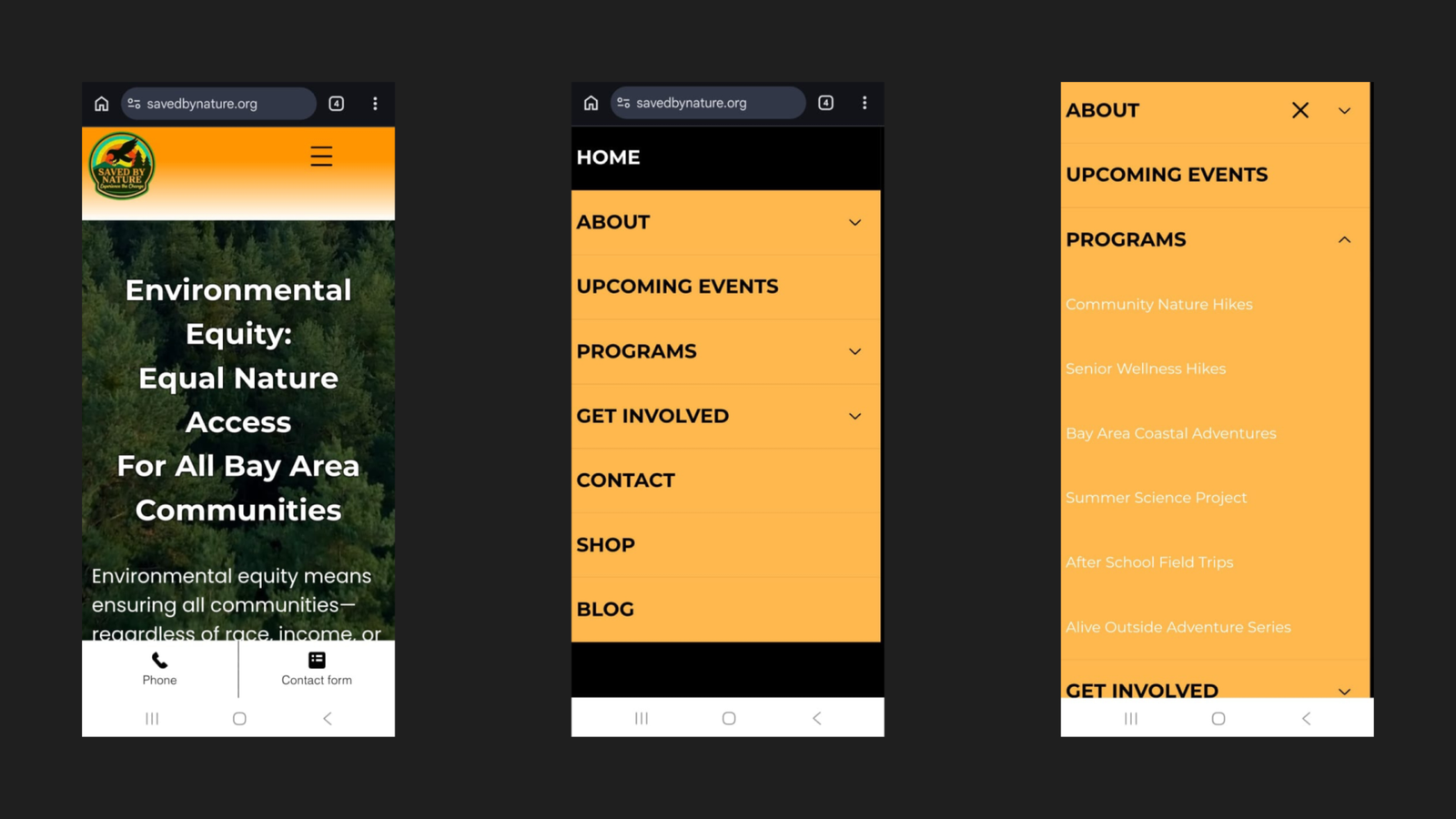
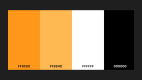
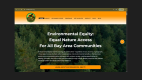
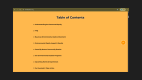
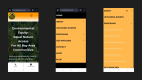
The site was rebuilt from the ground up with a consistent colour palette implemented across every page and all marketing materials — establishing a visual identity SBN had previously lacked. Back-to-Top buttons and jump-link Tables of Contents were added to every main page, improving both navigation and SEO. The mobile experience received a complete overhaul: the hamburger menu, which had been cutting off labels mid-word and burying program information three to four clicks deep, was rebuilt from scratch. Every label is now fully visible, every program page accessible in fewer clicks, and all content is fully responsive across devices.
Keyword Research, Content Creation & On-Page SEO
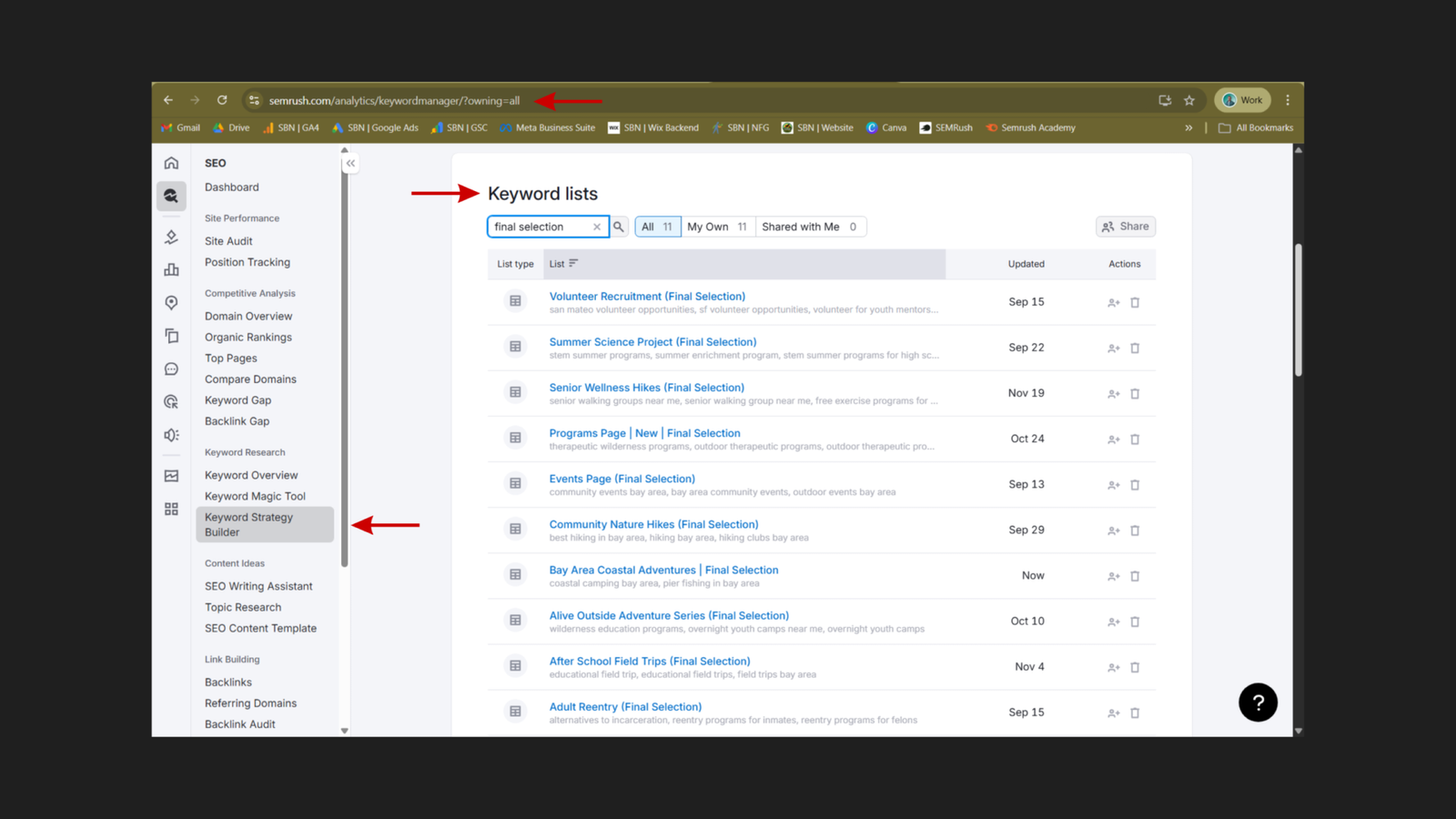
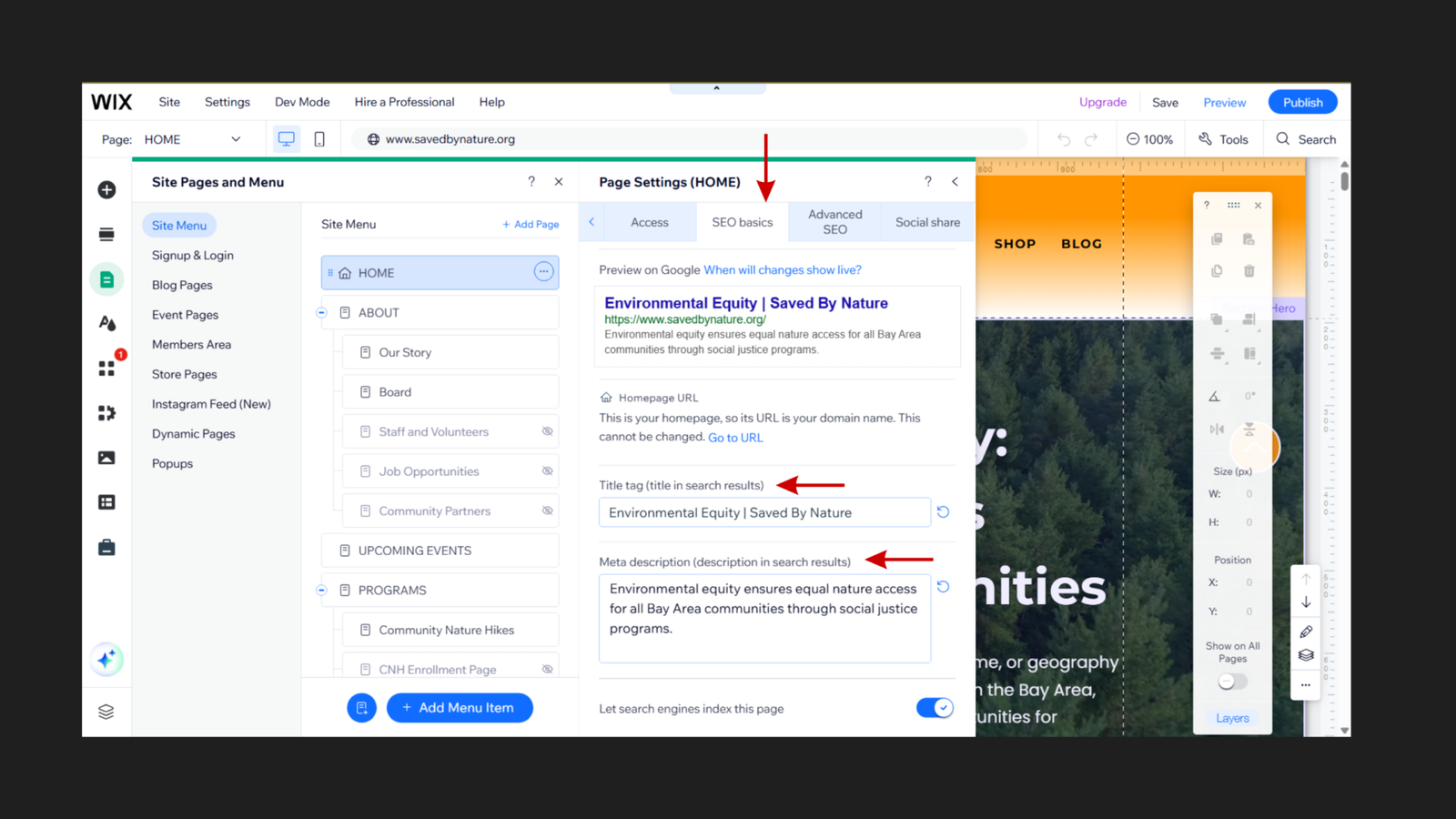
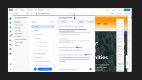
Before writing a single word of site content, I mapped keyword clusters to every main page using SEMrush — following a structured methodology to ensure maximum keyword reach with minimum cannibalization across pages. The mapping covered eleven URLs: the homepage, About, Upcoming Events, the Programs hub, six individual program pages, and the Volunteer page.
The content for each page was then created from scratch around its cluster, built to serve users and search engines simultaneously — and optimised for GEO (Generative Engine Optimisation) to ensure SBN’s content surfaces across AI-generated overviews as well as traditional search.
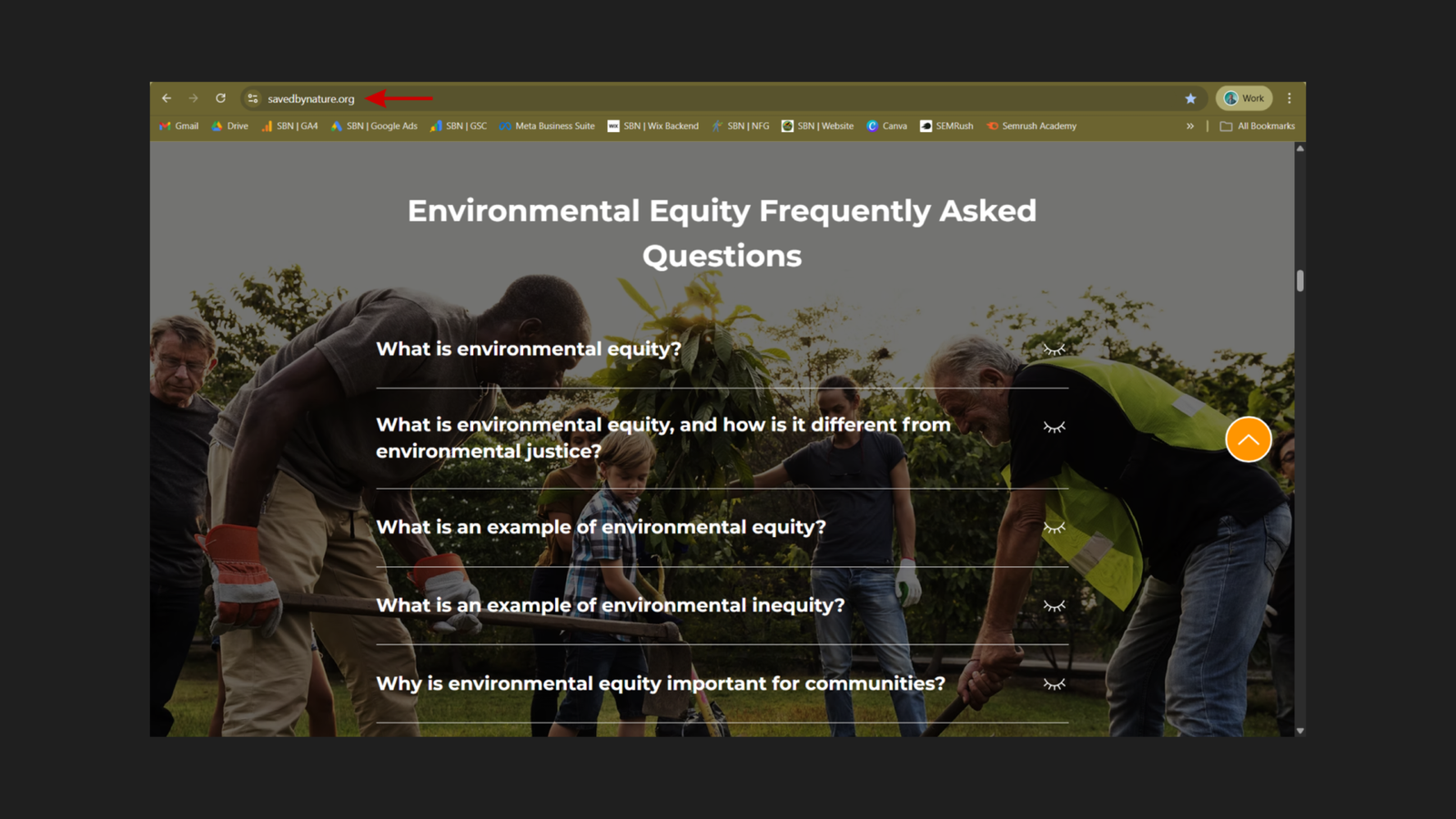
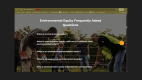
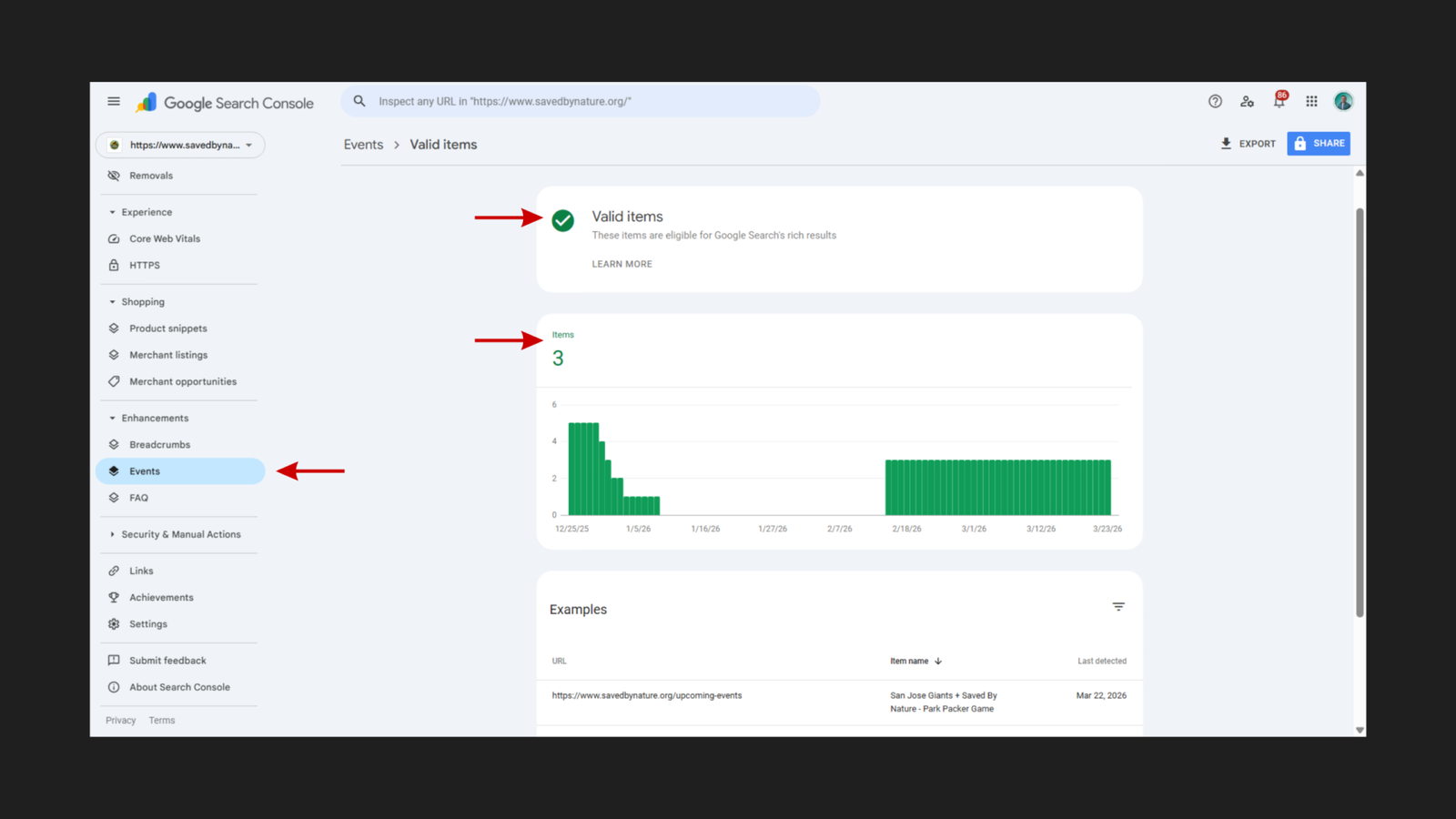
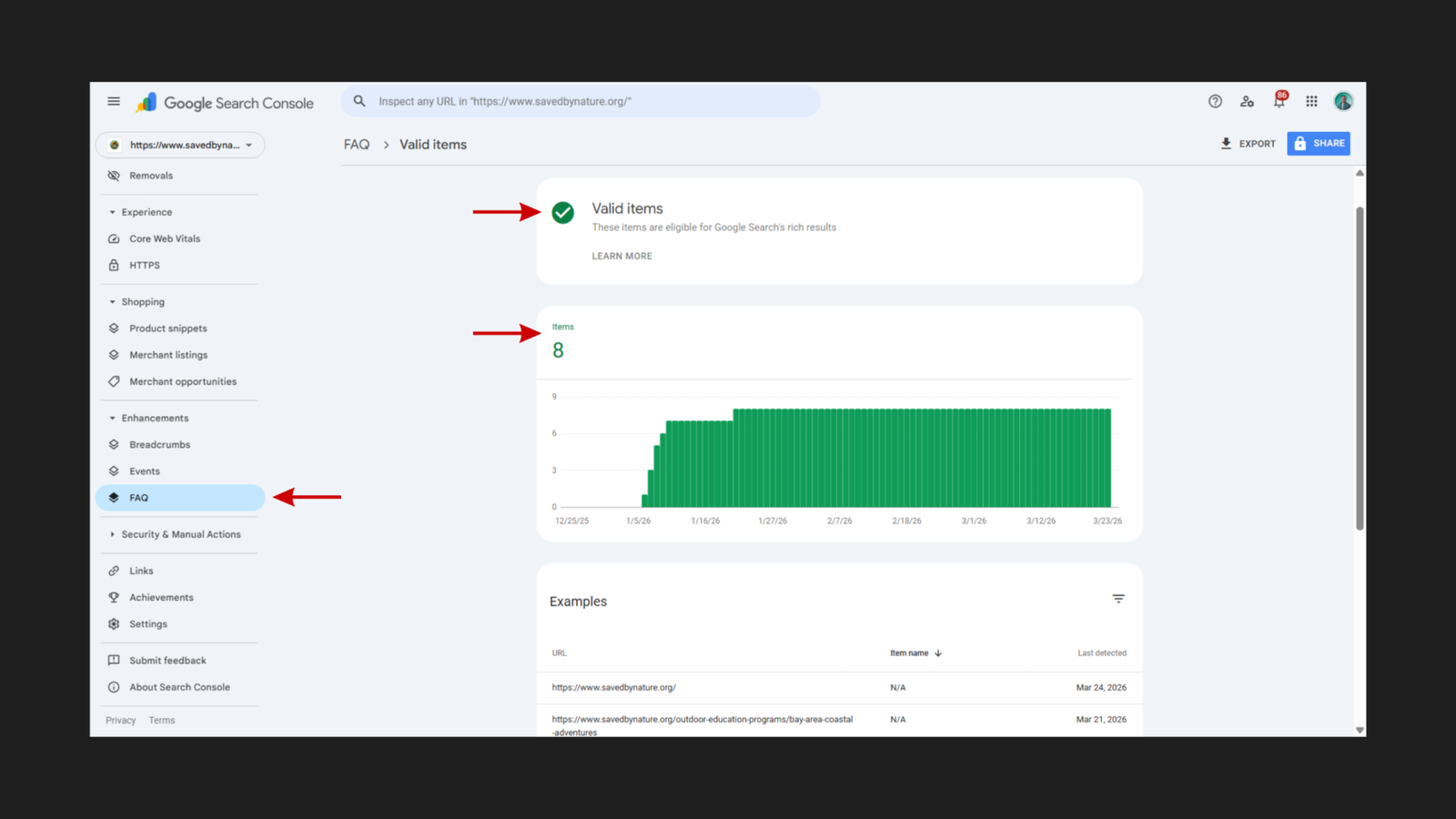
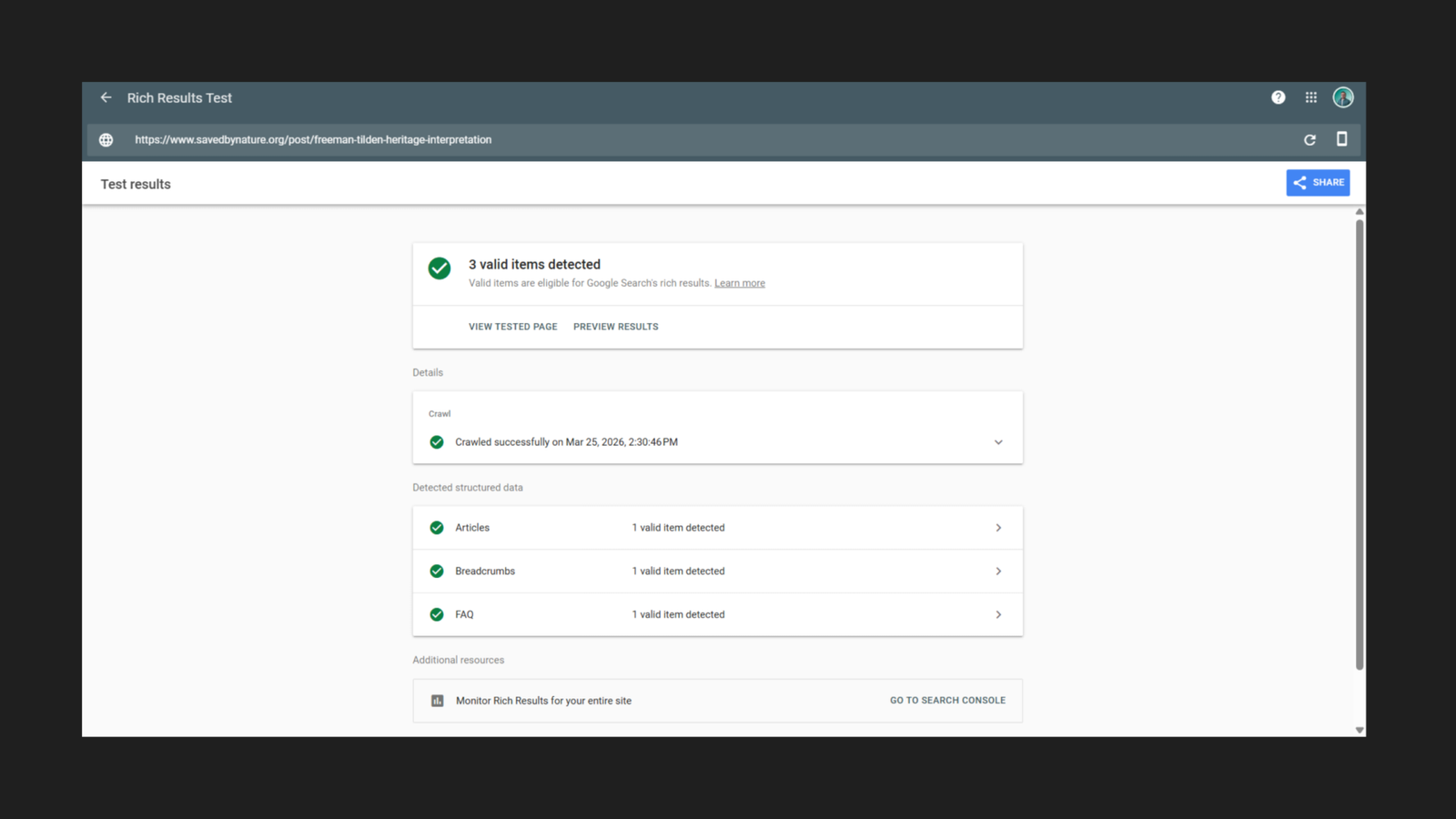
FAQ sections were added to every main page, making them eligible for Google Rich Results.
The keyword mapping spreadsheet is kept private to protect SBN’s target keyword strategy. Hiring managers are welcome to request access via the button below.
Technical SEO
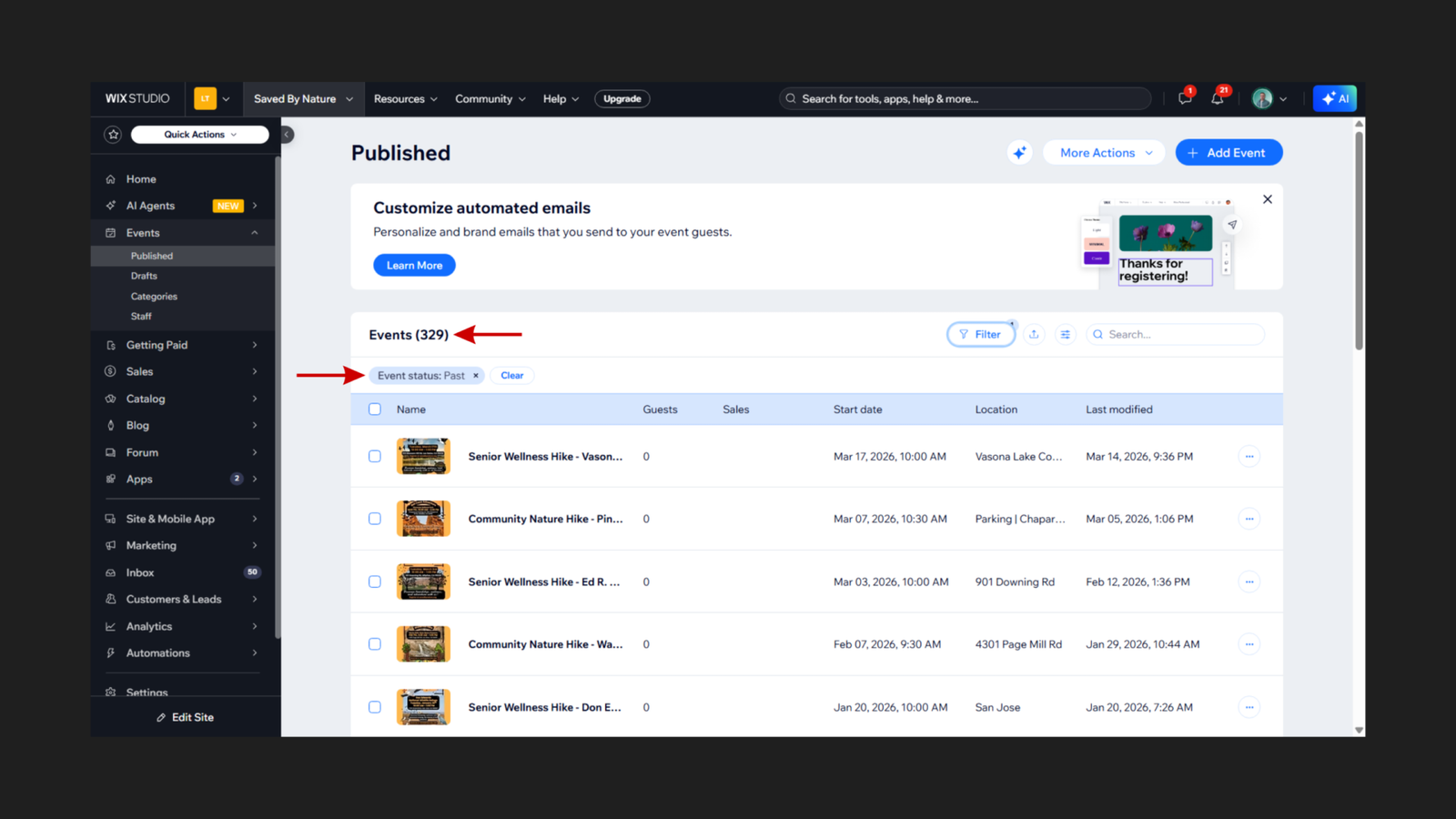
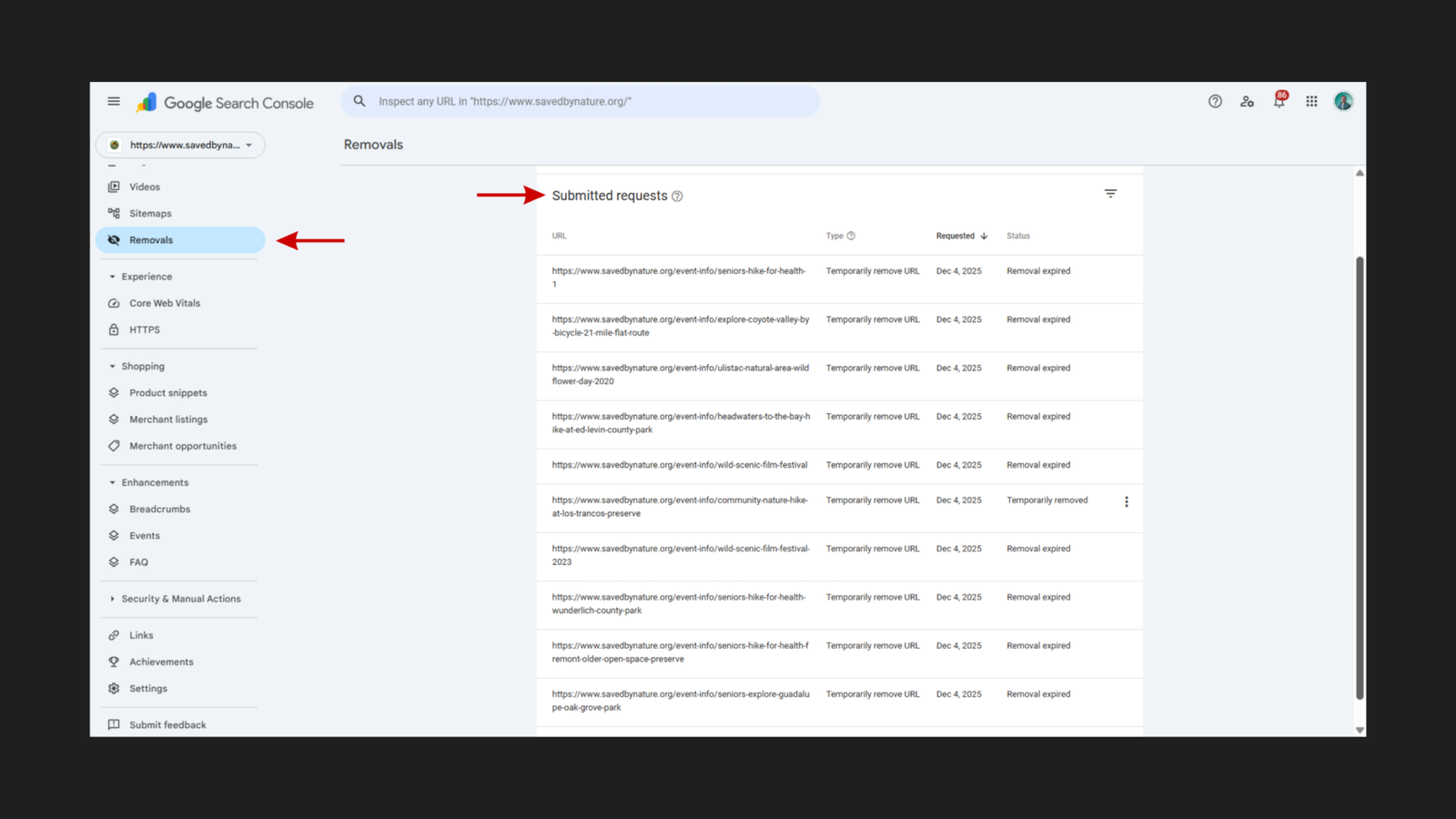
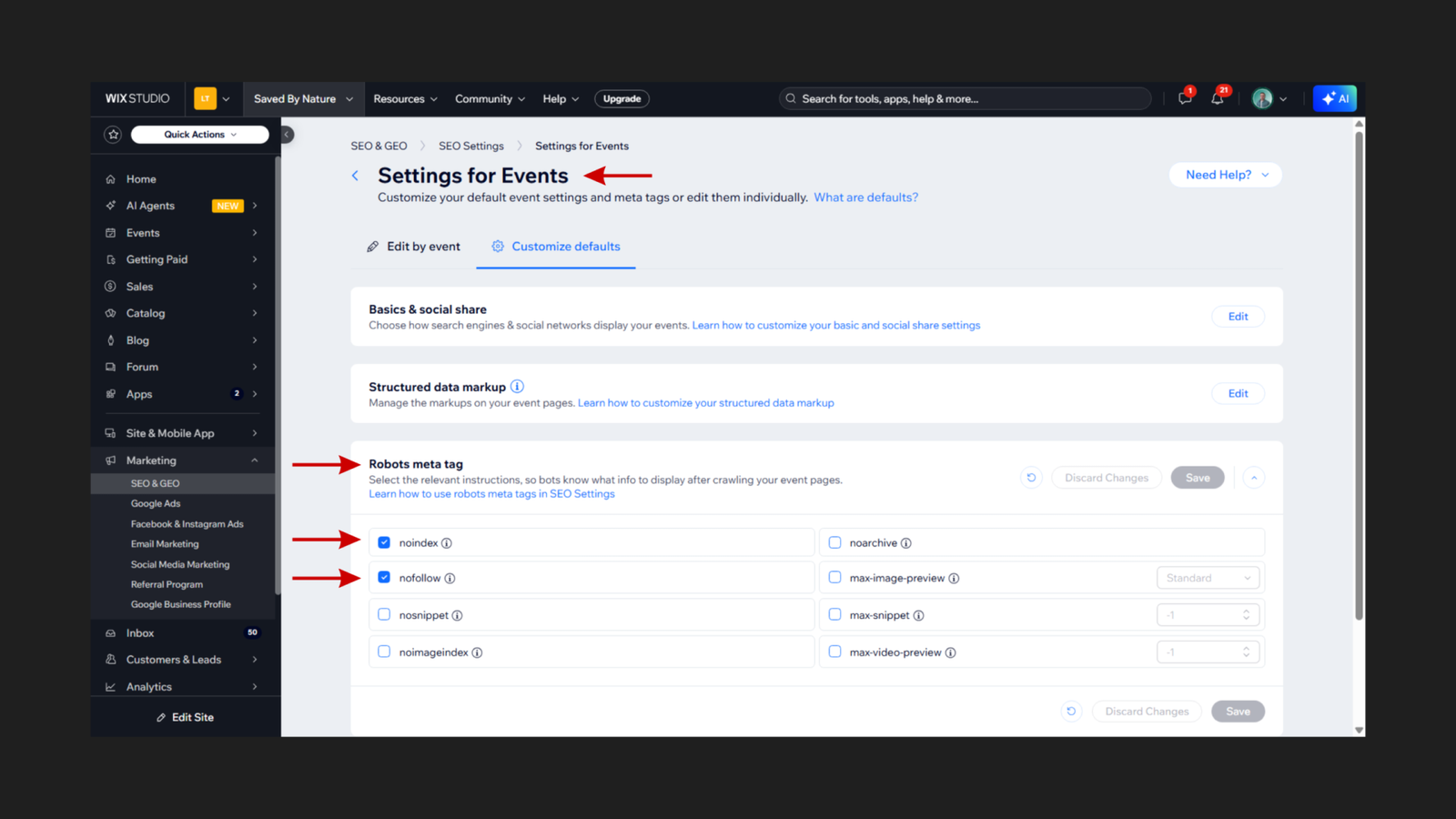
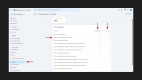
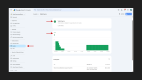
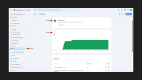
The most significant technical discovery was invisible from the front end: over 300 pages were sitting in Google’s index, generated automatically by the Wix Events widget over years of operation.
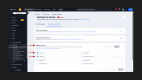
Every outdated event page was de-indexed via Google Search Console, had nofollow/noindex tags applied before deletion, and the widget was configured to apply those same tags to all new event pages by default.
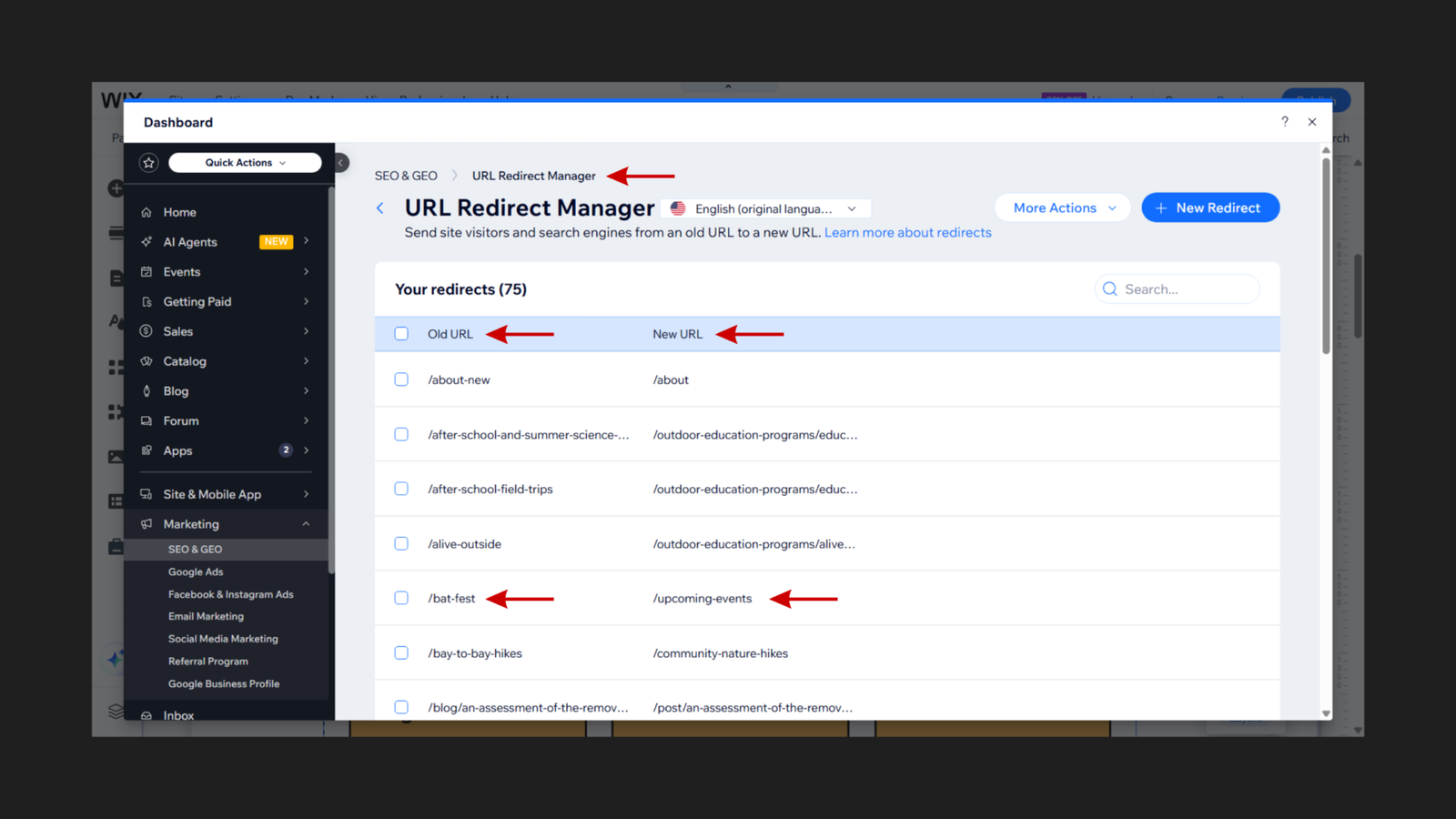
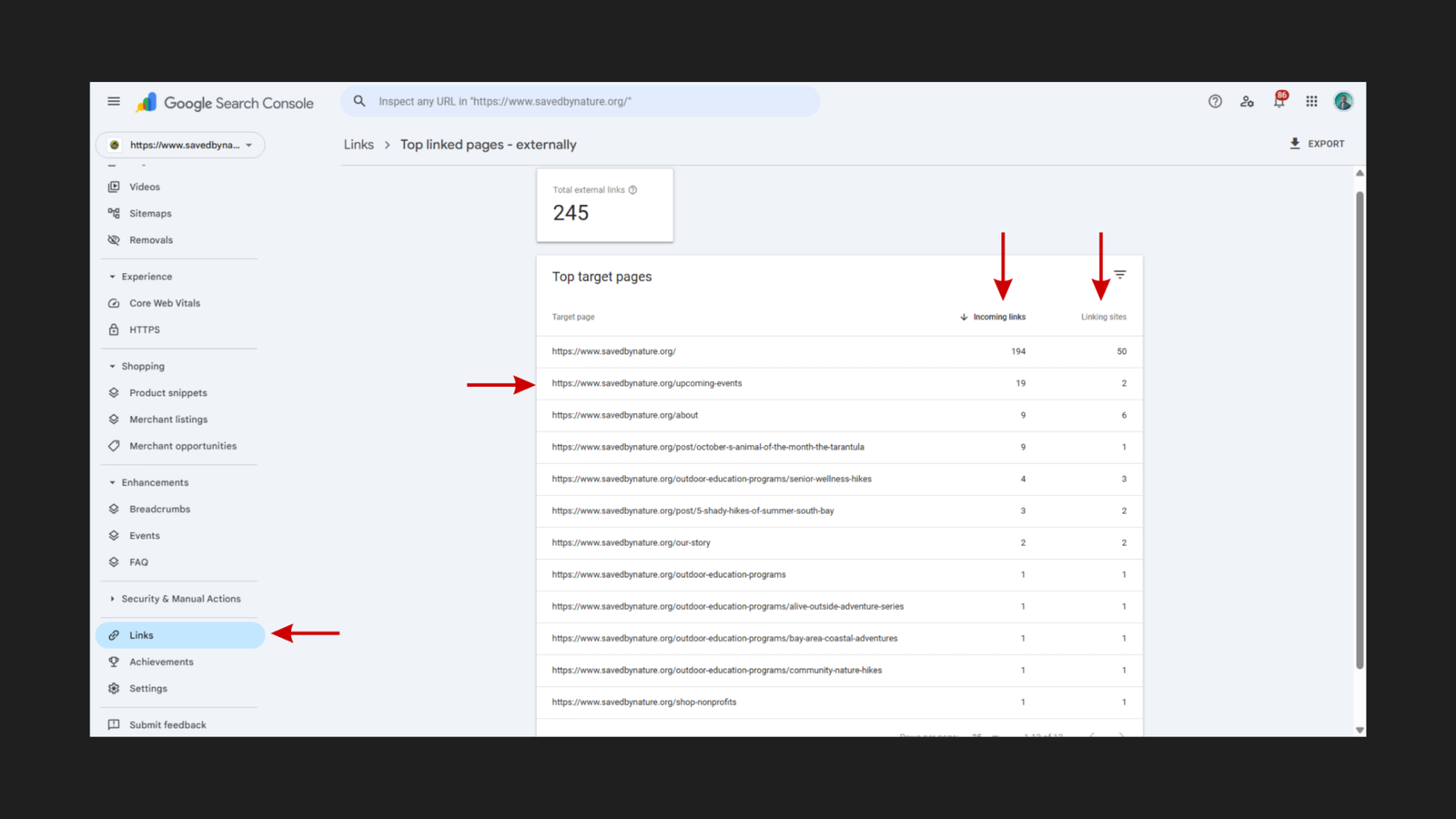
301 redirects were set up for any outdated pages that had accumulated link authority, pointing to new relevant destinations. The /bat-fest page, for example, carried 19 external incoming links — those were preserved by redirecting to the new /upcoming-events page before the old URL was removed.
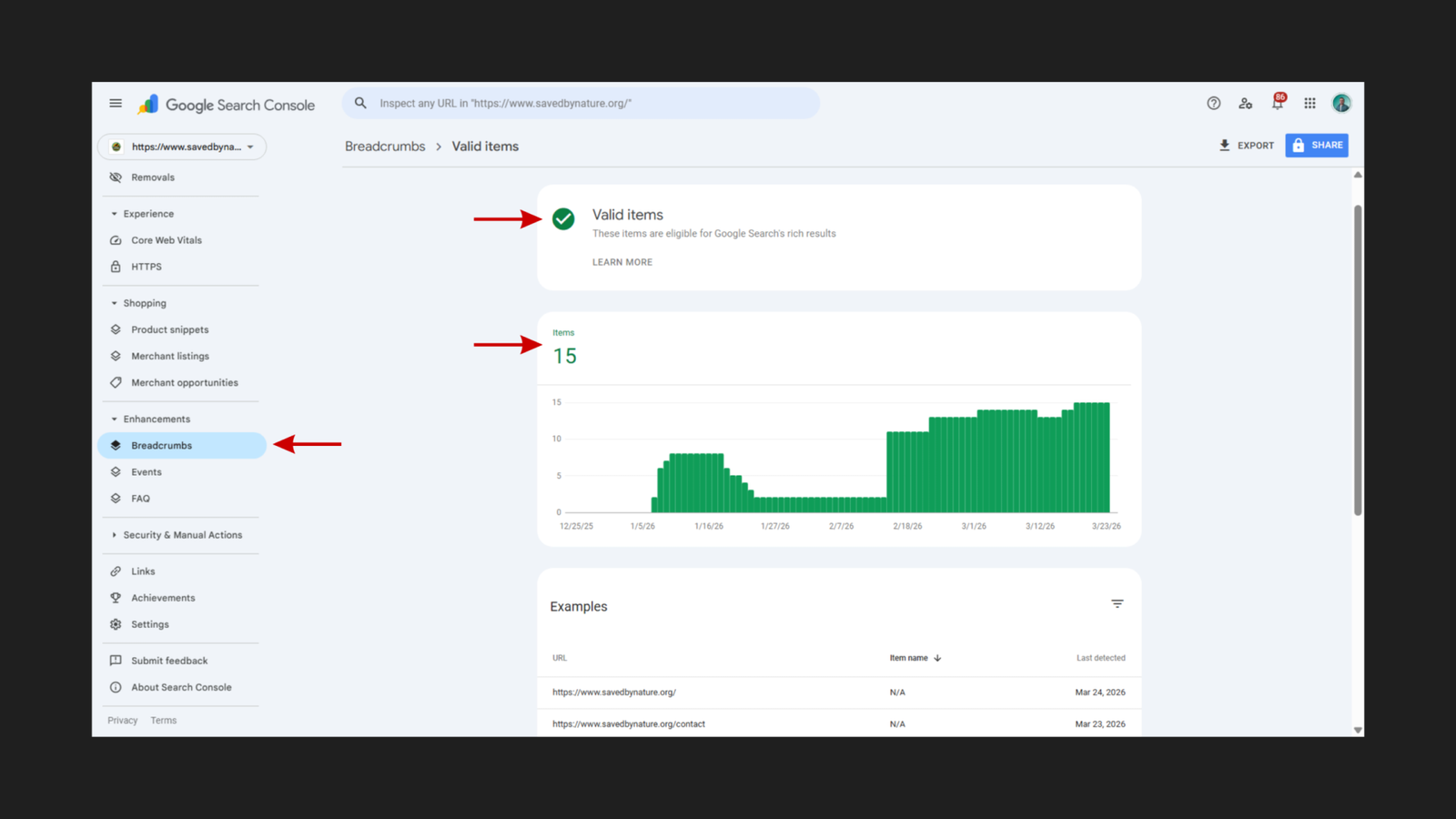
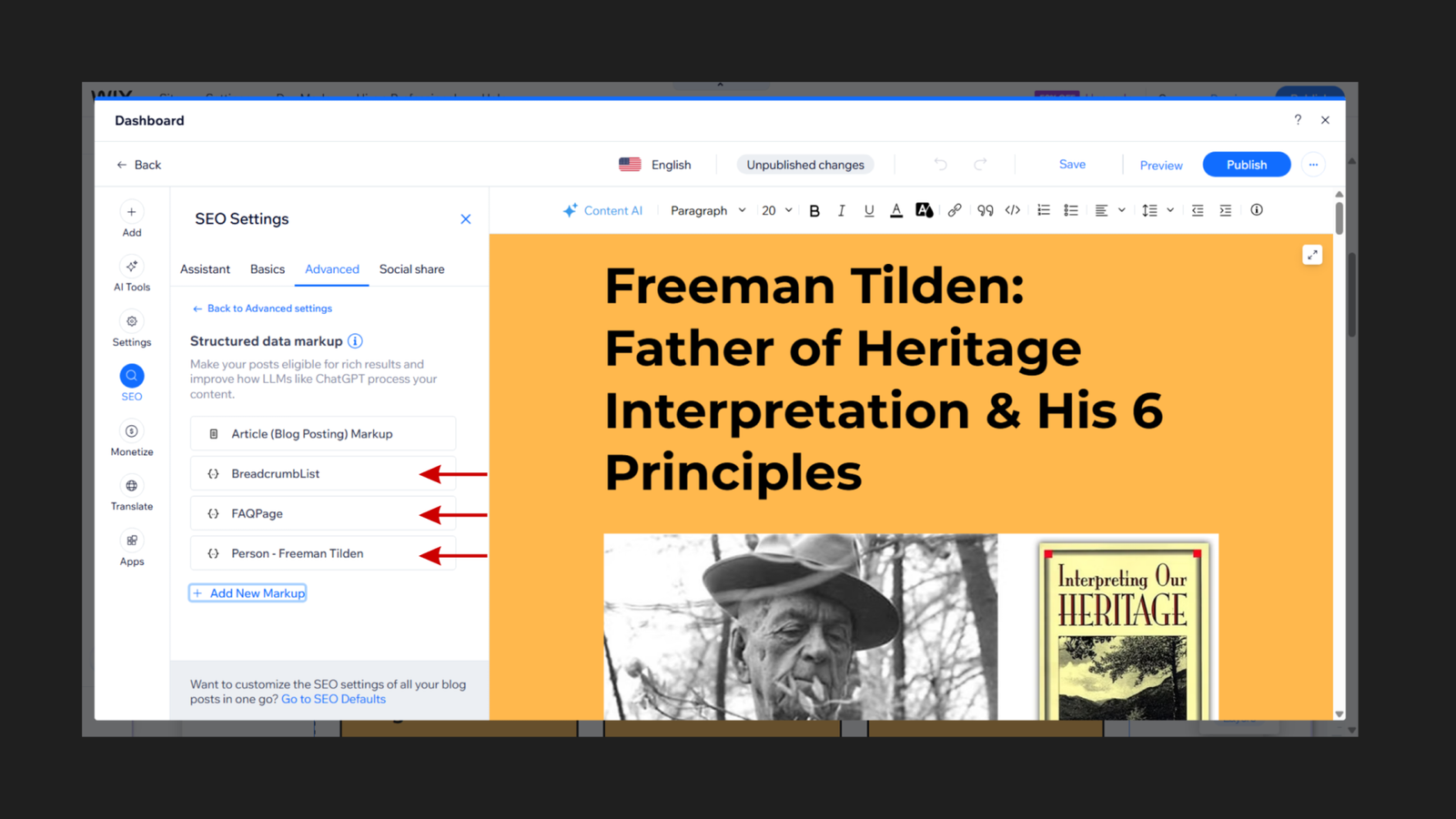
Breadcrumbs schema was implemented across the entire site, FAQ schema on all main pages containing FAQ sections, and additional schema types applied where relevant — including event schema on the Upcoming Events page, which is updated each month as new events are published.
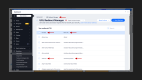
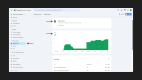
Sitemaps were submitted to both Google Search Console and Bing Webmaster Tools after every major structural update, with new pages submitted for manual indexing each cycle.
New Pages & Conversion Pathways
The audit had confirmed that no visitor to the site could take a meaningful action. That was addressed before anything else.
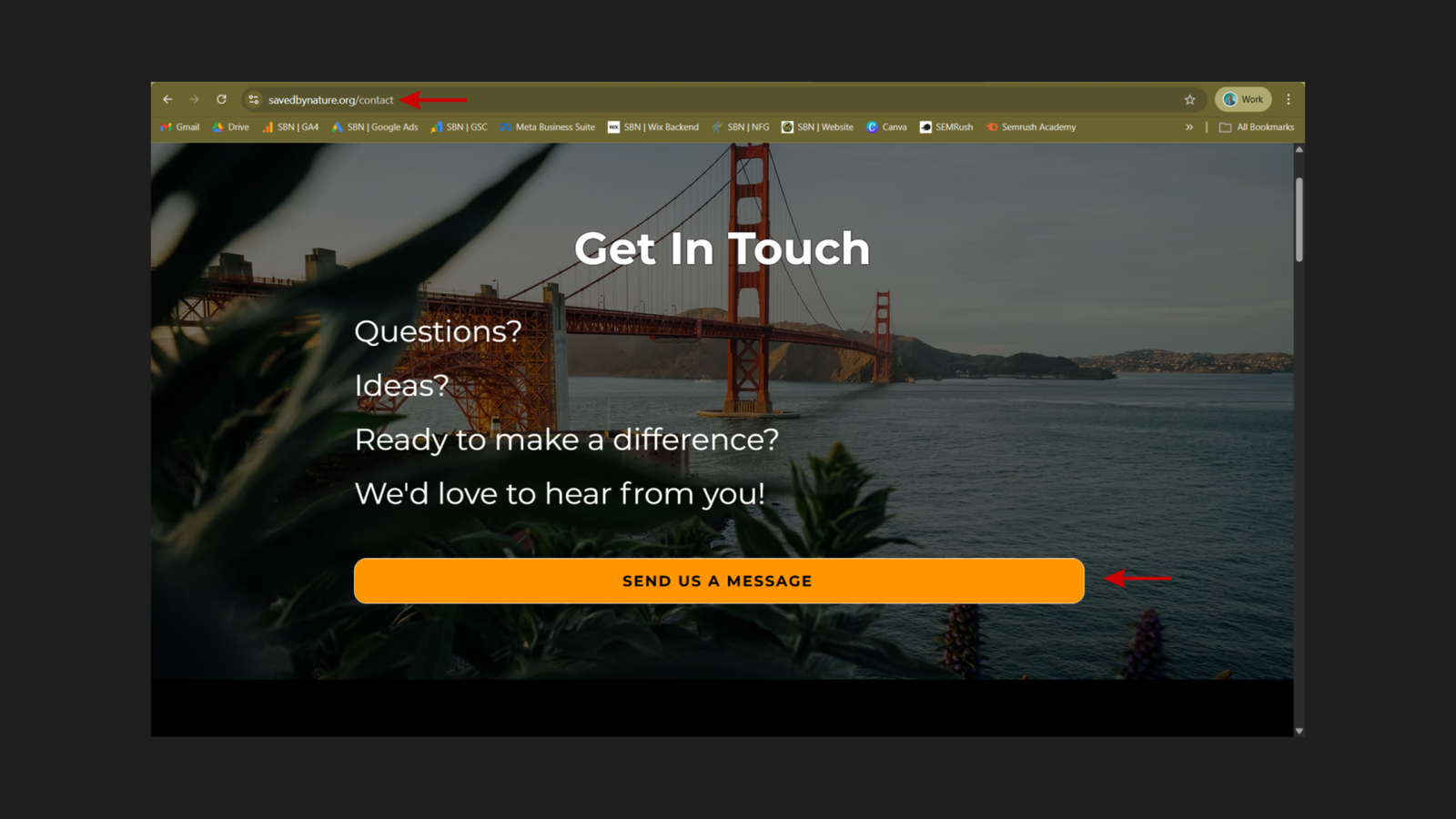
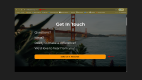
A contact page — the organisation’s first — was built and launched September 1, 2025.
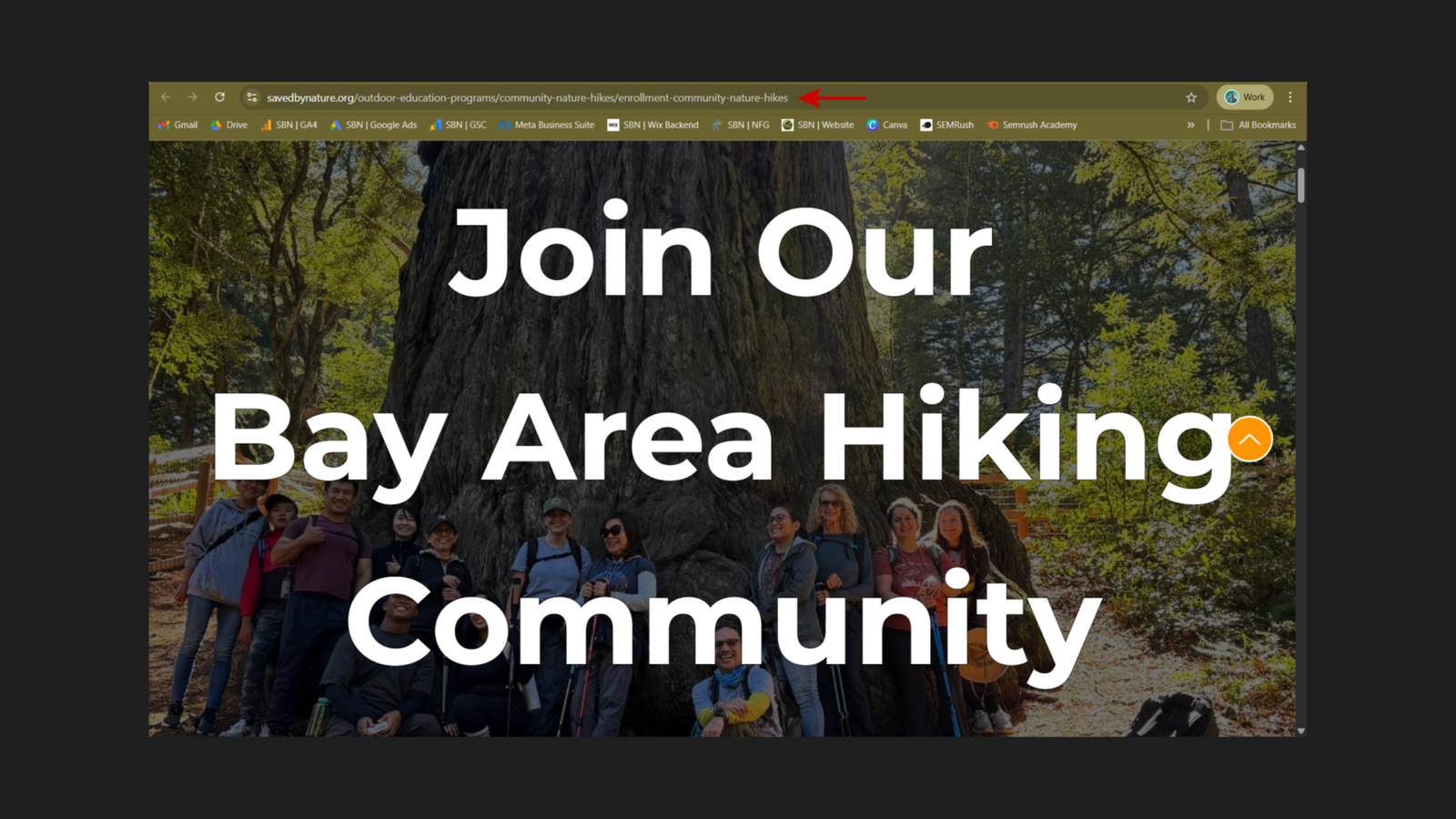
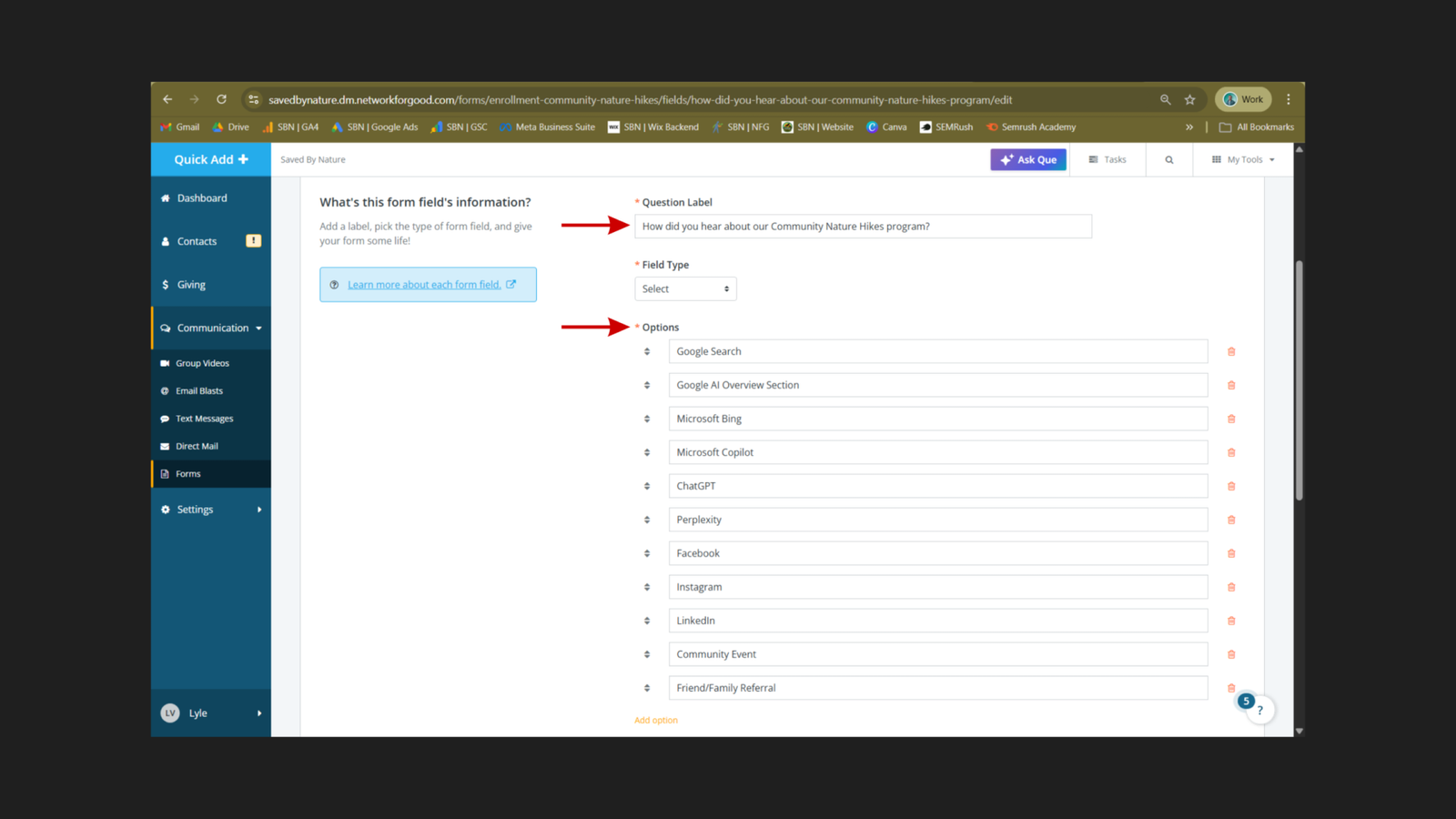
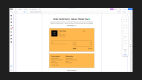
Enrollment pathways were built for each of SBN’s community programs for the first time, each with an acquisition tracking dropdown to capture how participants found the program.
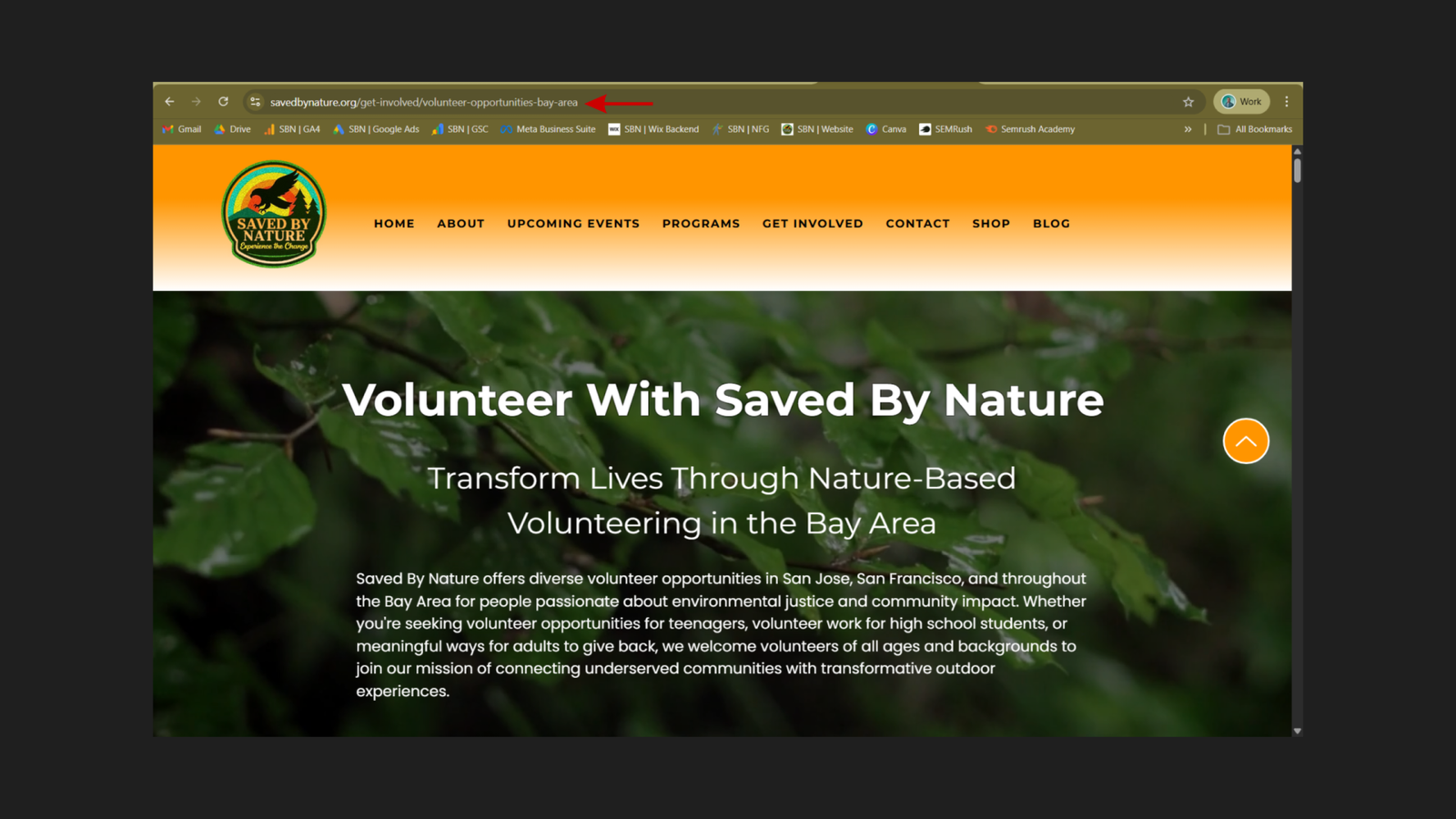
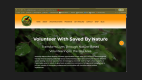
A volunteer page with a dedicated application pathway launched January 21, 2026, also with acquisition source tracking.
A consolidated Get Involved page and a dedicated Events page with RSVP pathways completed the conversion infrastructure.
Google Business Profile & Local SEO
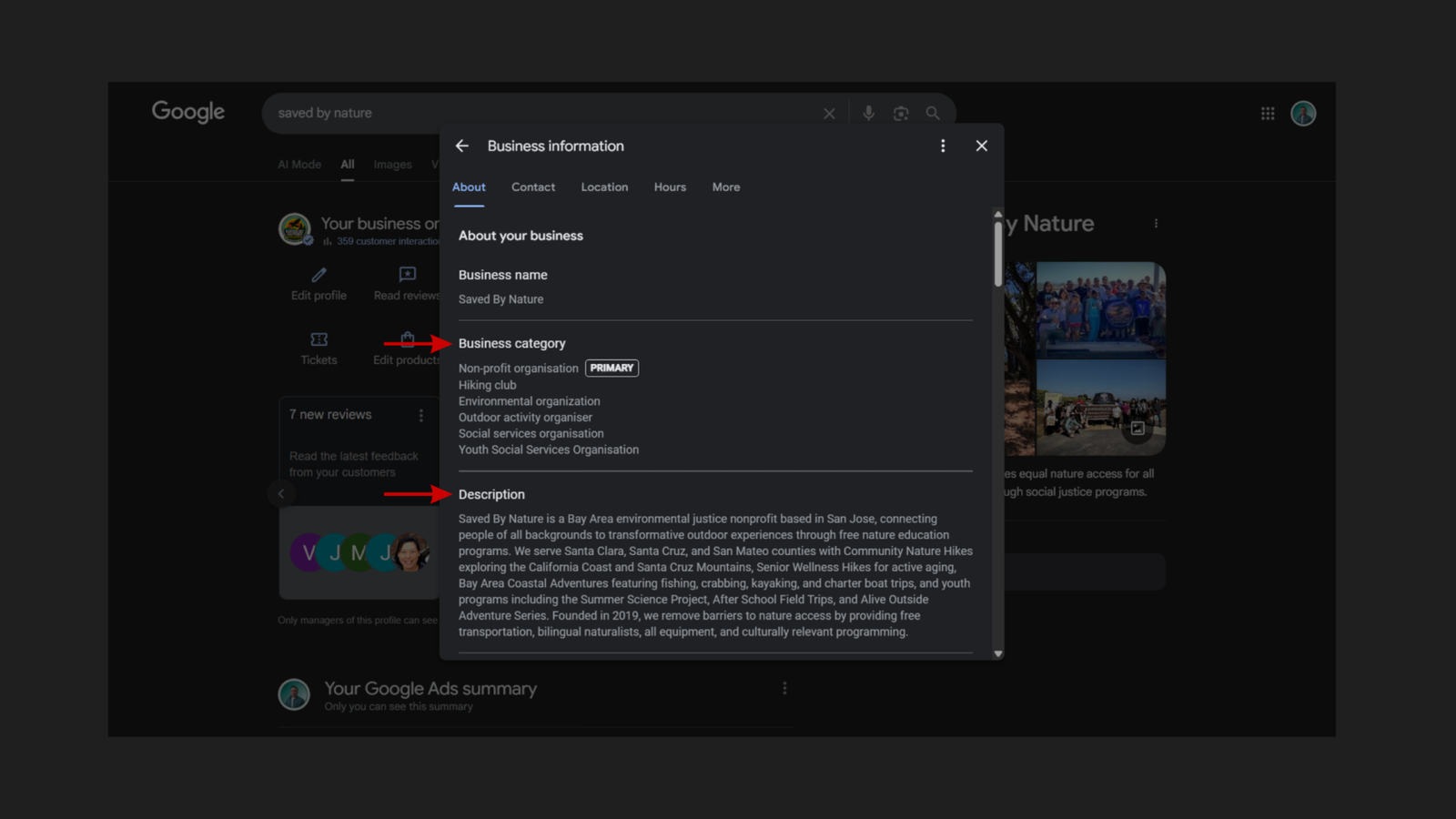
SBN’s Google Business Profile had been largely untouched since the organisation’s founding, with an incorrect primary category and two Google reviews after six years of operation.
The profile was rebuilt from the ground up: the primary category was corrected to “Non-profit organisation,” five secondary categories were added to broaden visibility across the full range of searches SBN’s communities run, and an optimised description was written covering all programs and SBN’s key accessibility features.
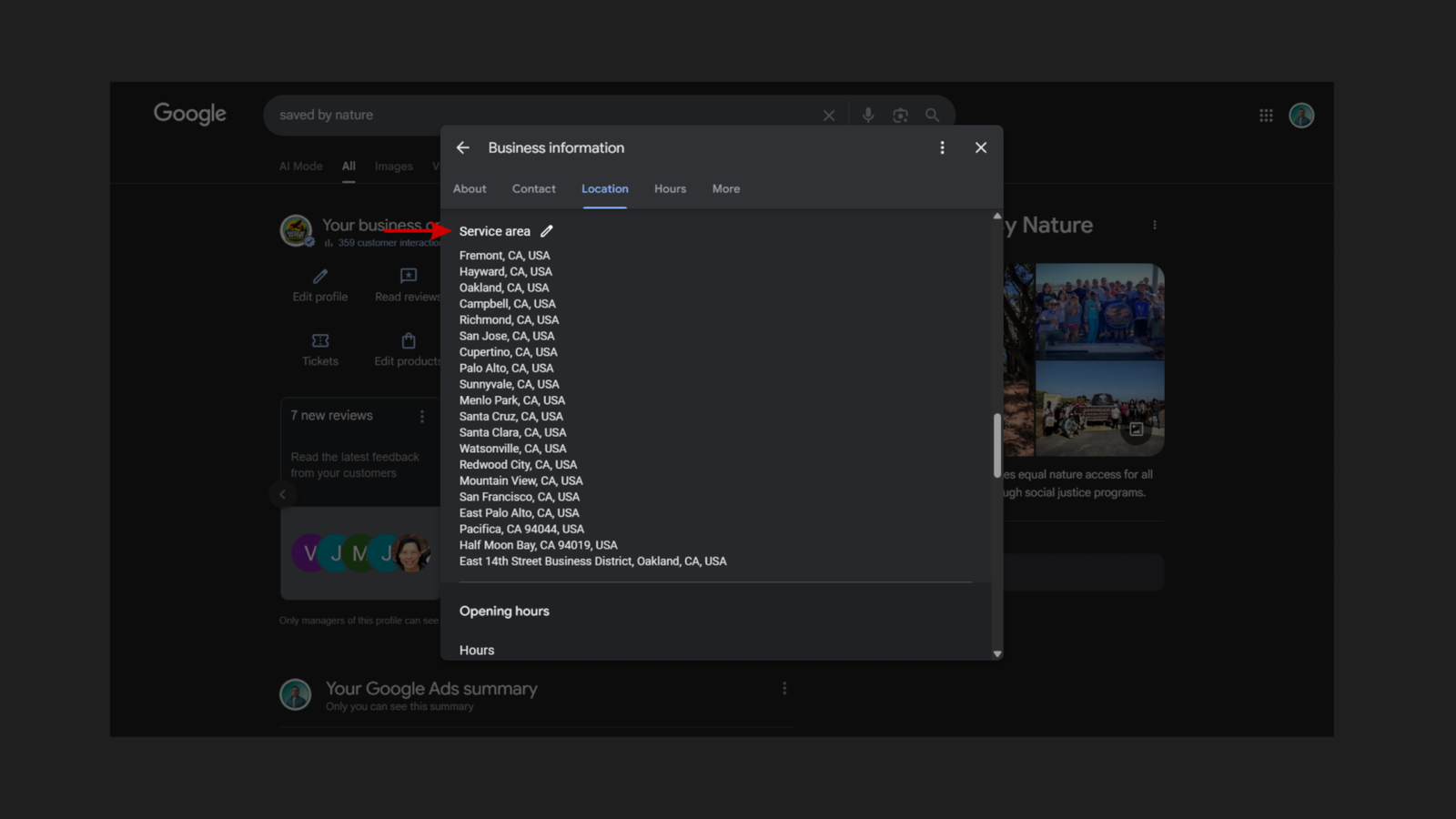
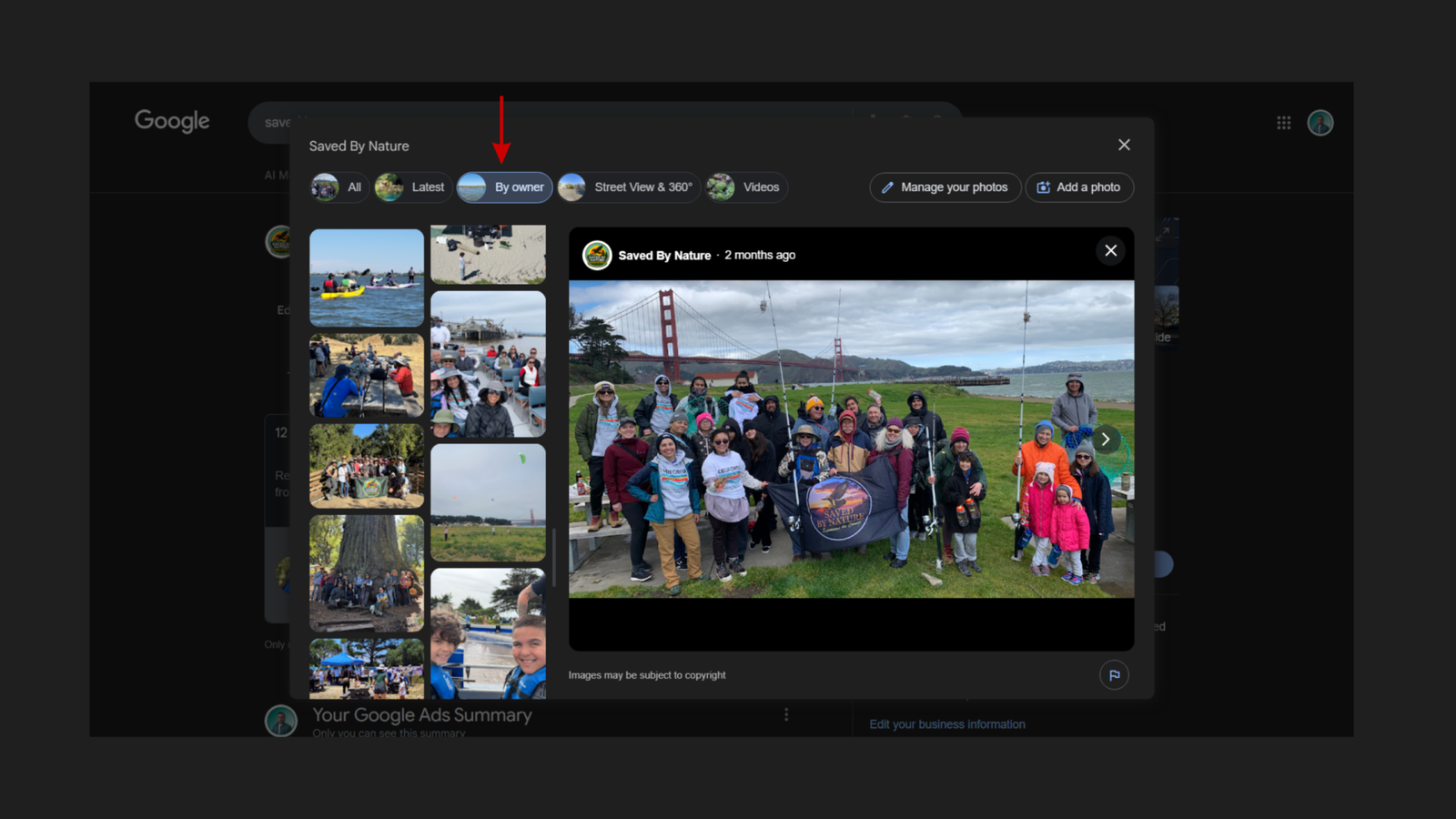
All service areas were added — with specific attention to the low-income South Bay neighbourhoods SBN’s programs are built to serve. A library of photos was uploaded to strengthen the profile’s visual presence.
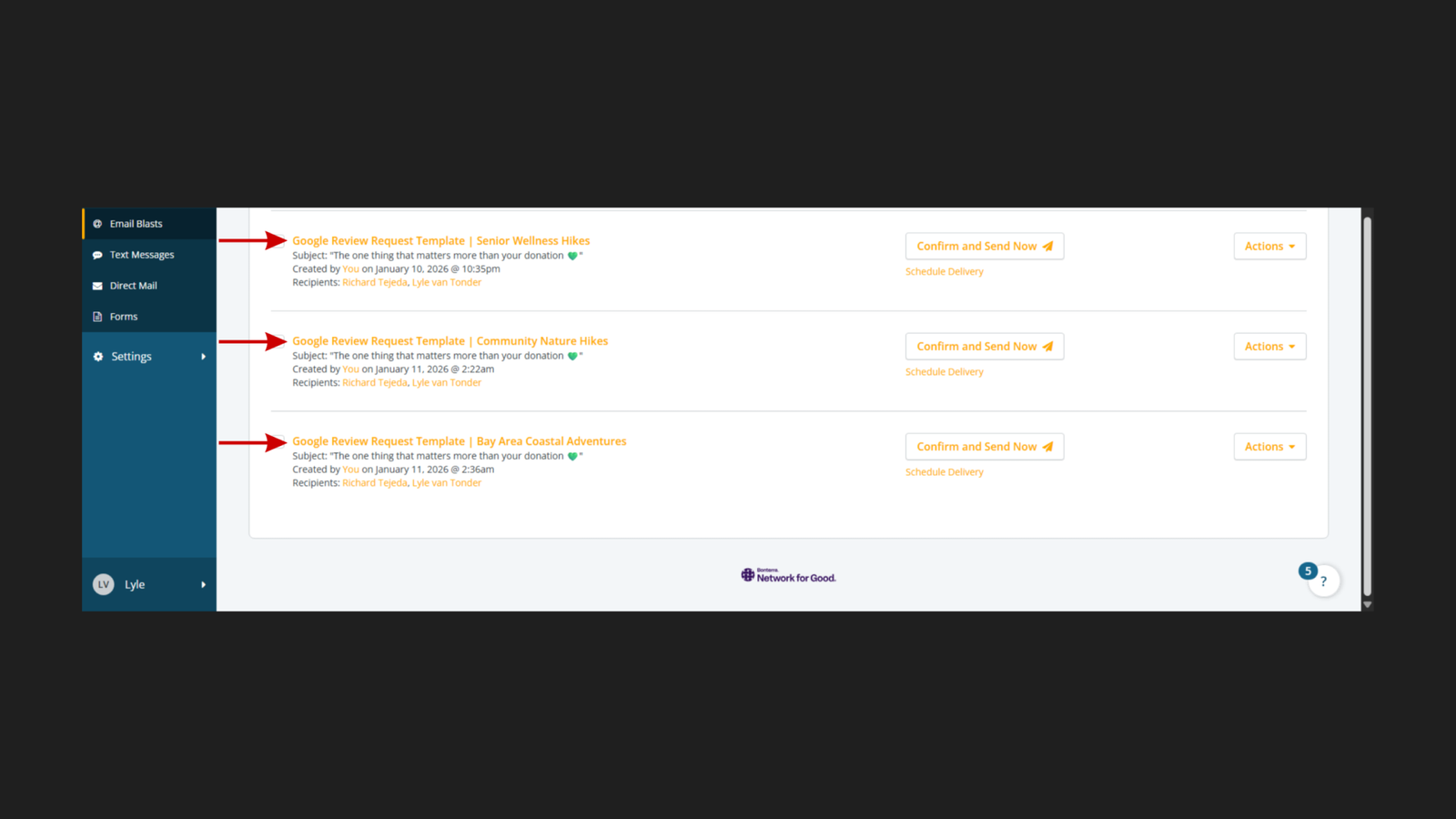
In January 2026, three Google Review Request email templates were created — one for each community program — each featuring a direct CTA linking to SBN’s review page to reduce friction. These templates are sent out following each community event to help grow SBN’s Google reviews.
Bing Places for Business was synced with the GBP to ensure consistency across platforms.
Blog Optimization
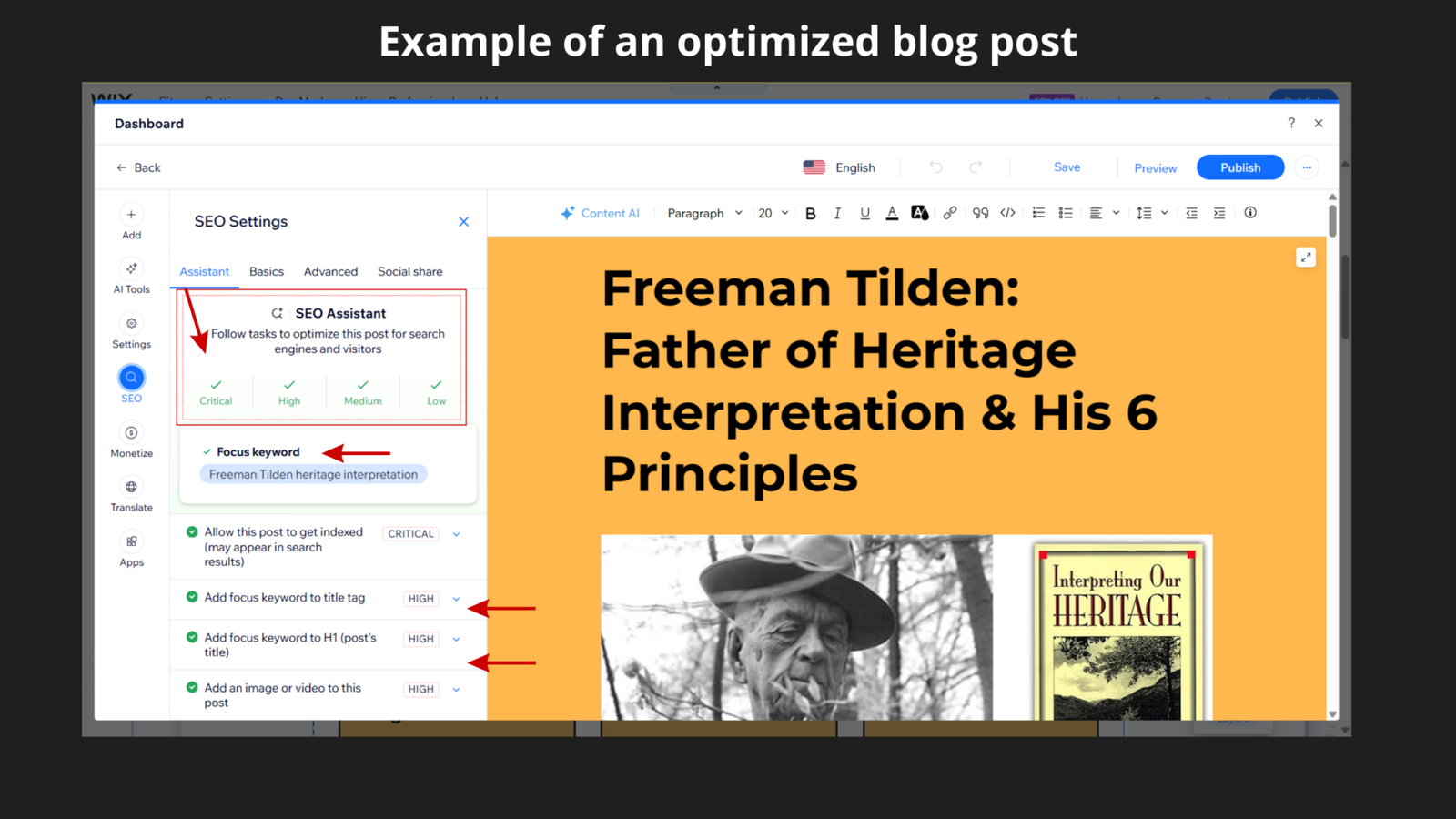
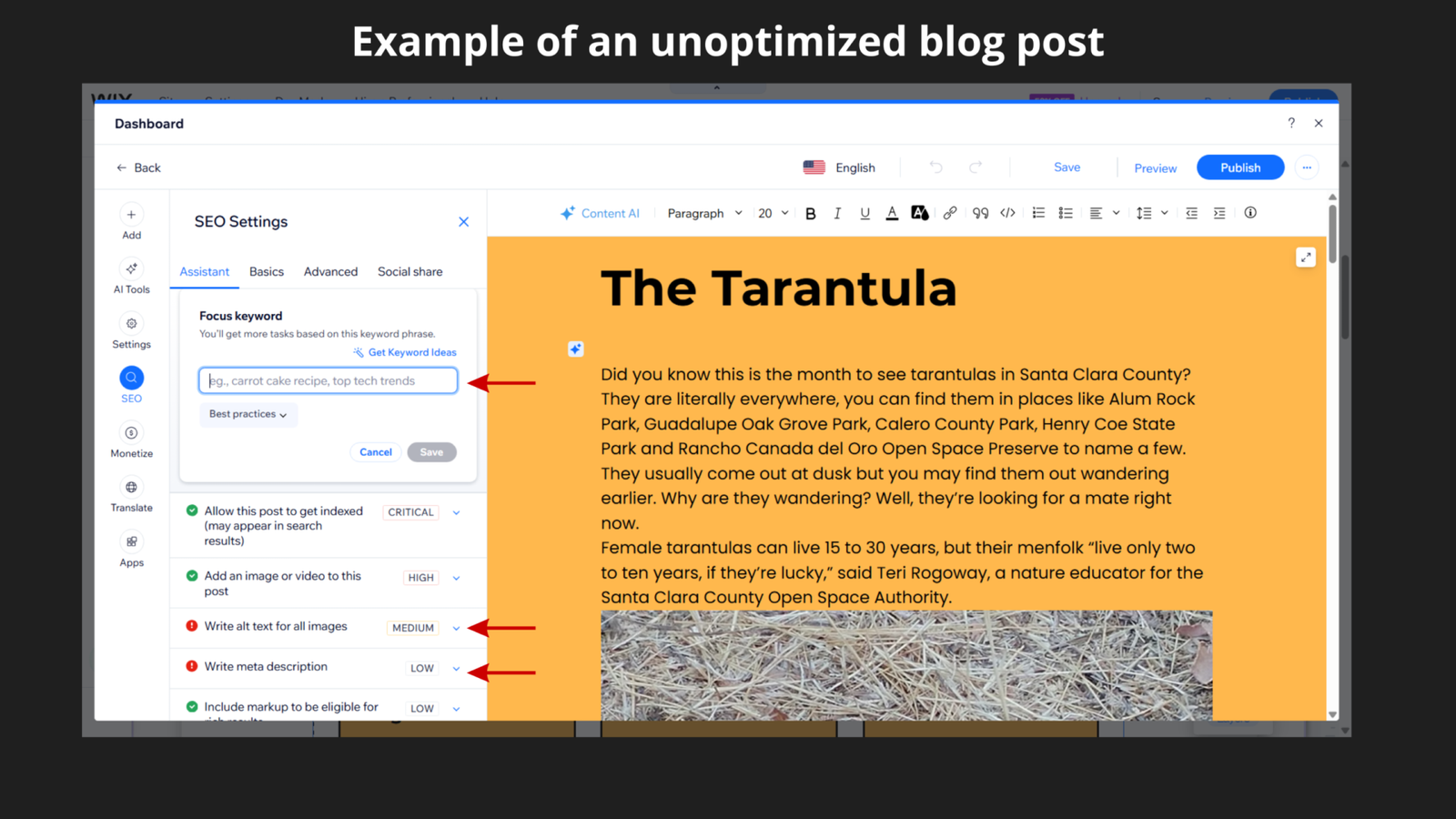
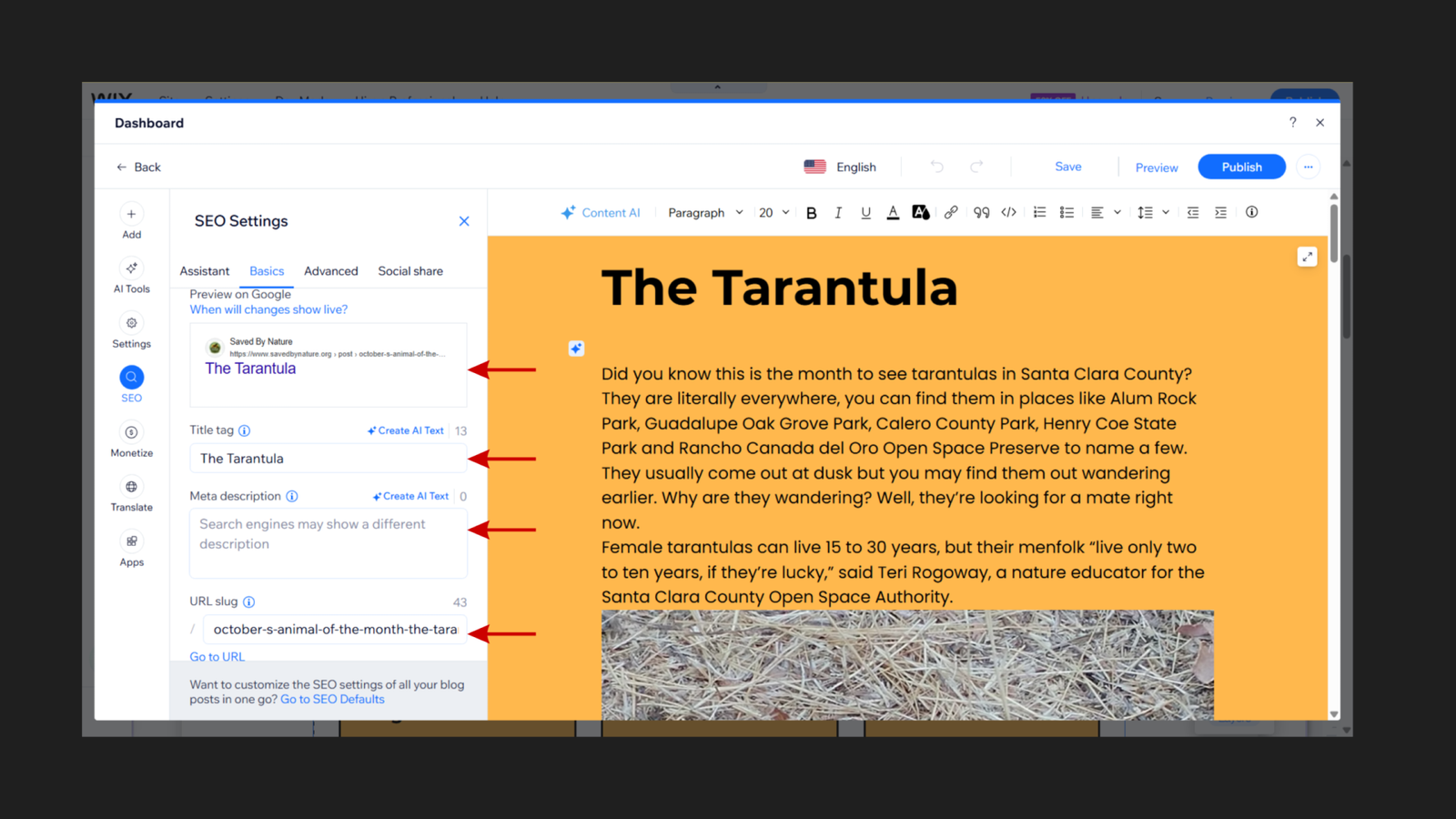
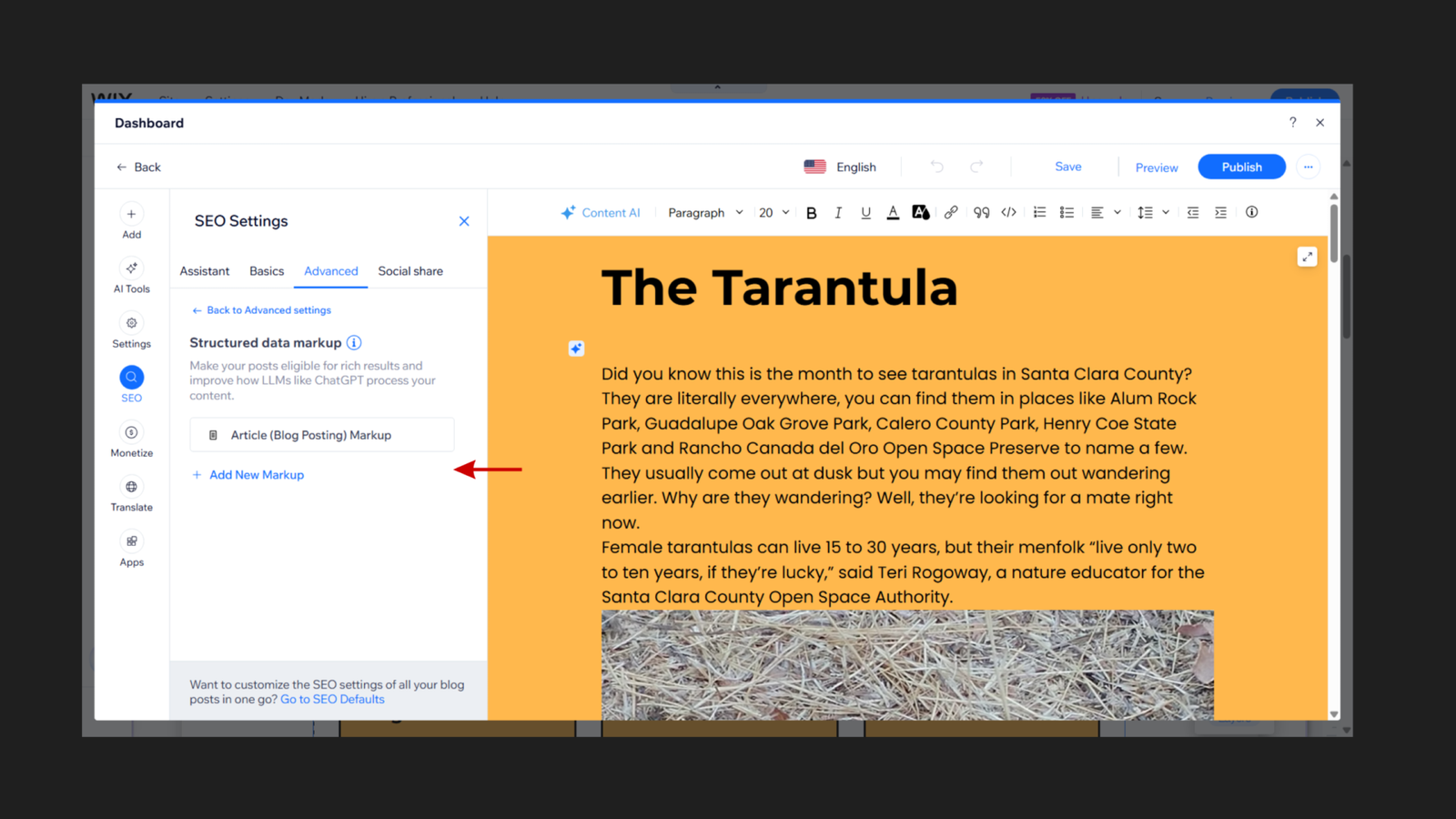
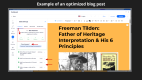
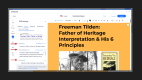
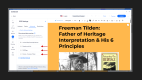
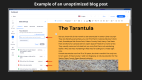
SBN’s blog had never been treated as a search asset. Posts contained multiple H1 headings, carried no assigned focus keywords, and had no meta descriptions or optimised image alt text — content that was ranking was doing so despite its structure, not because of it.
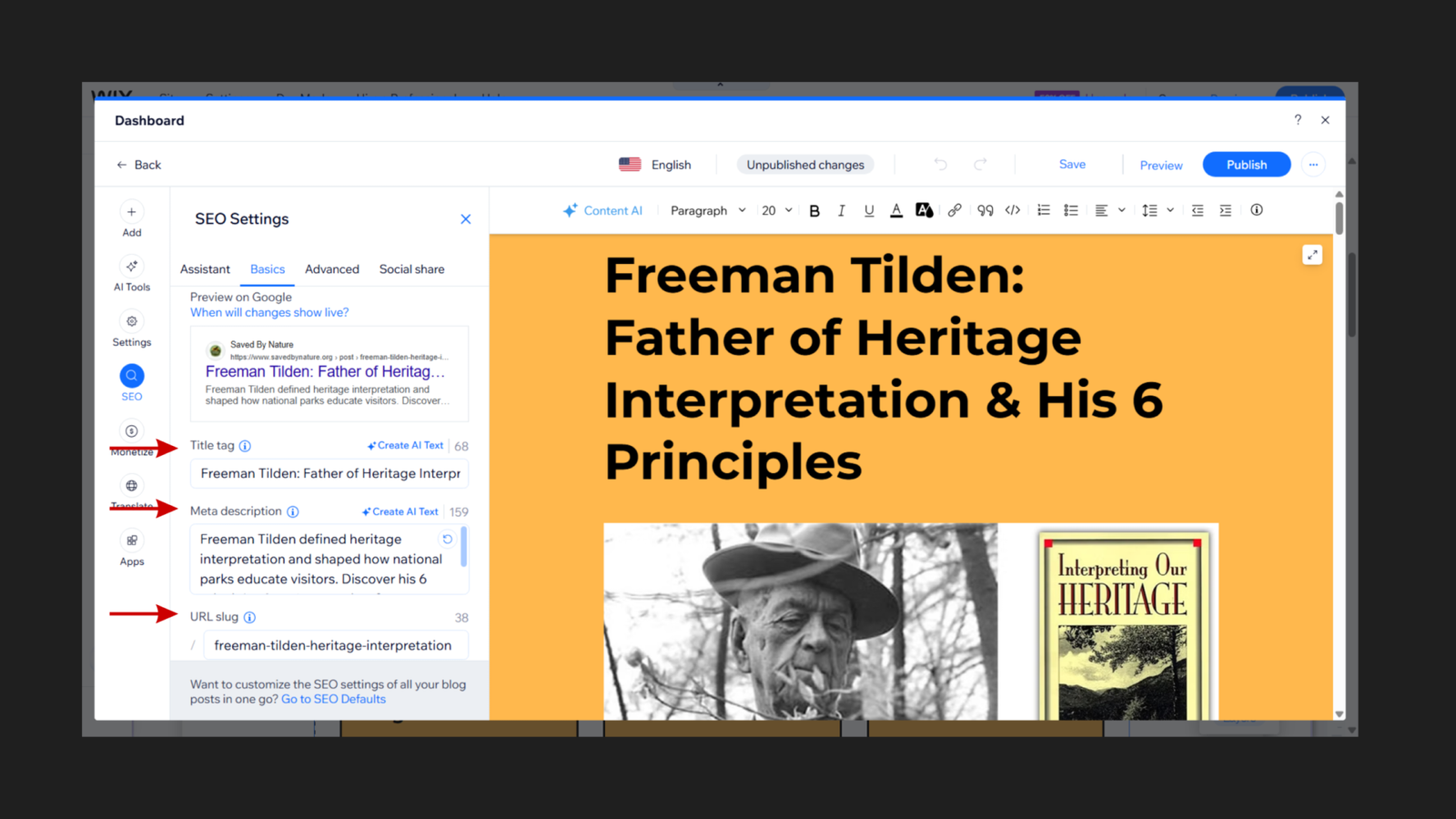
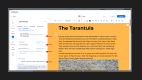
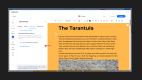
The majority of posts were rewritten and optimised for both SEO and GEO: each post was assigned a focus keyword integrated naturally through the title tag, H1, subheadings, and body copy, with optimised meta descriptions, URL slugs, and image alt text applied throughout.
FAQ sections were added to every post to improve AI parsability — complementing the Article structured data that Wix applies automatically, and making every post eligible for Google’s Rich Results.
Shop Optimization
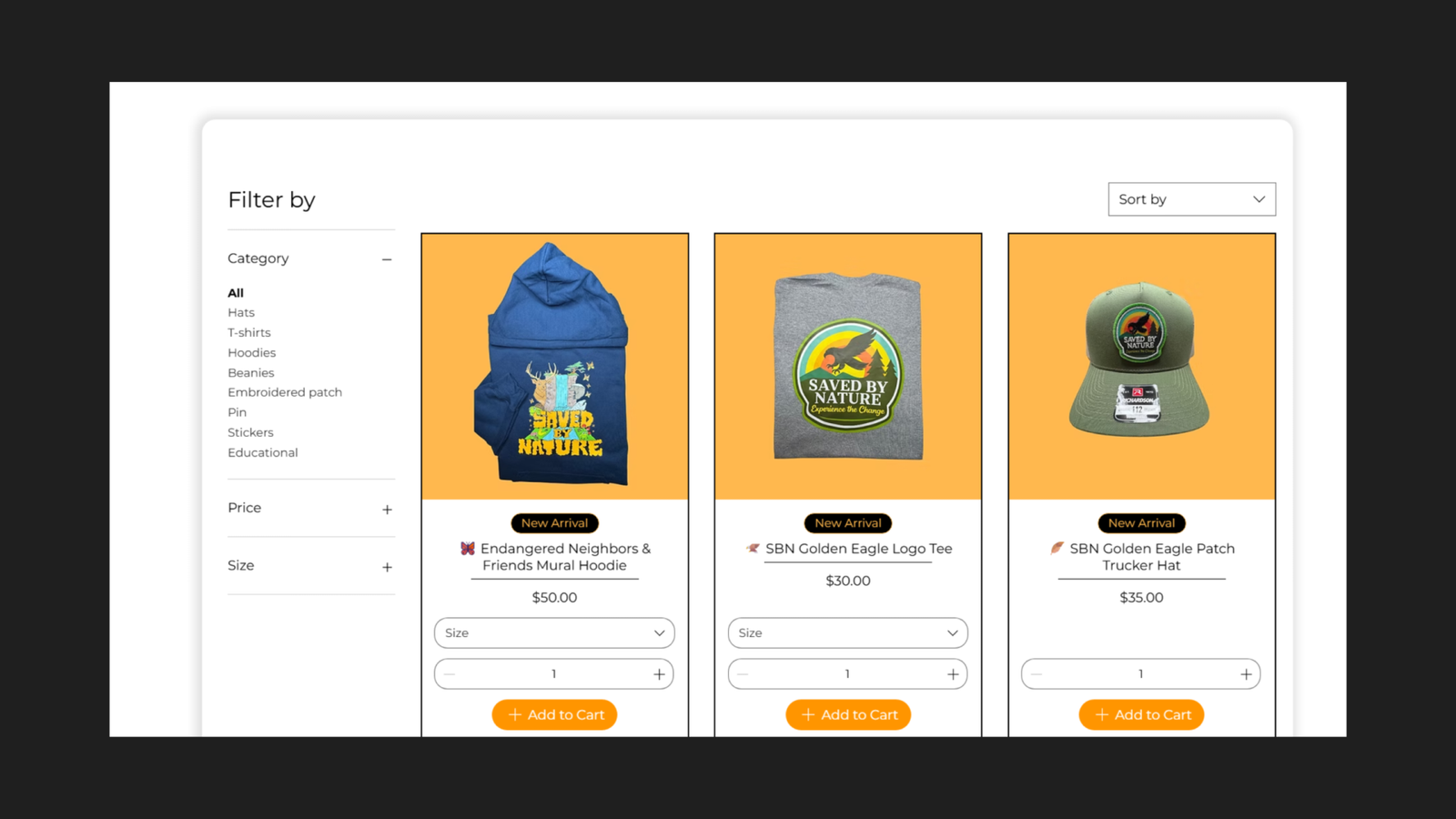
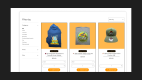
SBN’s shop had been buried three levels deep under a “What’s New” dropdown — and even for visitors who found it, the experience was incomplete. Clothing items had no sizing options, there were no product categories, and no way to filter or sort the catalogue.
The shop was added to the main navigation, given a full brand-aligned visual overhaul, and rebuilt as a complete end-to-end shopping experience.
Product categories were created across the full catalogue, with filtering by category, price, and size and sorting across five options added throughout.
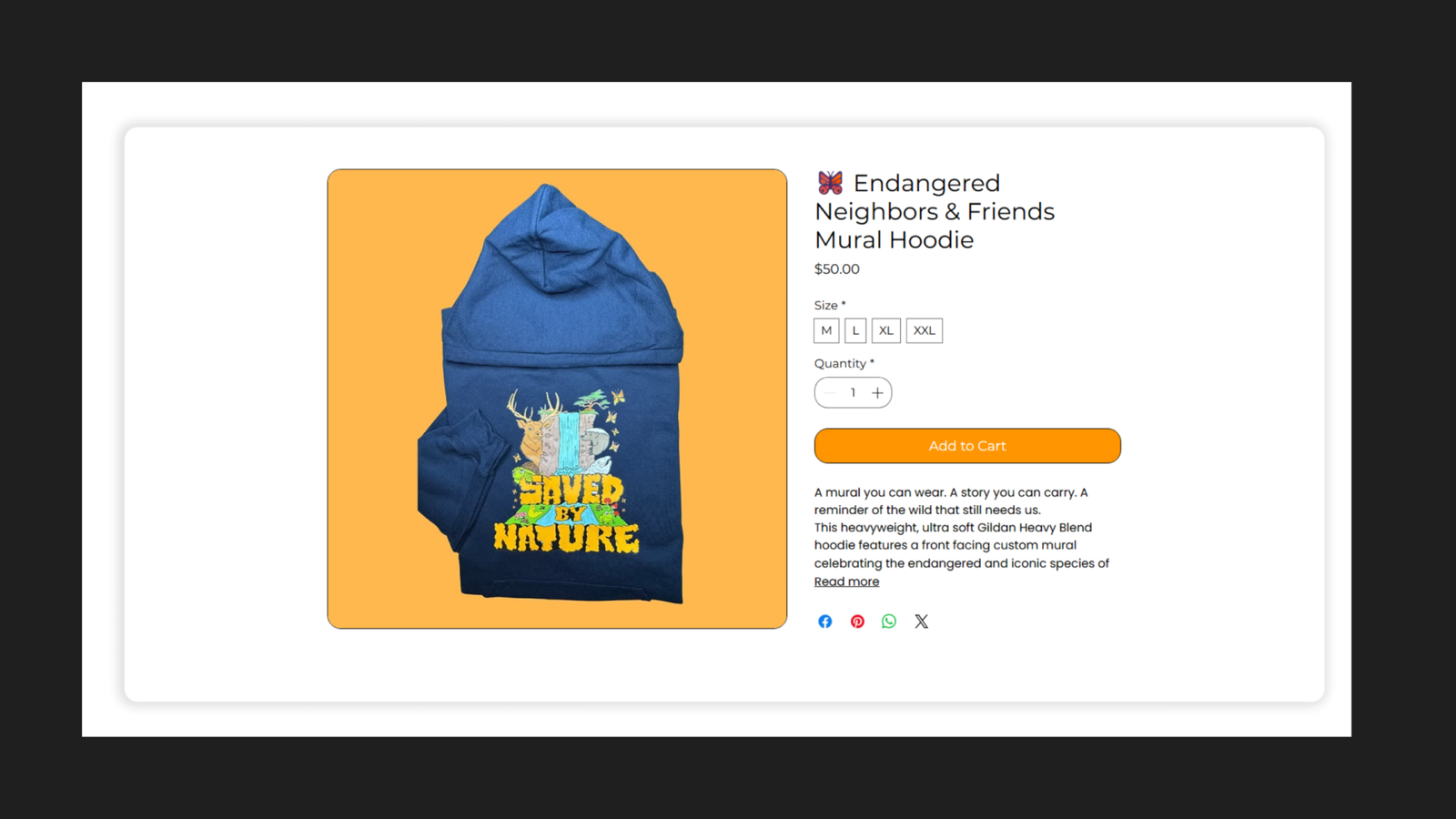
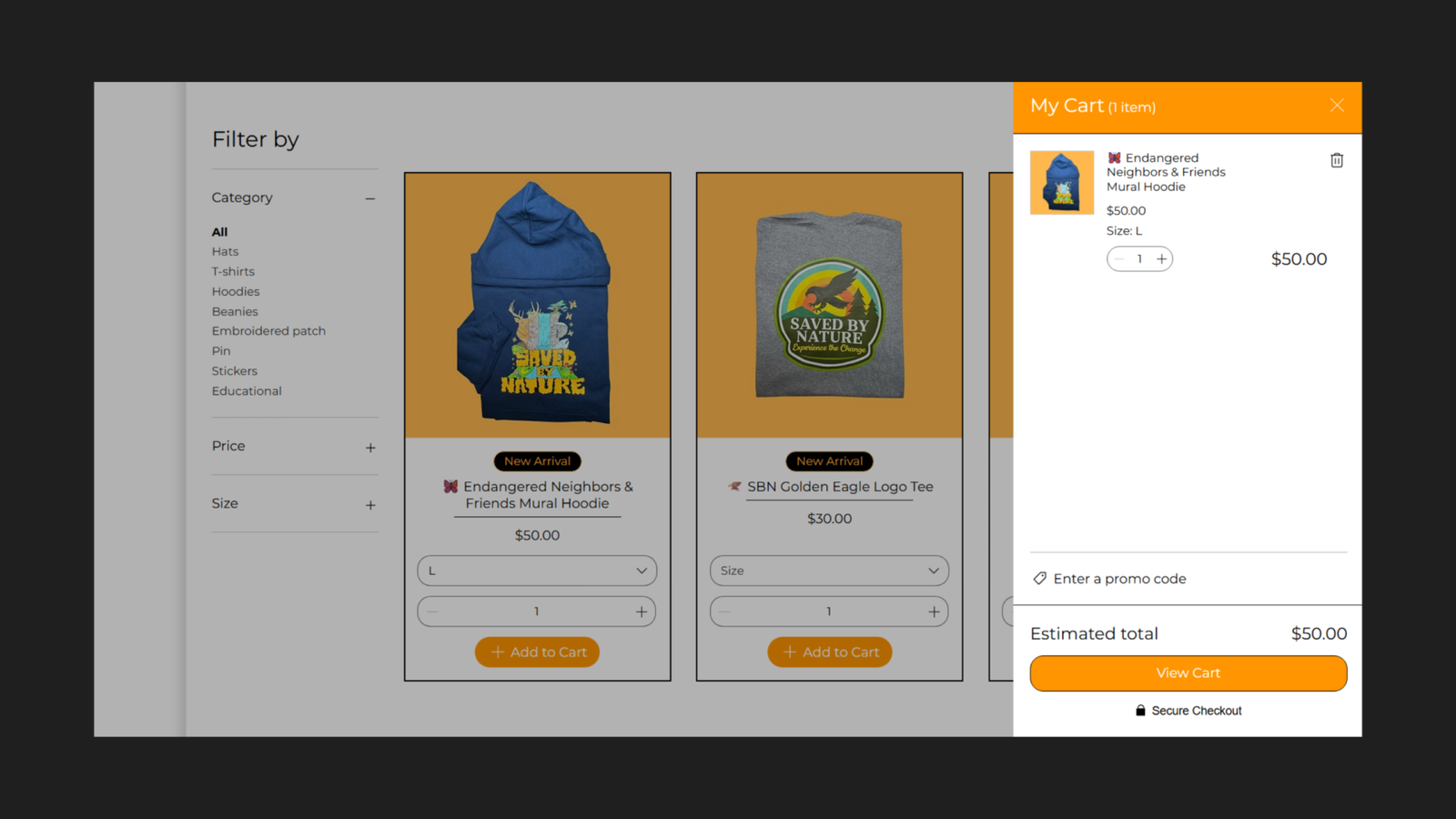
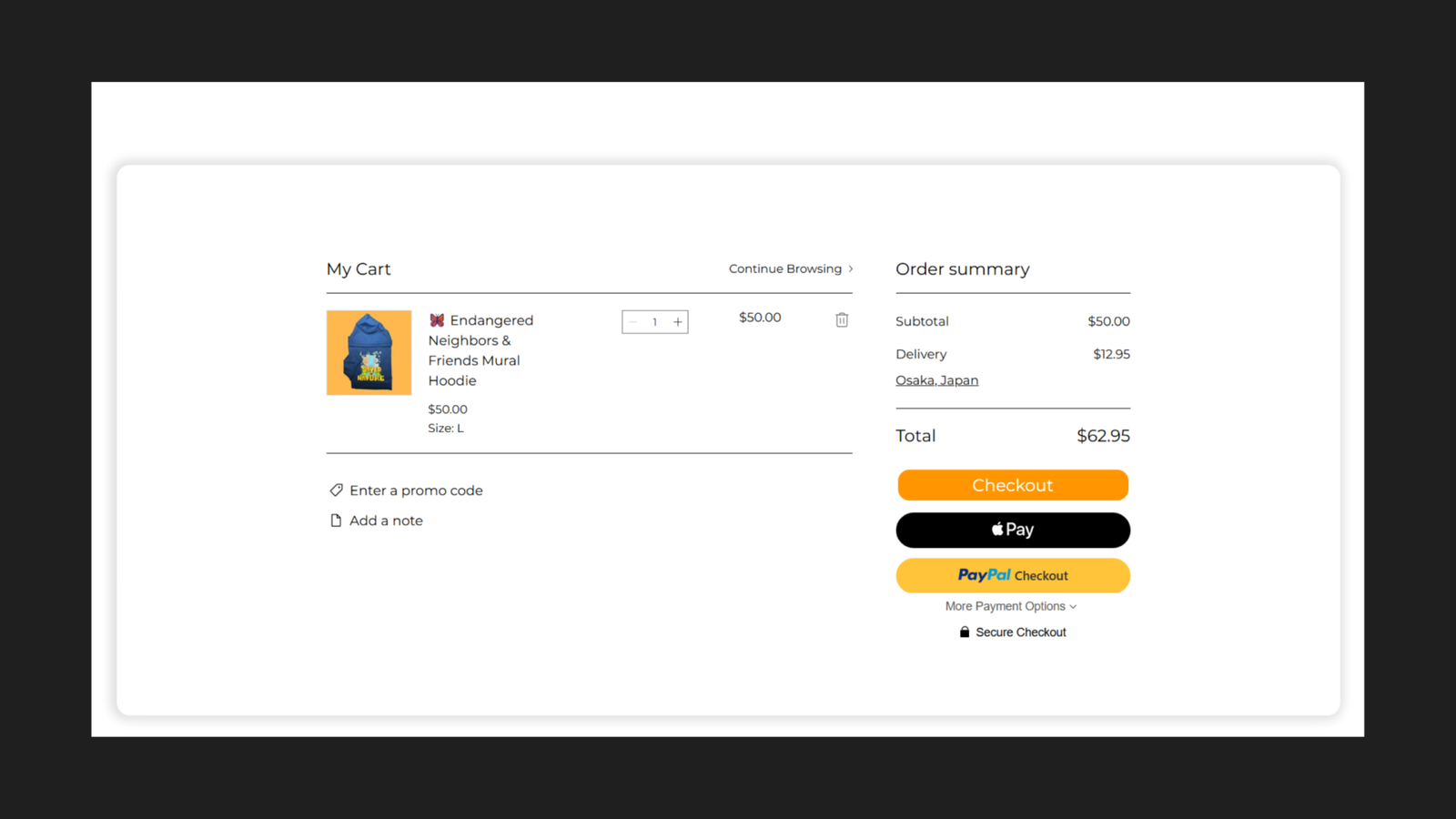
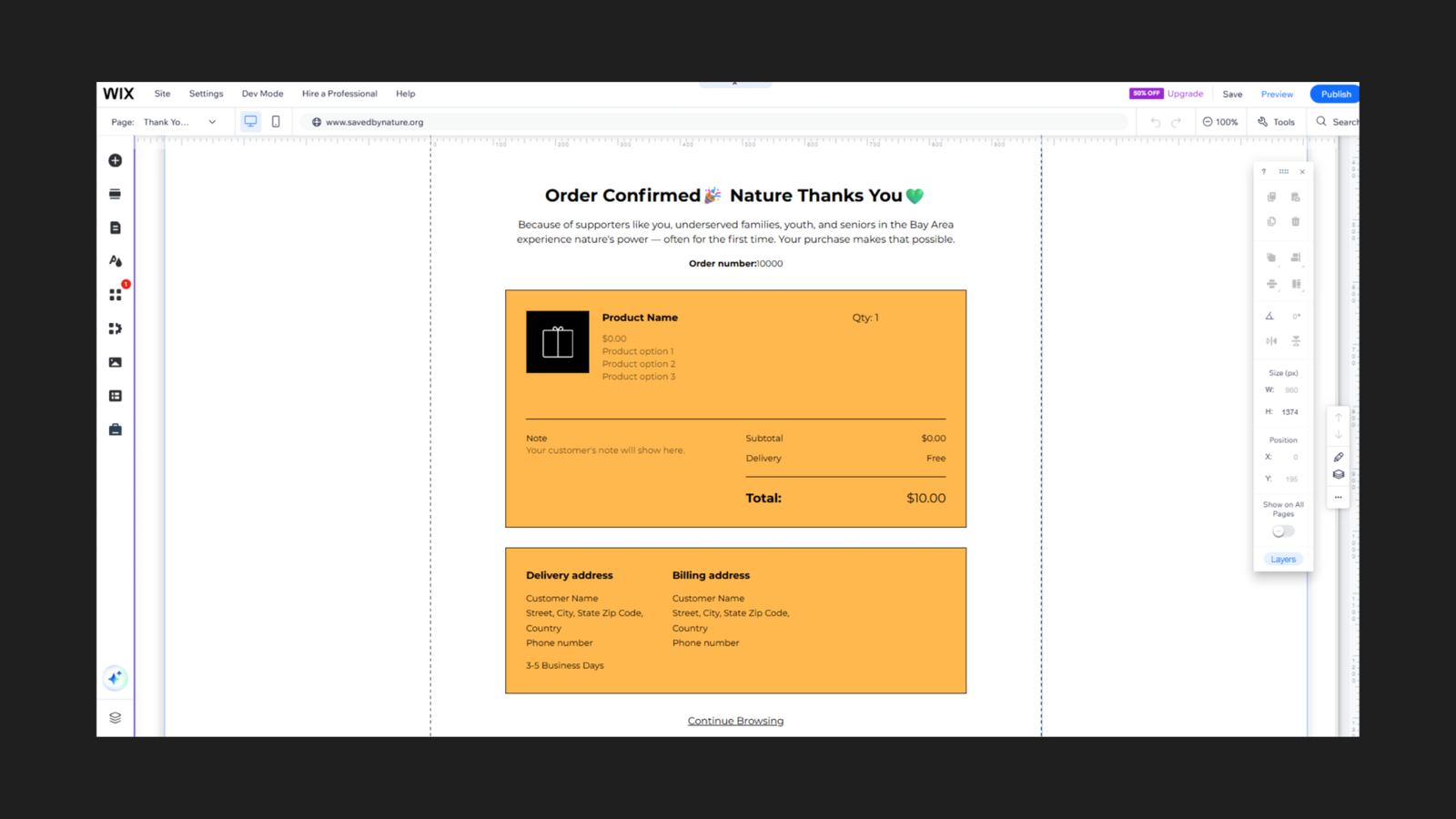
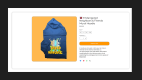
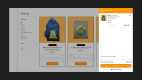
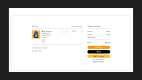
Sizing options and quantity selectors were introduced to all applicable product cards, and every stage of the purchase journey — product gallery, individual product pages, side cart, cart page, and post-purchase thank you page — was reviewed and optimised.
The Results
The rebuilt site went live in November 2025. By February 2026 — just three months after launch — every key metric that had previously defined the problem had begun moving in the opposite direction.
A Site That Converts
Before the rebuild, the site had no contact form, no program enrollment pathways, and no volunteer page. The number of recorded converted sessions for the entire prior period was zero — not because conversions weren’t happening, but because the infrastructure to capture them didn’t exist.
By March, 2026, four months after the rebuilt site went live, that had changed significantly.
The organisation’s first Contact page, launched on September 1, 2025, and had generated 65 contact form submissions by March 17, 2026.
Program enrollment pages, built for the first time across all of SBN’s programs, captured 117 total enrollments between November 2025 and March 17, 2026, with acquisition source tracking implemented for every submission.
The Volunteer page, launched January 21, 2026, and had received 9 applications by March 17, 2026 — 7 out of 9 applicants found the program through Google Search.
These numbers represent something the organisation had never previously been able to measure: direct, channel-attributed mission impact from the website.
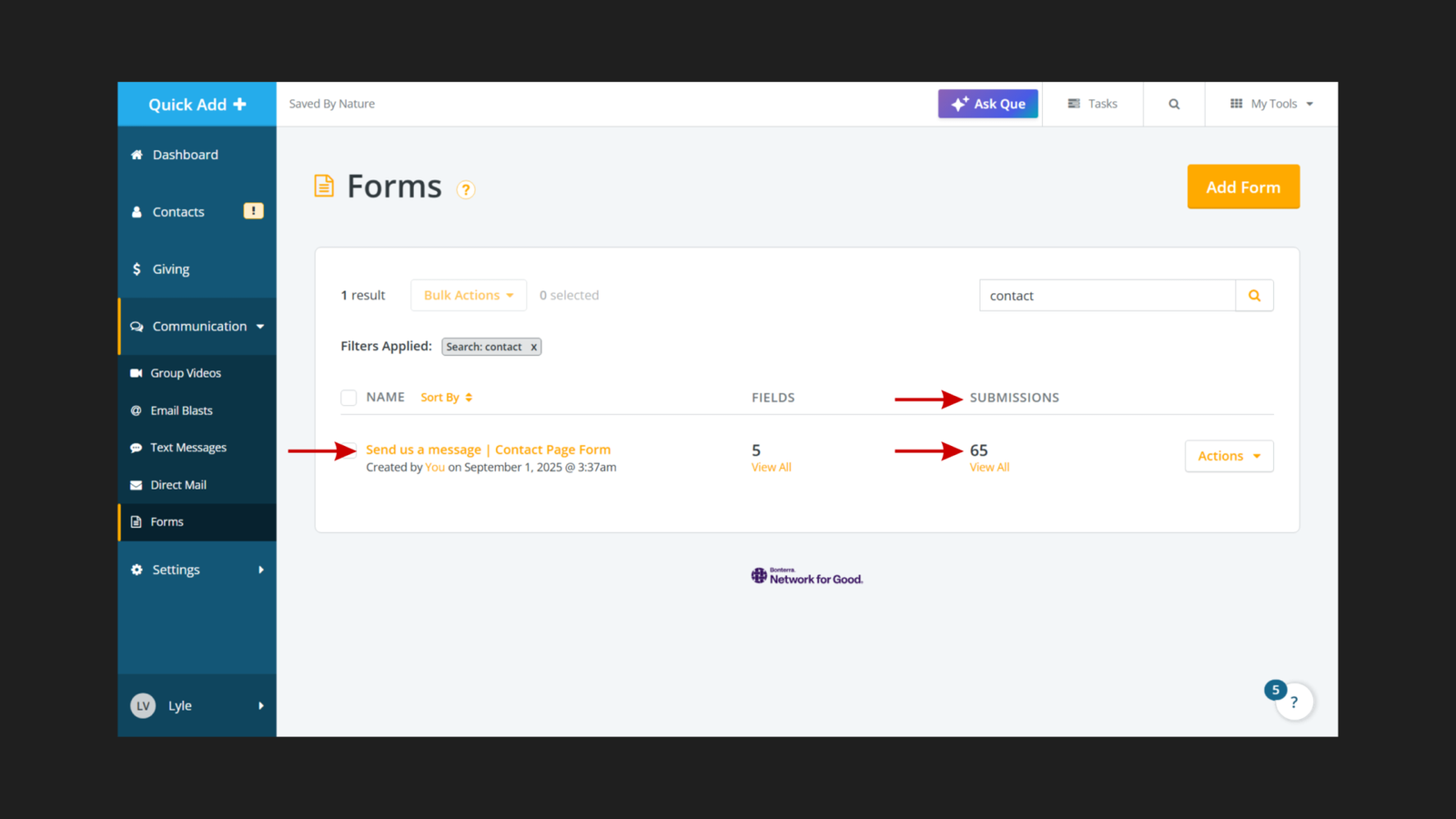
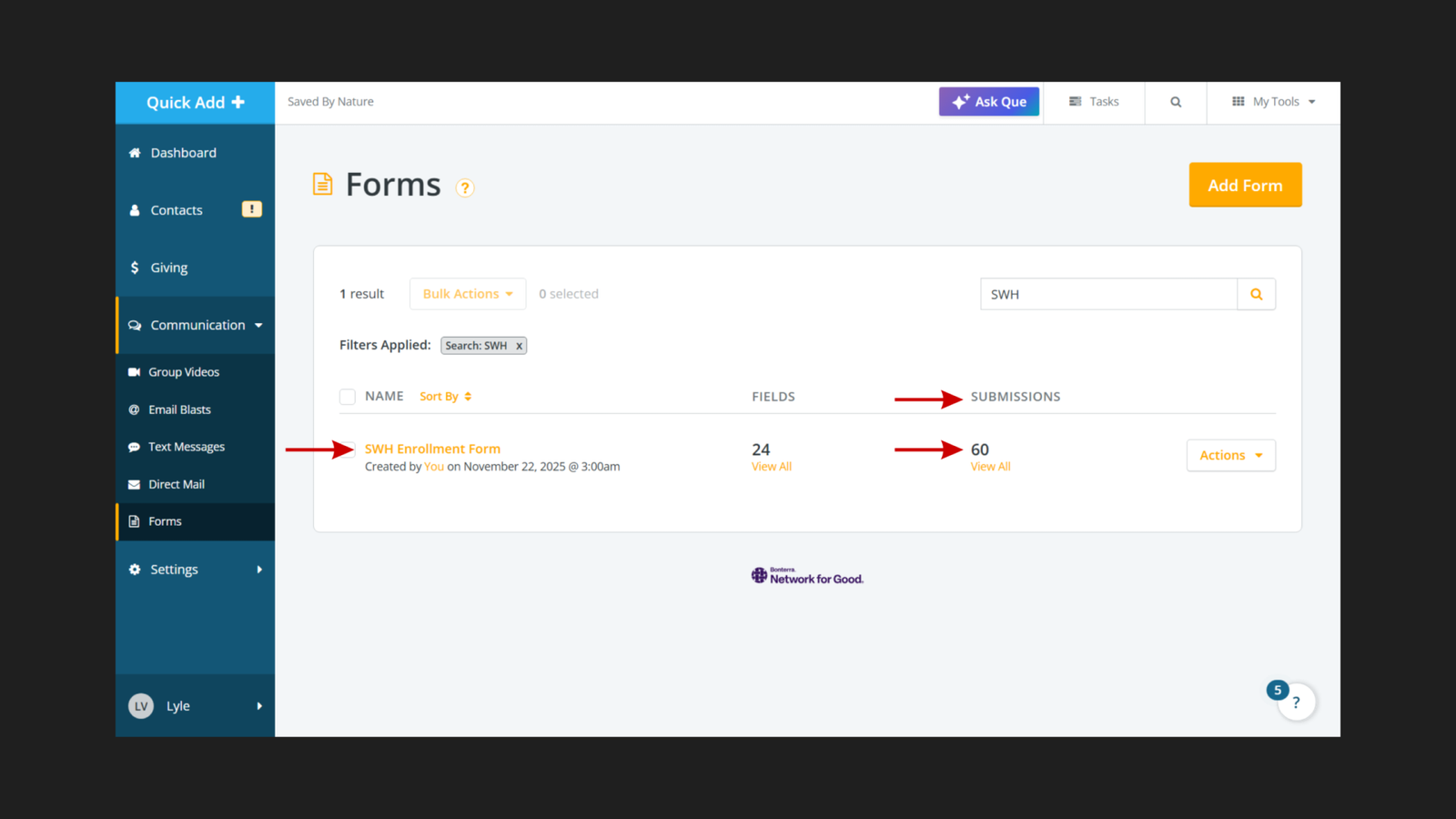
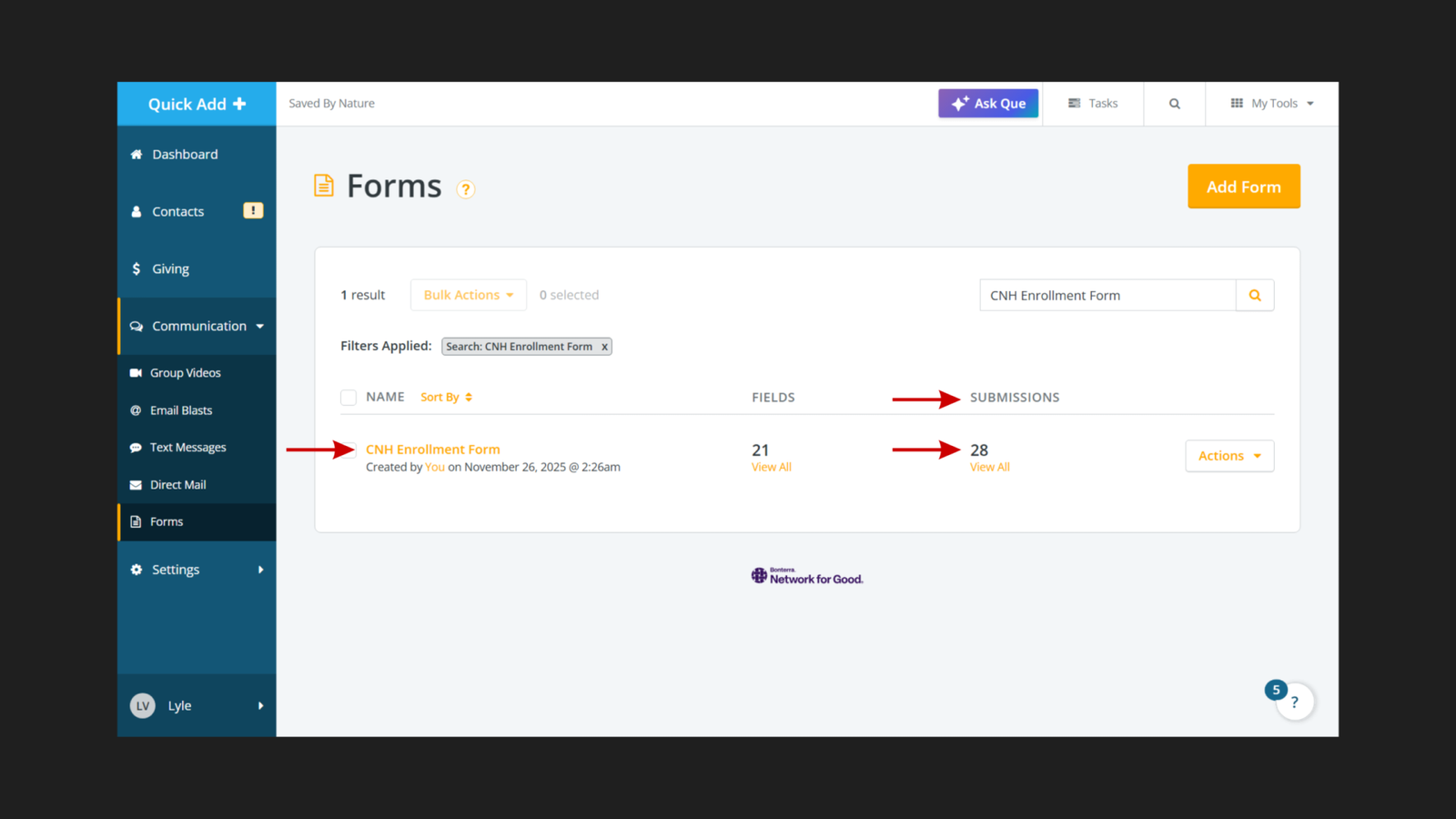
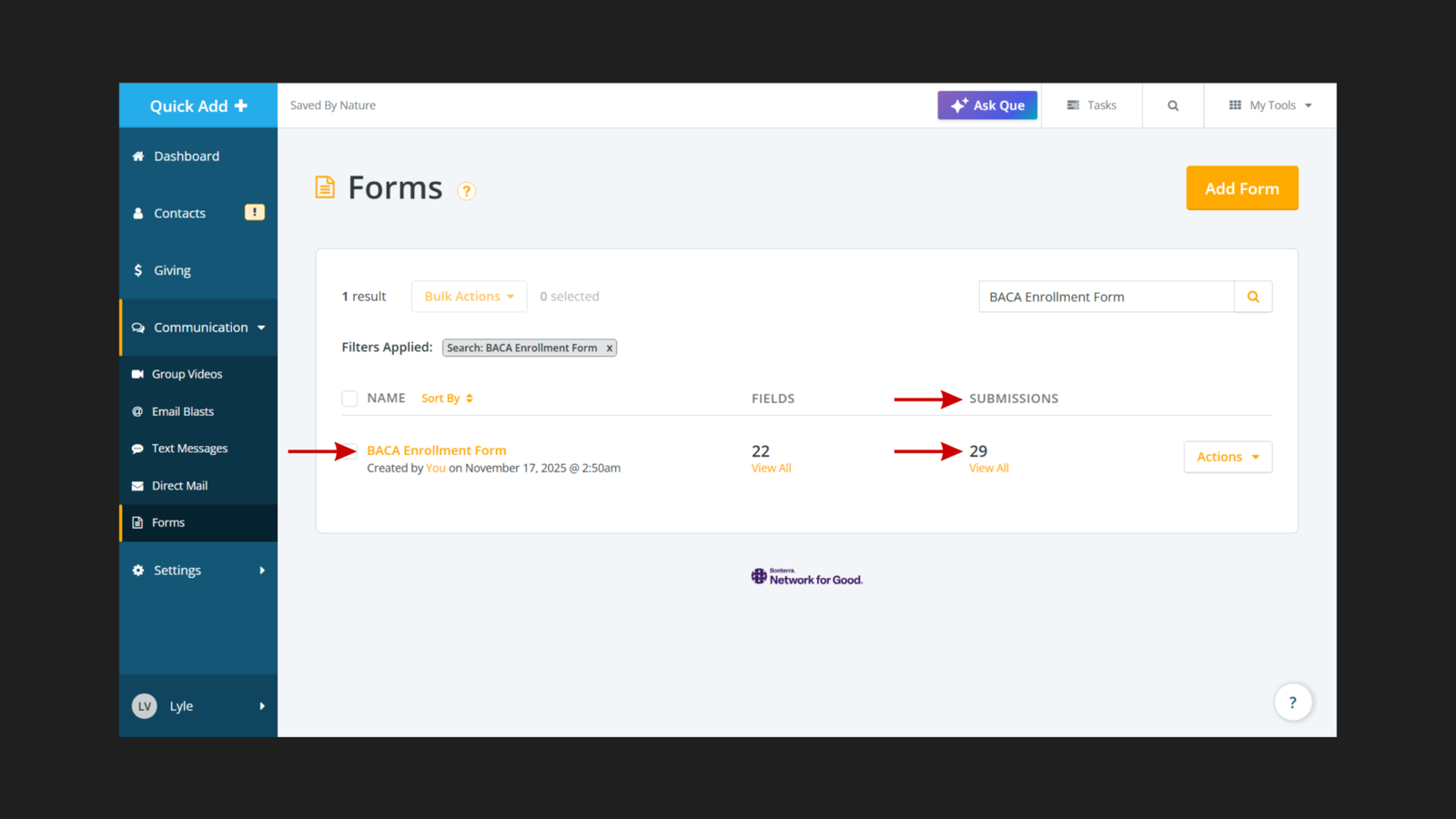
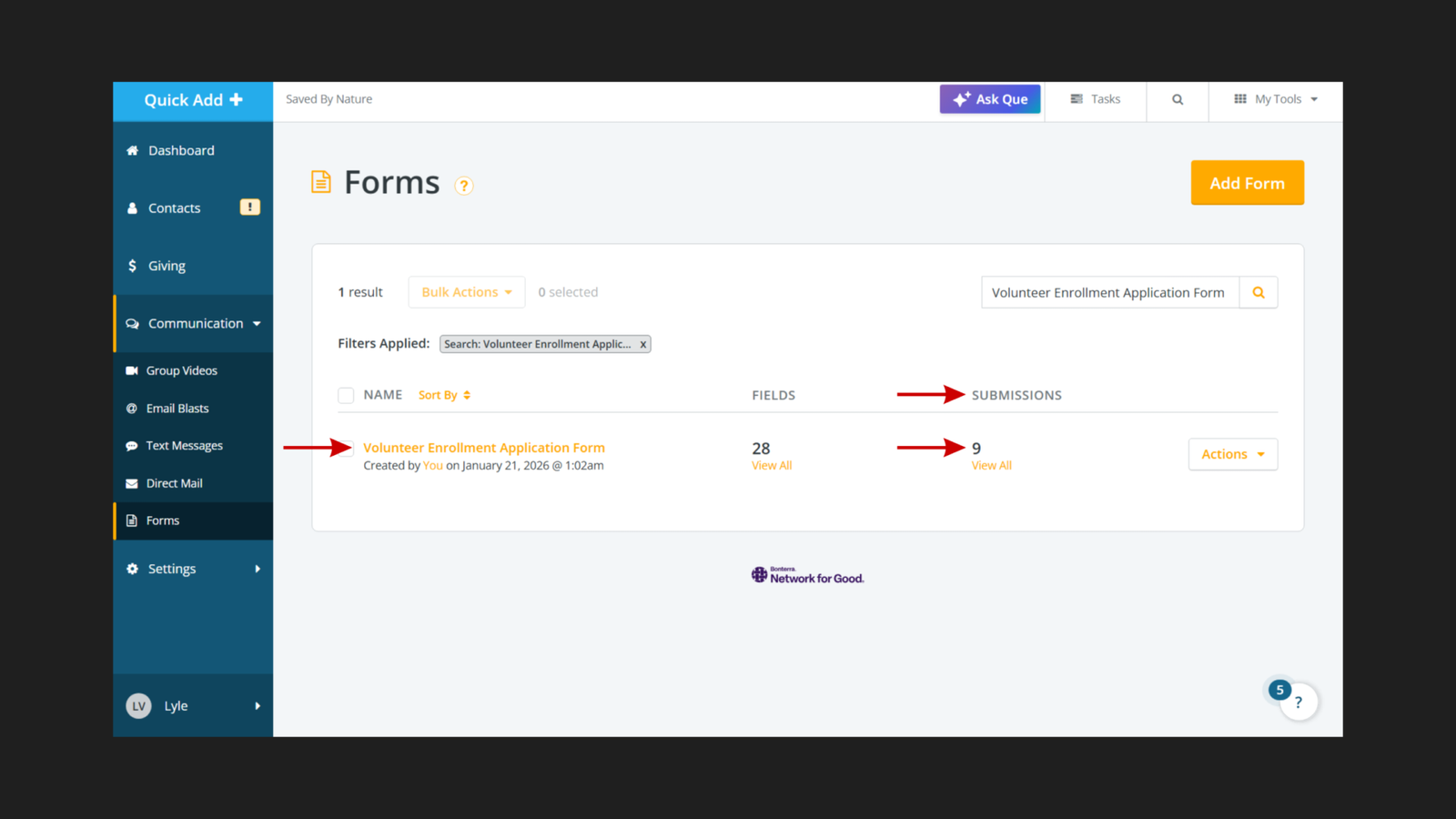
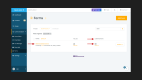
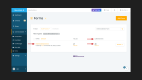
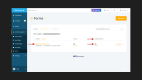
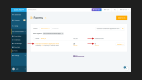
Table Showing program enrollment numbers & acquisition sources as of 17 march 2026
| Program | Total Enrollments | Via Google Search | Via Google AI Overview | Via Perplexity | Via ChatGPT | Via Other Channels |
|---|---|---|---|---|---|---|
| Senior Wellness Hikes | 60 | 27 | 1 | 1 | 31 | |
| Community Nature Hikes | 28 | 6 | 1 | 1 | 20 | |
| Bay Area Coastal Adventures | 29 | 11 | 18 | |||
| TOTALS | 117 | 44 | 1 | 2 | 1 | 69 |
Traffic Growth & Deeper Engagement
The rebuilt site didn’t just drive increased traffic — it improved retention. Across all engagement metrics tracked by TWIPLA, performance trends reversed.
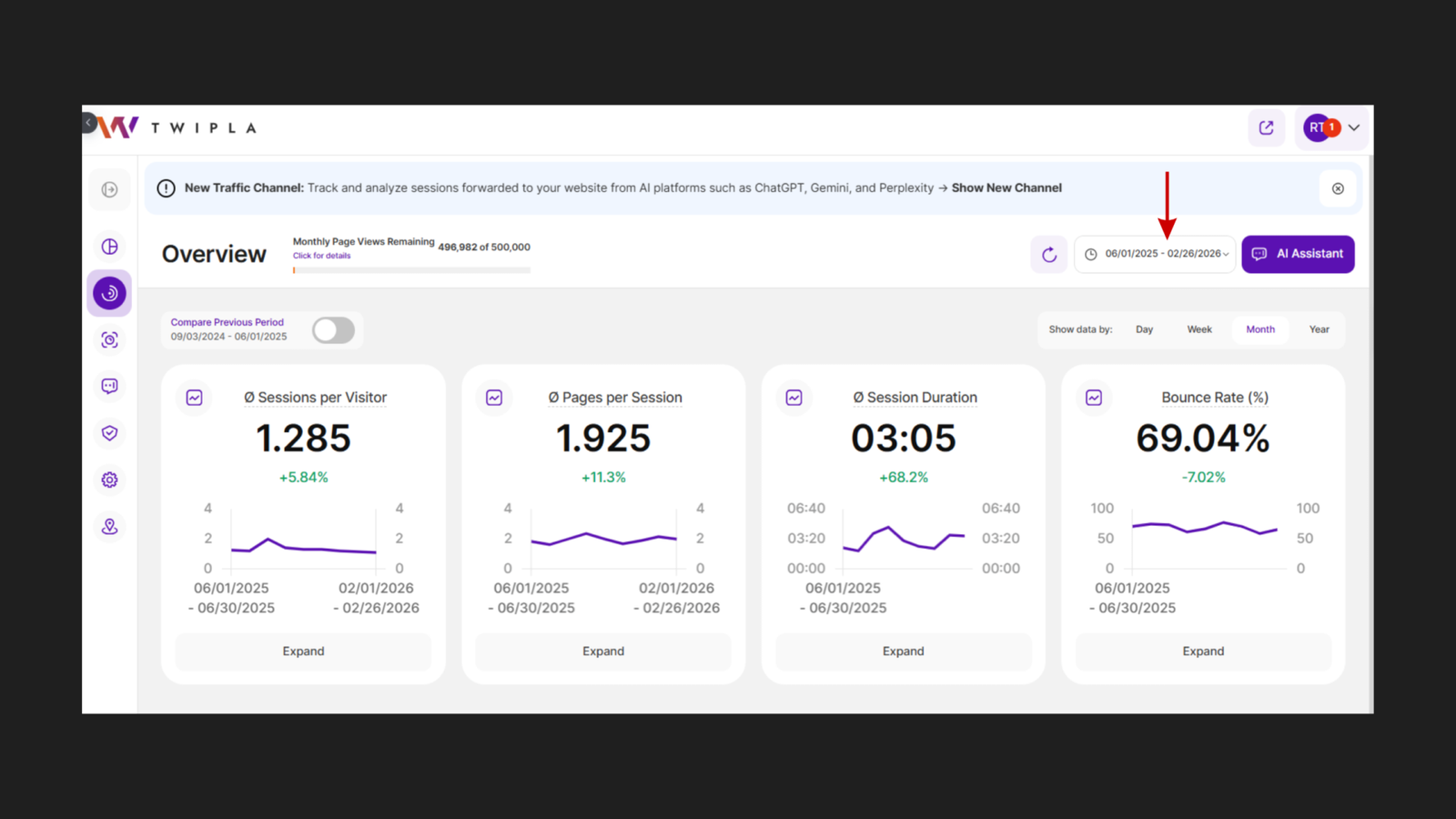
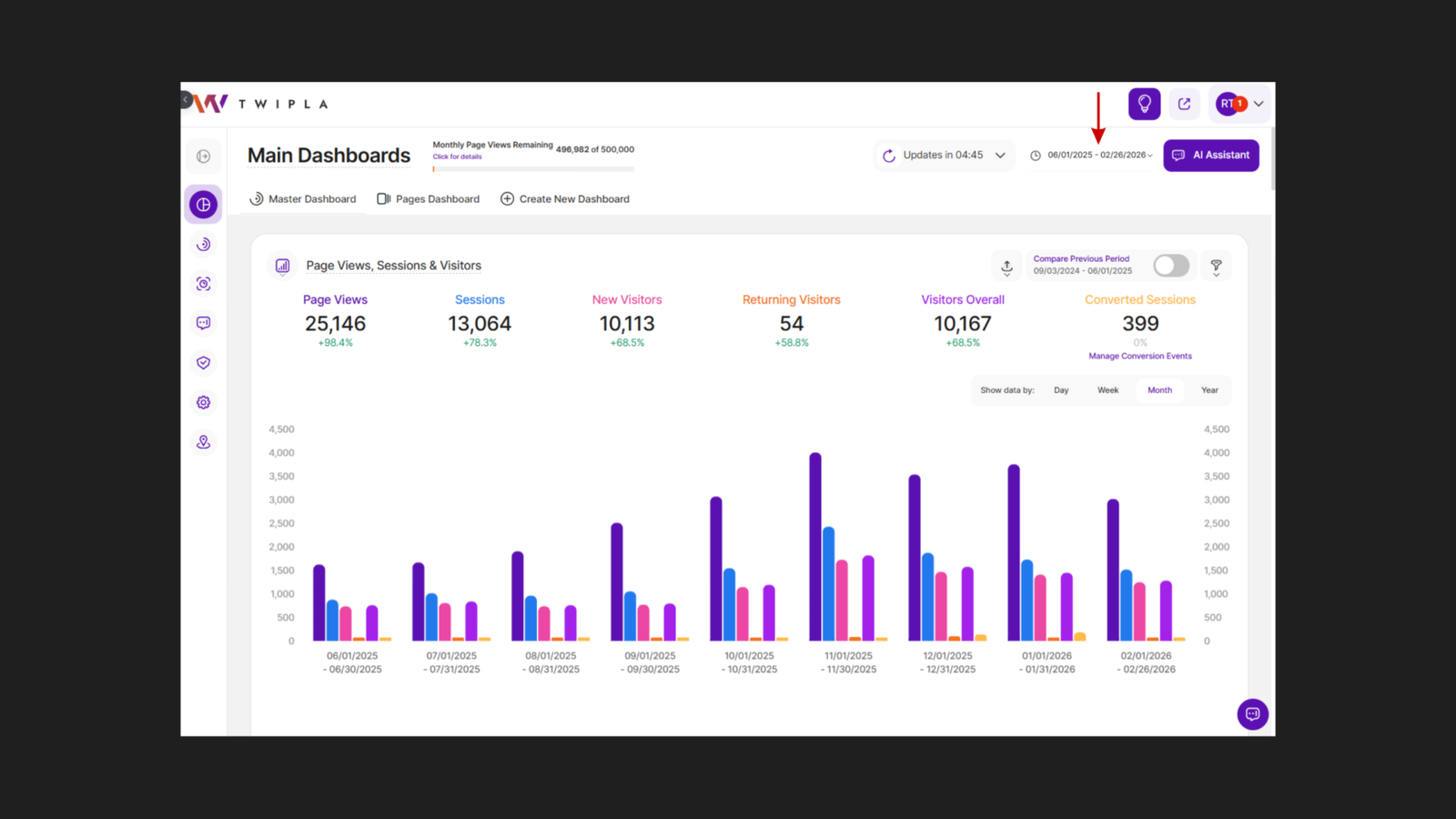
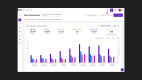
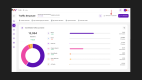
13,064 total sessions (+78.3%) and 25,146 page views (+98.4%) over the tracked period, compared to the prior period — traffic nearly doubled.
Average session duration reached 3:05 minutes — a +68.2% improvement. Before the rebuild, the average session lasted 22 seconds, with a -80.6% year-over-year decline. Visitors are now staying long enough to actually read about programs, find the contact page, and take action.
Pages per session rose to 1.925 (+11.3%), indicating that more visitors are navigating beyond the page they land on — the direct result of a navigation structure and internal linking architecture that guides rather than abandons.
Bounce rate fell to 69.04% (-7.02%). The organic search bounce rate improved to 67.1% (-12.4%) — meaning visitors arriving from Google are more likely to stay and explore.
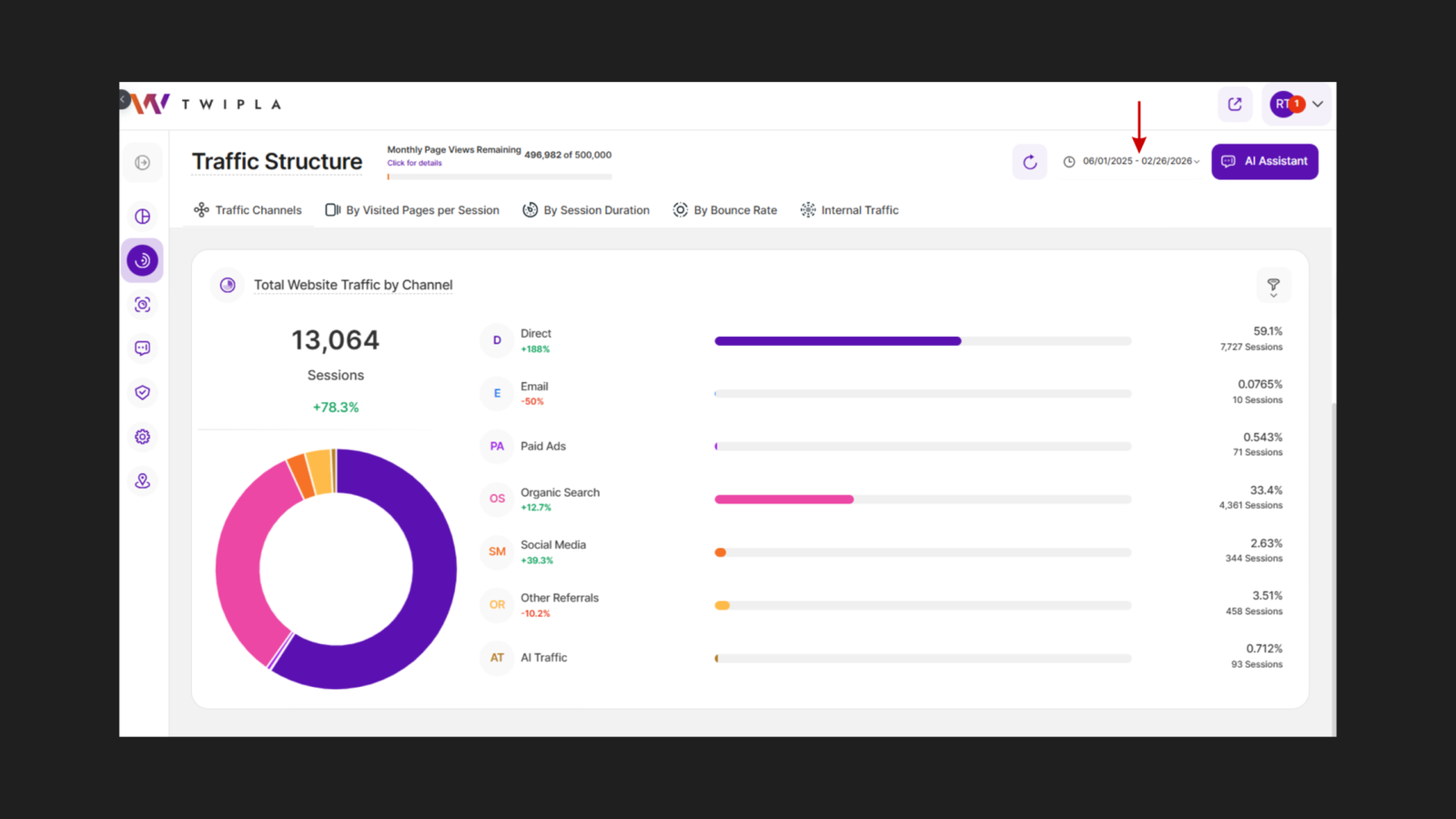
Direct traffic grew by 188% — reaching 7,727 sessions. This growth indicates increasing brand awareness, returning visitors accessing the site directly, and growing trust in the organisation.
Organic Search now drives 4,361 sessions (+12.7%), and organic session duration improved to 2:09 minutes (+53.9%). Organic visitors are staying longer — a signal that content is now matching search intent.
A new traffic channel appeared in the data: AI Traffic. TWIPLA recorded 93 AI-referred sessions — visitors arriving from AI platforms including ChatGPT, Perplexity, and Gemini. This channel did not exist on the previous site.
Search Visibility & Keyword Rankings
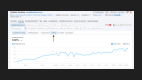
The site went from near-invisible to ranking in position 1 across a range of its highest-priority keywords. SEMrush’s position tracking, running since November 29, 2025, documents the trajectory.
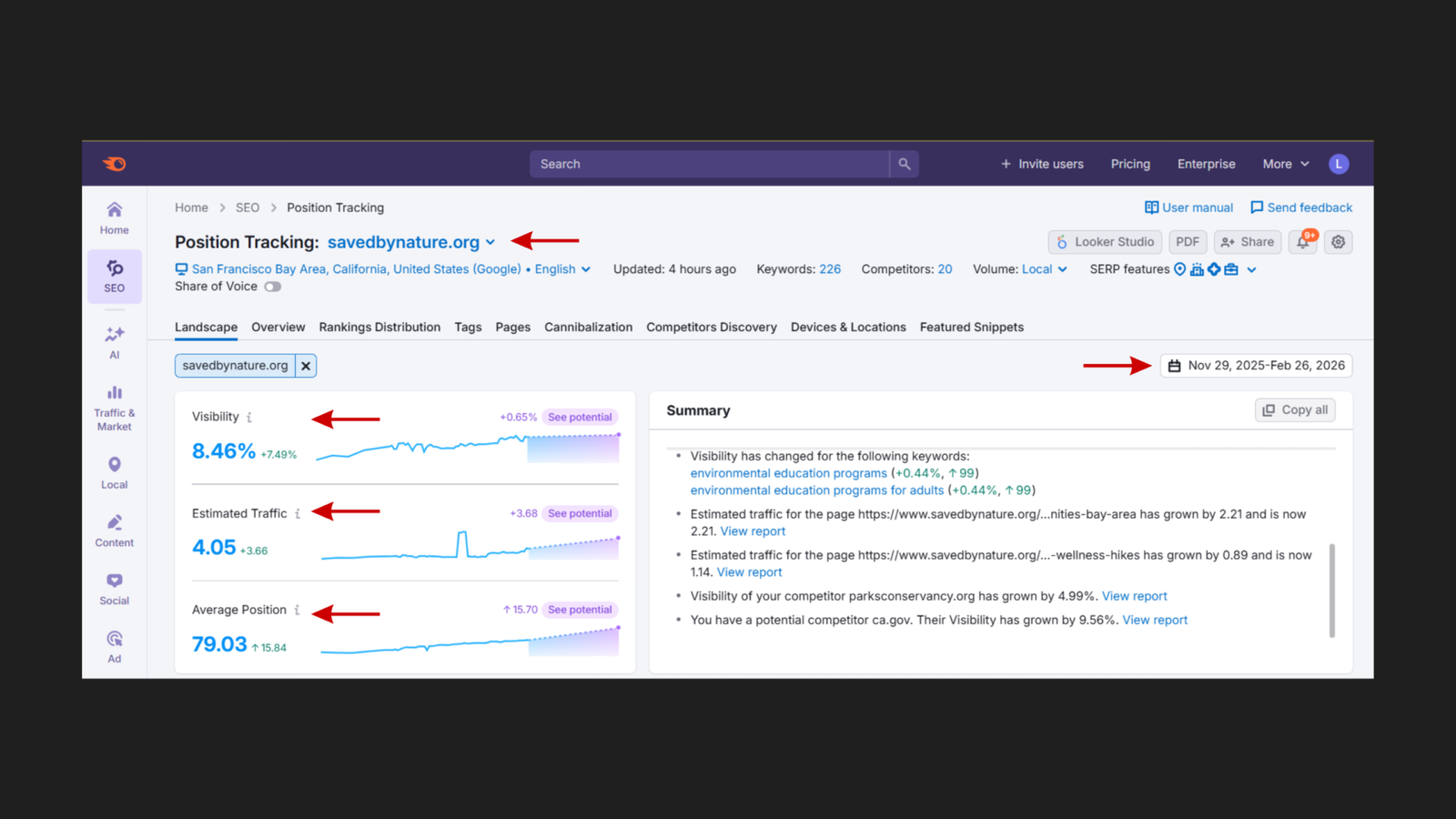
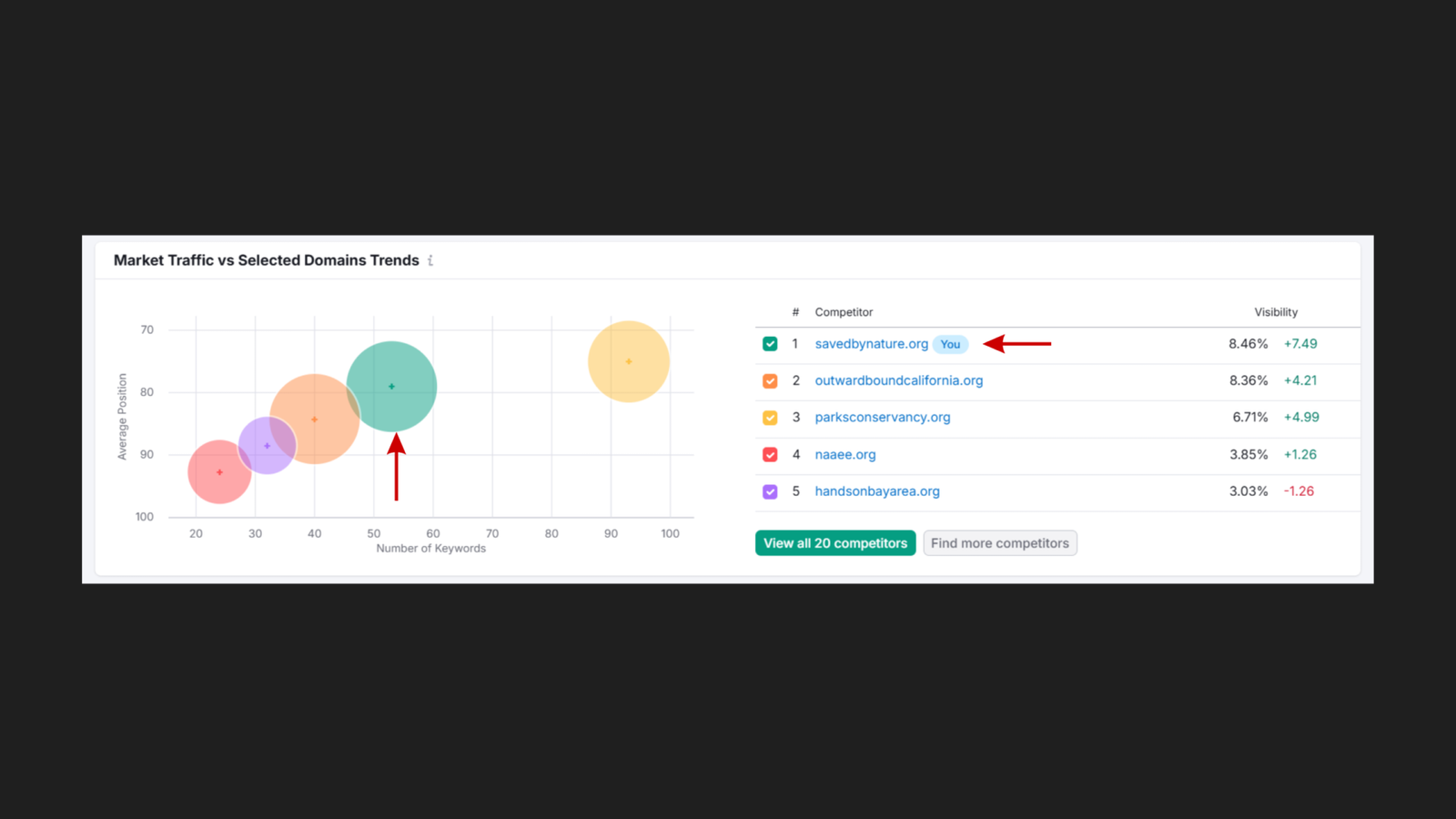
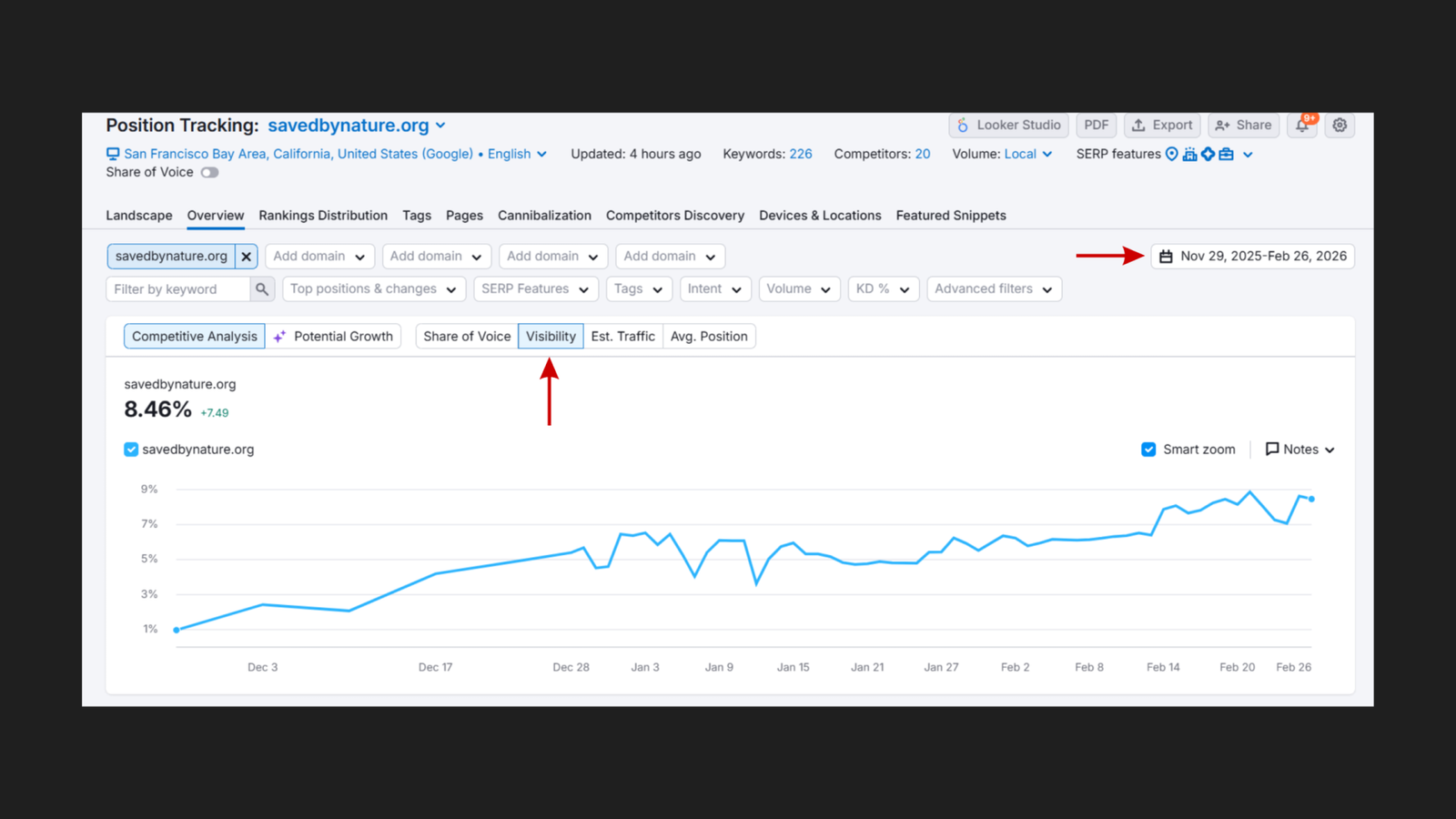
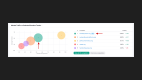
SEMrush visibility reached 8.46% — a +7.49% gain since tracking began on November 29, 2025. More significantly, savedbynature.org now holds the highest search visibility of any Bay Area environmental nonprofit in the tracked competitive set, sitting ahead of outwardboundcalifornia.org (8.36%), parksconservancy.org (6.71%), naaee.org (3.85%), and handsonbayarea.org (3.03%).
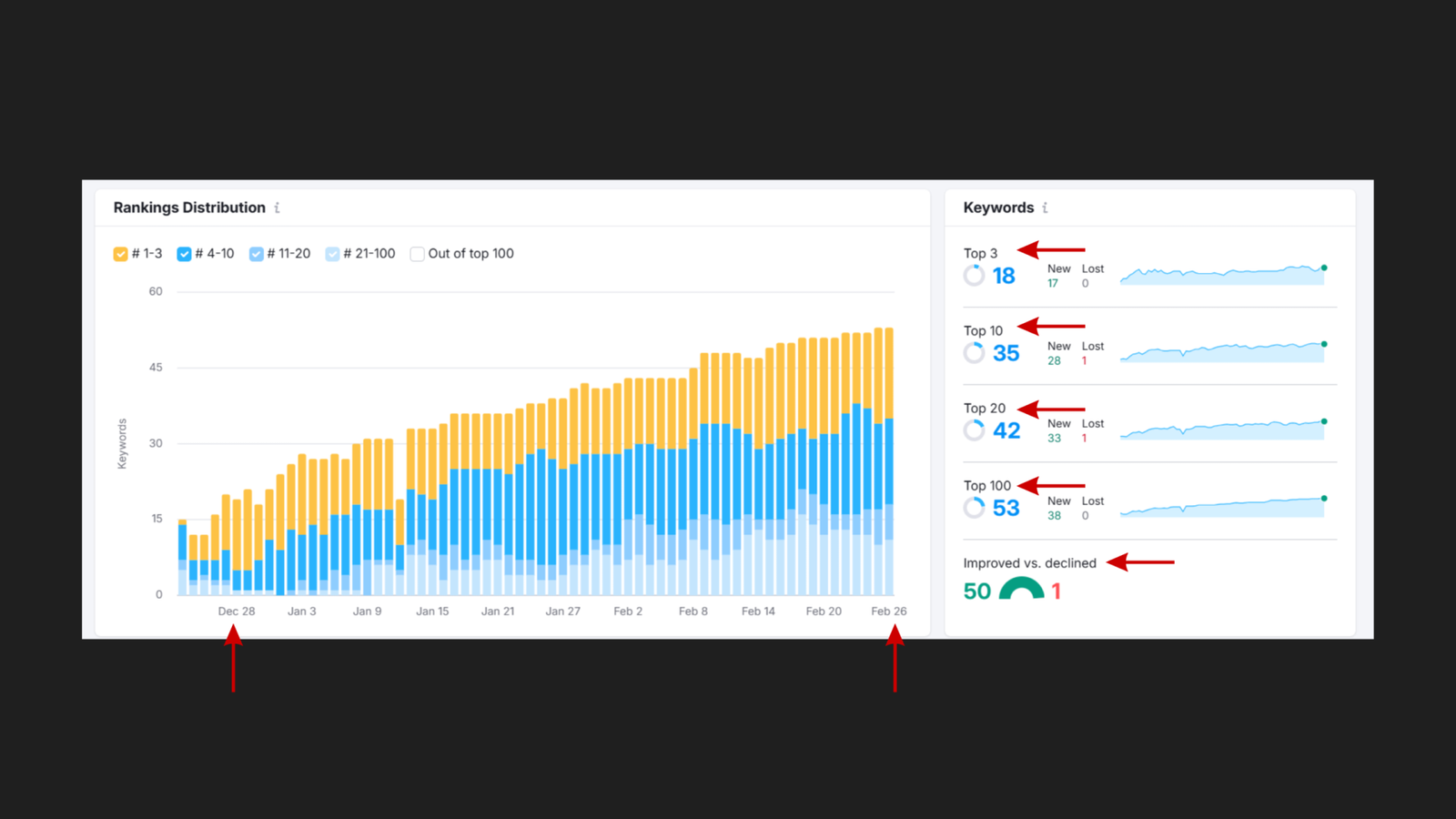
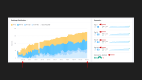
The site now has 18 keywords in the top 3, 35 in the top 10, 42 in the top 20, and 53 in the top 100. All 17 new top-3 keywords were gained — 0 were lost.
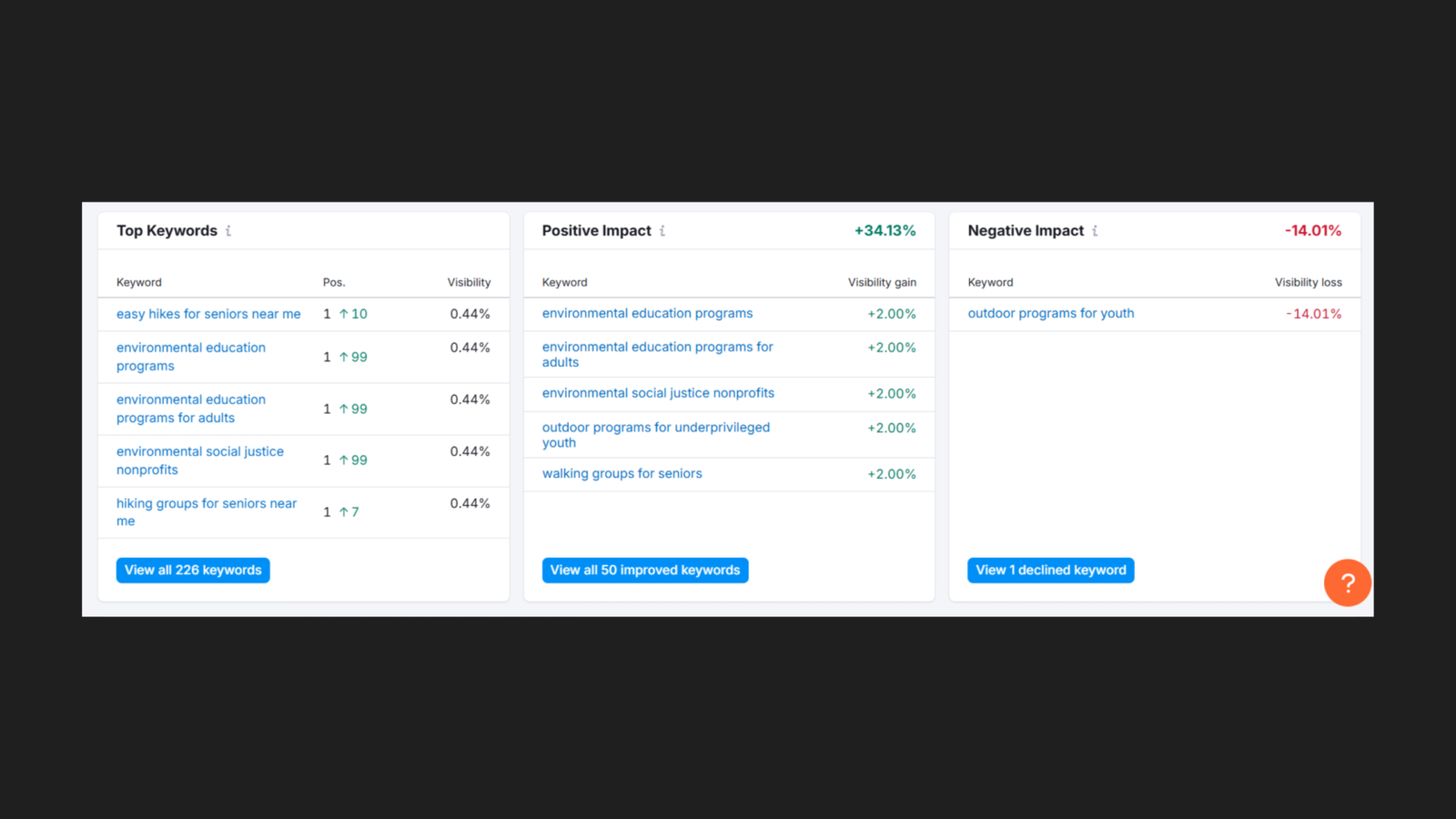
Key position-1 rankings include: “environmental education programs” (↑99 positions), “environmental education programs for adults” (↑99), “environmental social justice nonprofits” (↑99), “easy hikes for seniors near me,” “hiking groups for seniors near me” (↑7), “nature programs for youth” (↑10), and “bay area coastal adventures” (↑99).
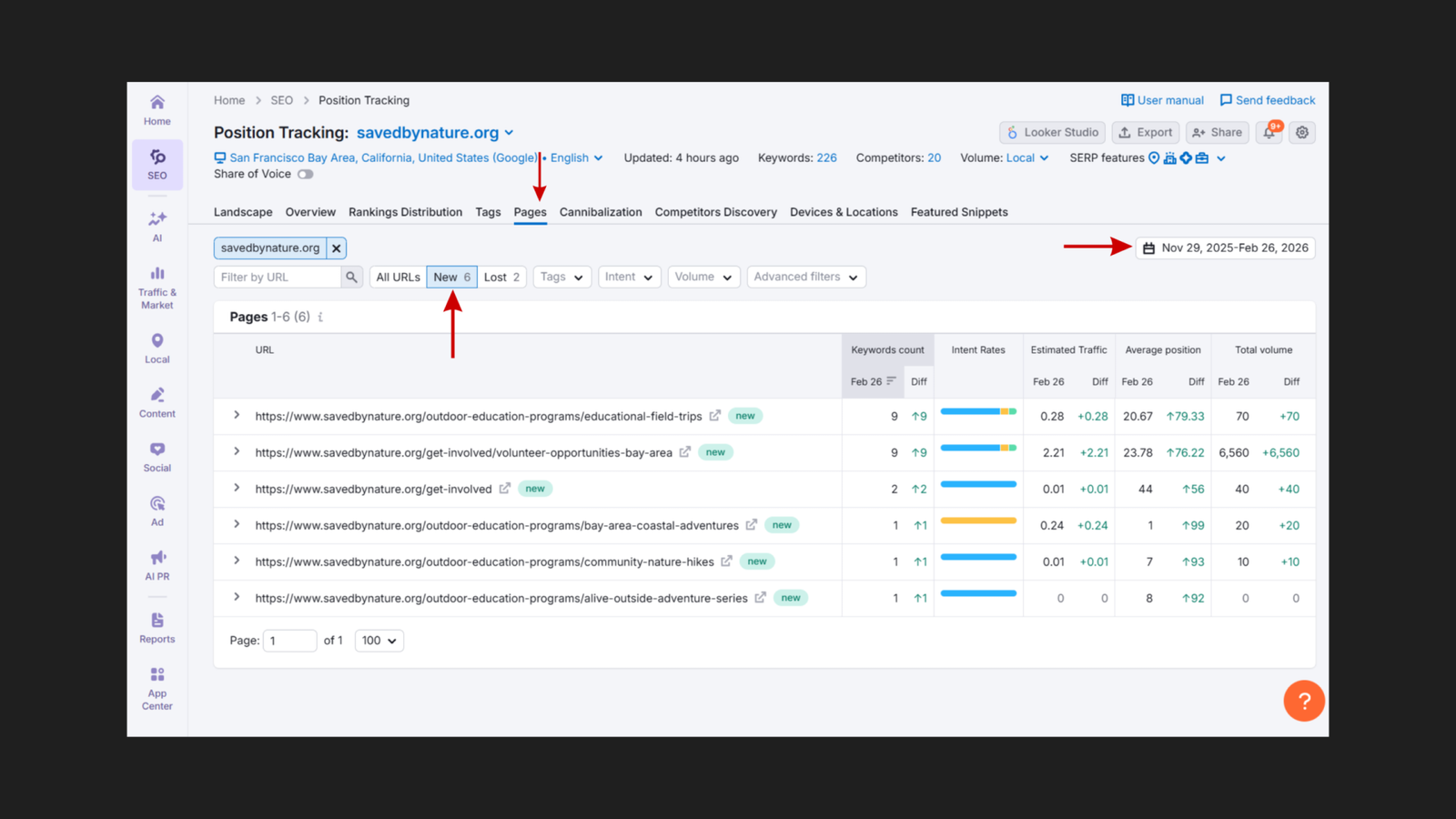
6 brand-new URLs are now appearing in SEMrush position tracking — pages that simply did not exist before the rebuild: educational field trips, volunteer opportunities, get involved, bay area coastal adventures, community nature hikes, and alive outside adventure series.
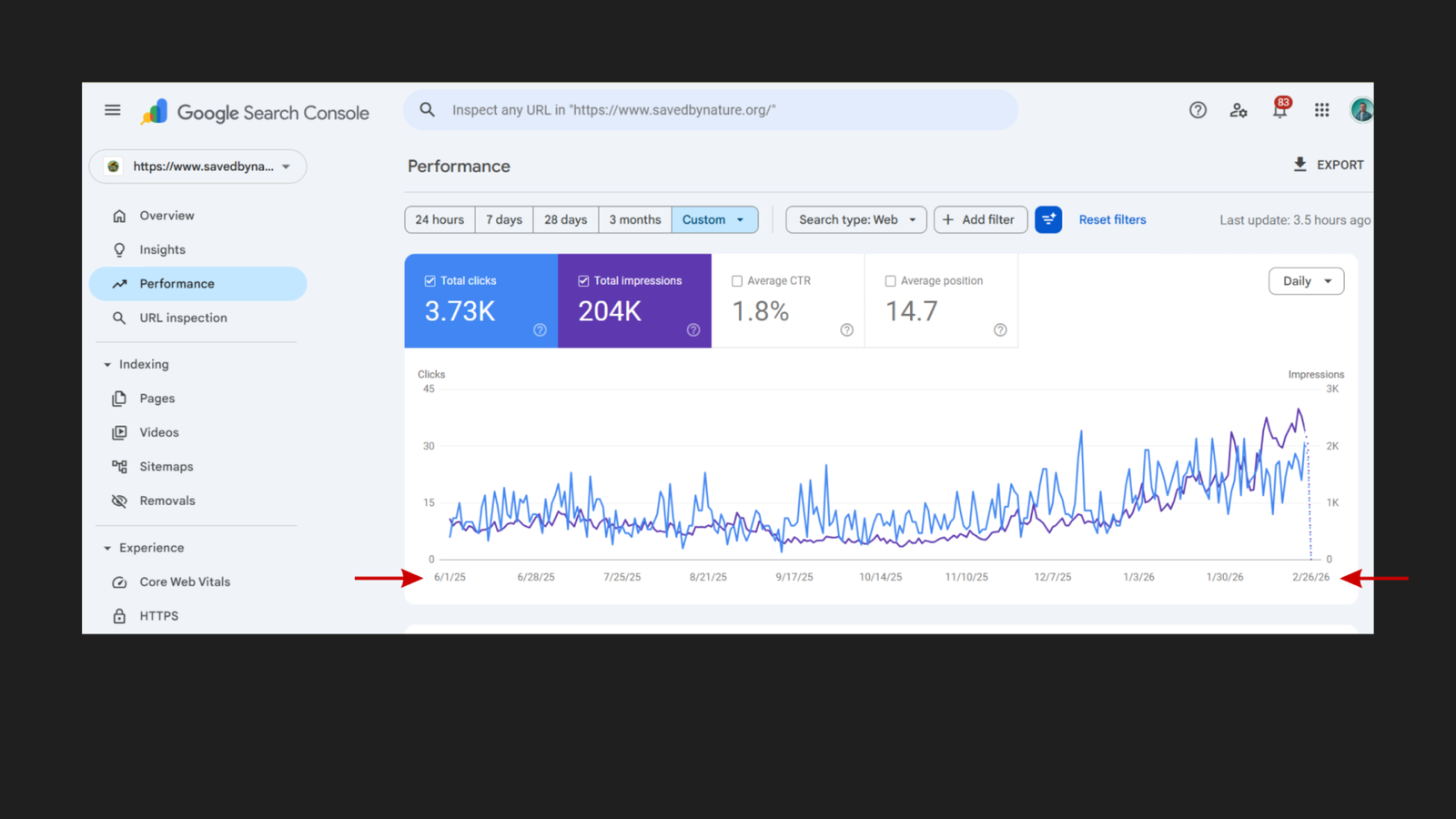
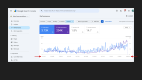
Google Search Console recorded 3.73K total clicks and 204K impressions since June 2025, with an average position of 14.7 — improved from 23 at the start of the project. Over the last three months alone, clicks reached 1.75K (+47%) and impressions 110K (+66%).
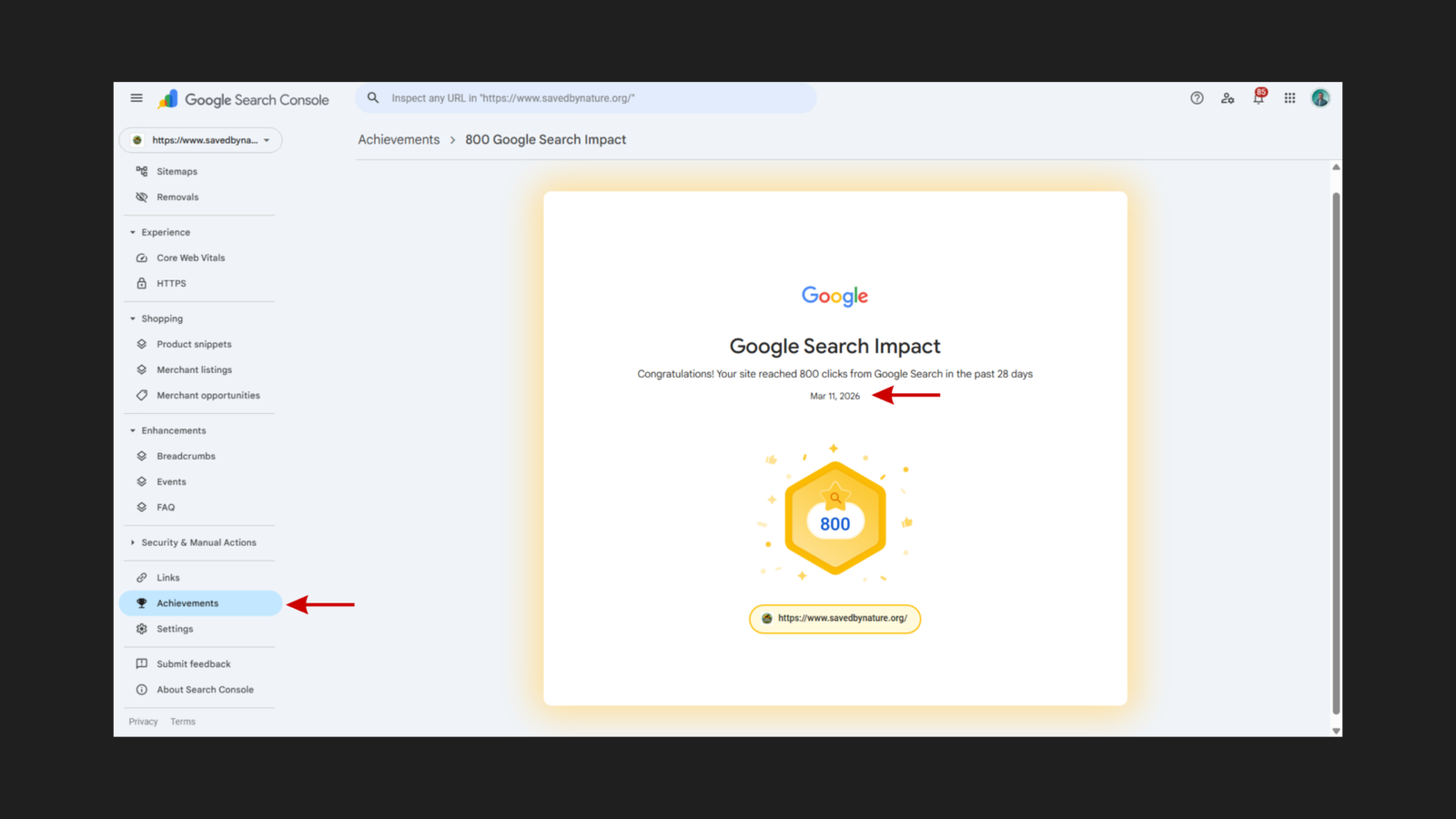
The site hit 800 clicks from Google Search in a single 28-day window on March 11, 2026 — a Google Search Console milestone achievement. It is currently tracking toward 900.
AI Platform Visibility
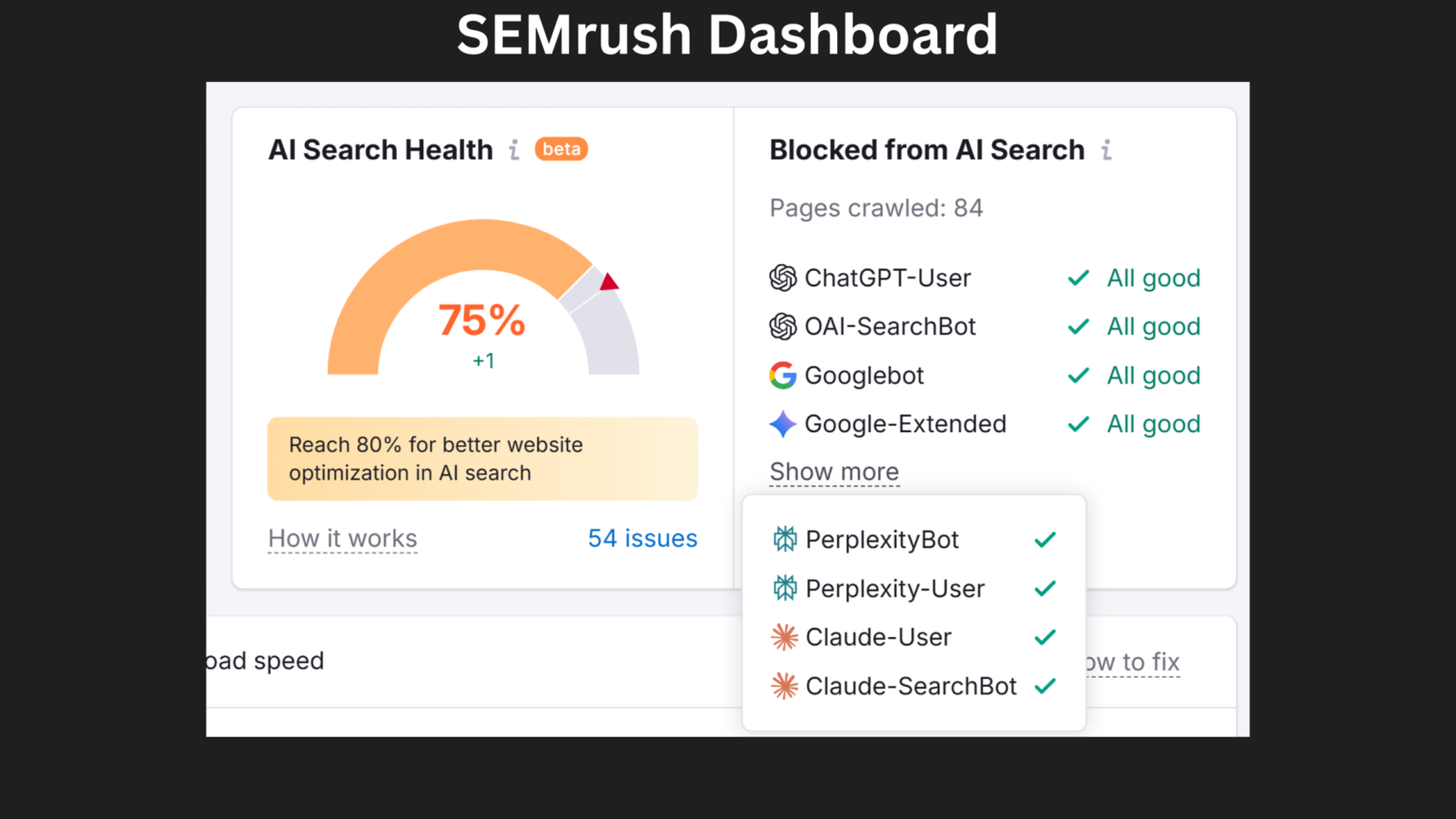
GEO (Generative Engine Optimisation) was built into the content strategy from the start. Every page was written with the structural clarity, entity recognition, and factual specificity that AI systems require to cite a source confidently.
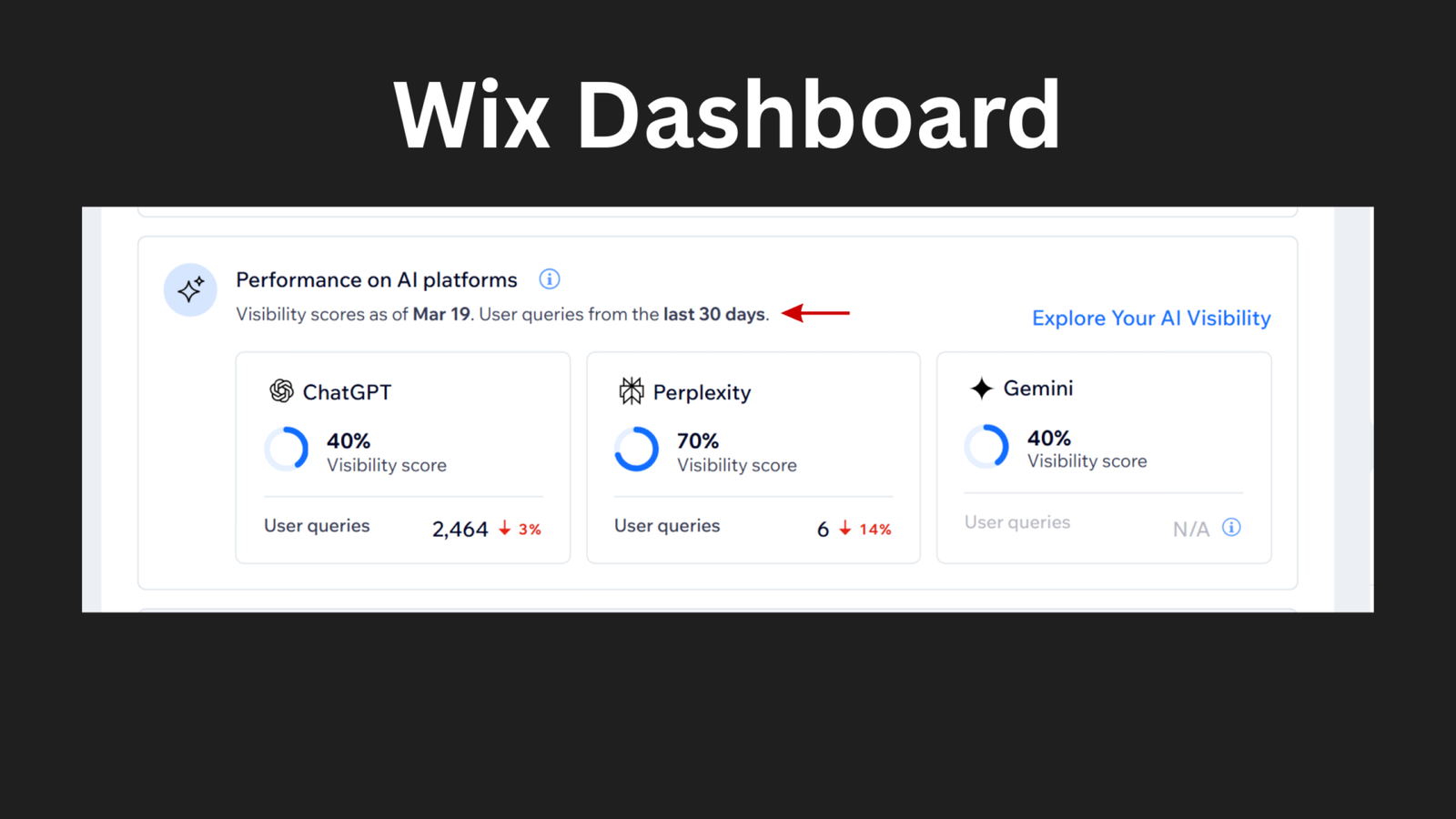
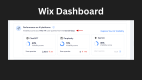
ChatGPT currently cites Saved By Nature at a 40% visibility score, with 2,464 user queries tracked over the last 30 days.
Perplexity cites SBN at a 70% visibility score across 6 tracked queries.
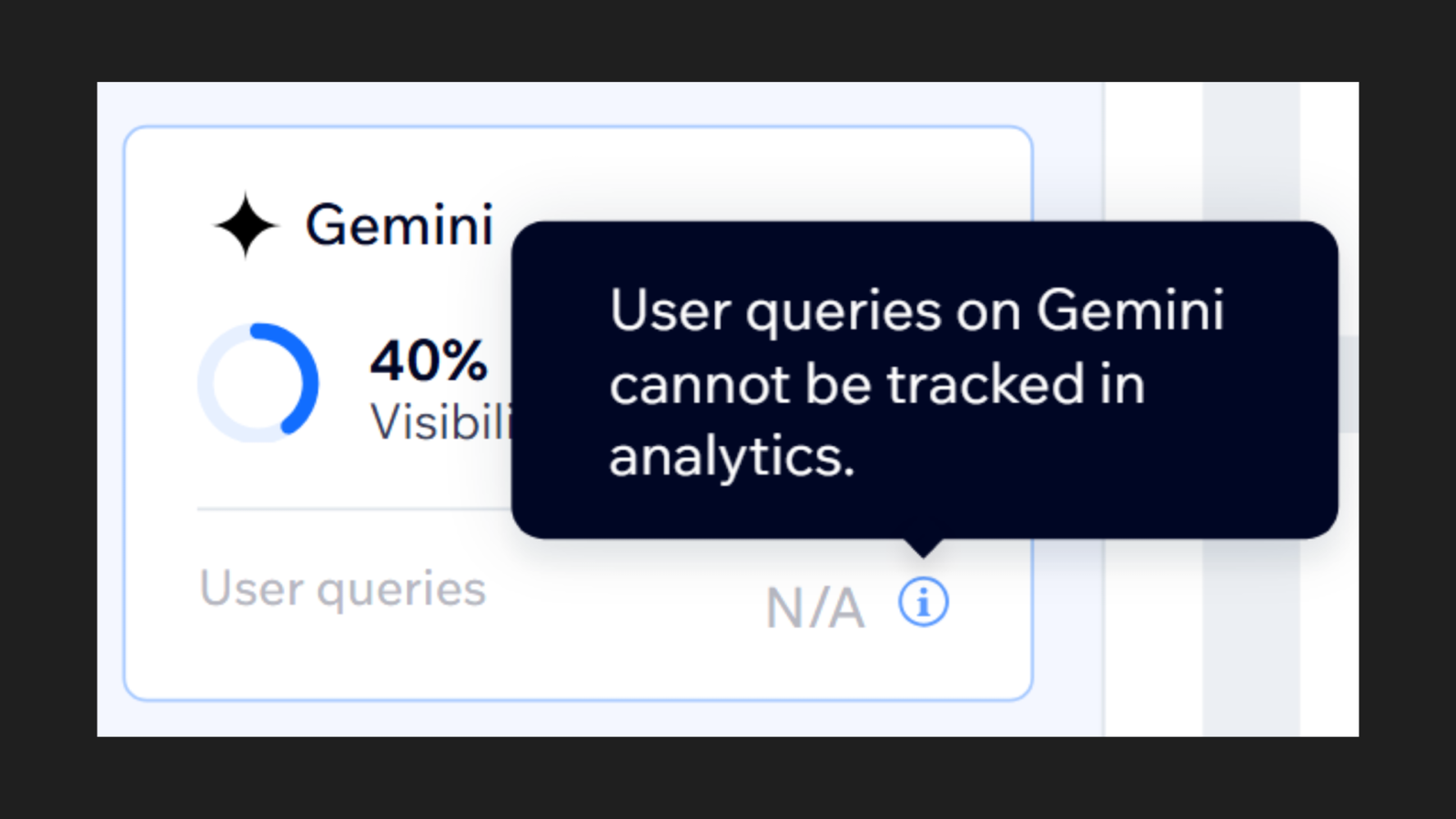
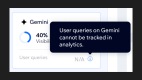
Gemini cites SBN at a 40% visibility score. User query volume cannot be tracked for Gemini — Wix confirms this is a platform limitation, not a data gap.
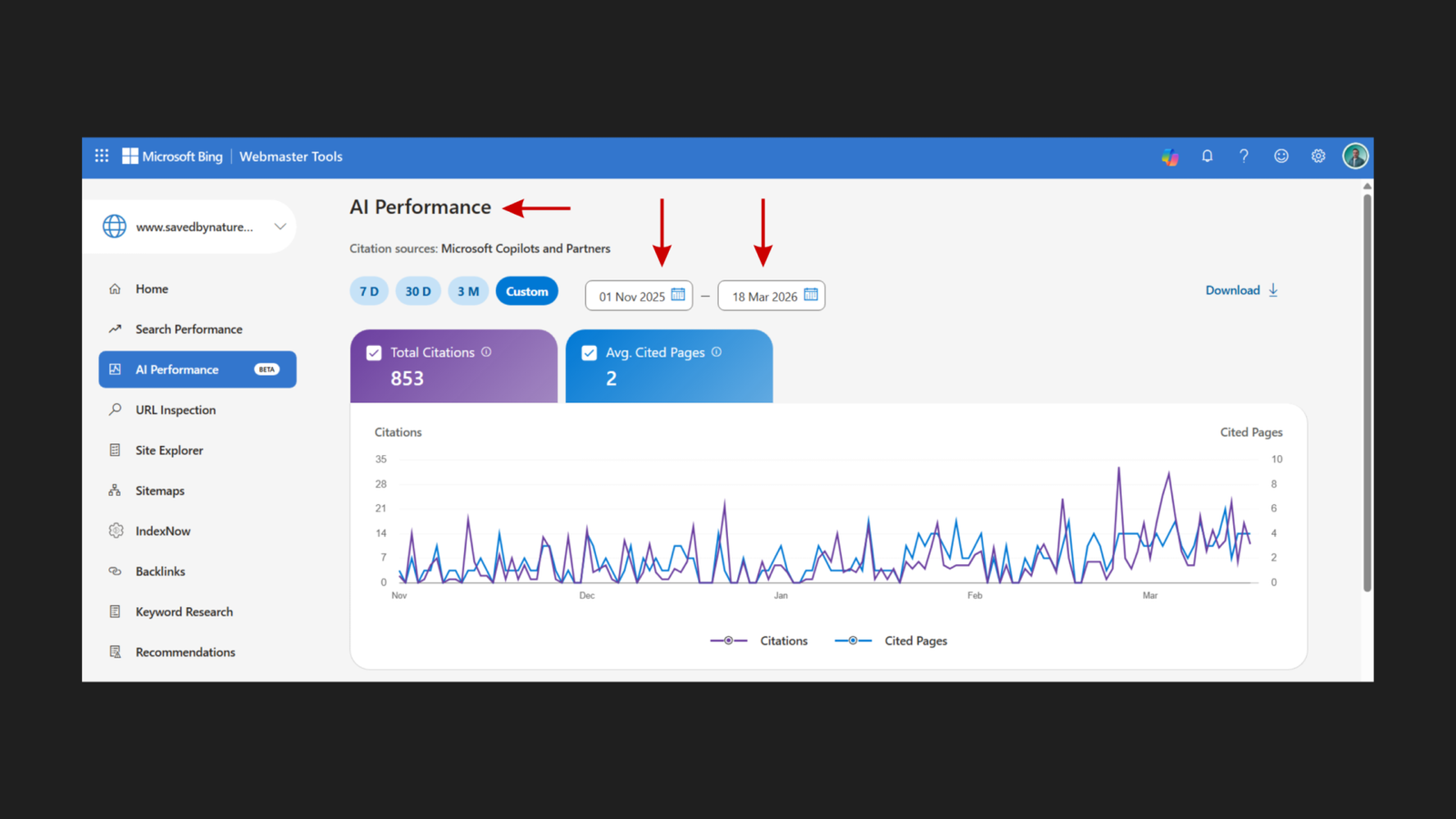
Bing’s AI systems (Microsoft Copilots and Partners) generated 853 total citations from the SBN site between November 2025 and March 2026, with an average of 2 pages cited per relevant query.
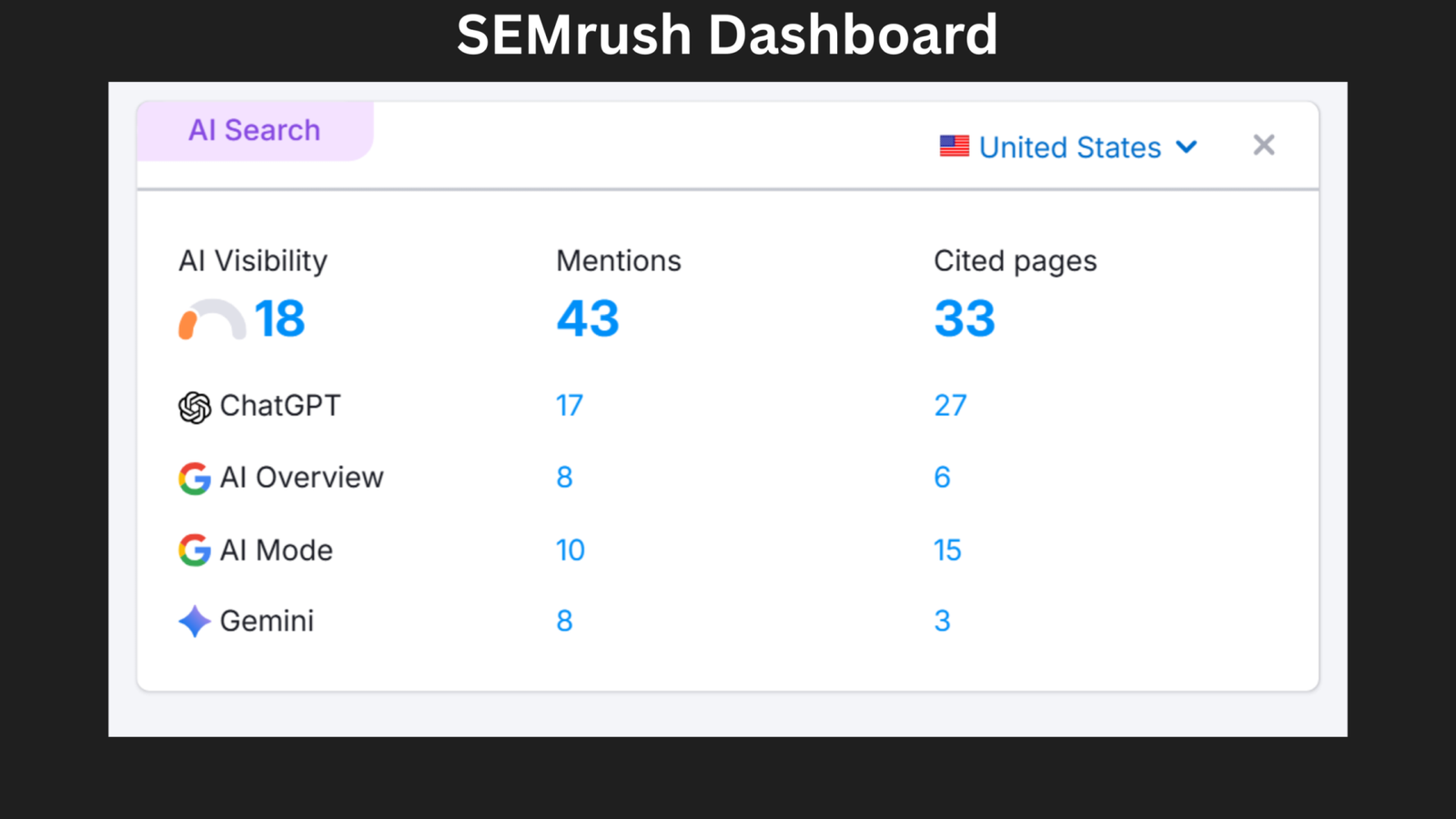
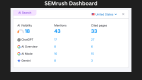
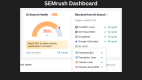
SEMrush’s AI Search tracking records 43 mentions and 33 cited pages across ChatGPT, Google AI Overview, Google AI Mode, and Gemini — with ChatGPT alone accounting for 17 mentions across 27 cited pages.
The enrollment acquisition data confirms this is driving real outcomes: program enrollment forms have recorded participants who found SBN through Google AI Overview, Chat GPT, and Perplexity — AI referral attribution that didn’t exist before GEO optimisation was applied.
Google Business Profile
Before the rebuild, SBN’s Google Business Profile had been largely untouched since the organisation’s founding — two reviews after six years of operation, an incorrect primary category, and no service areas configured.
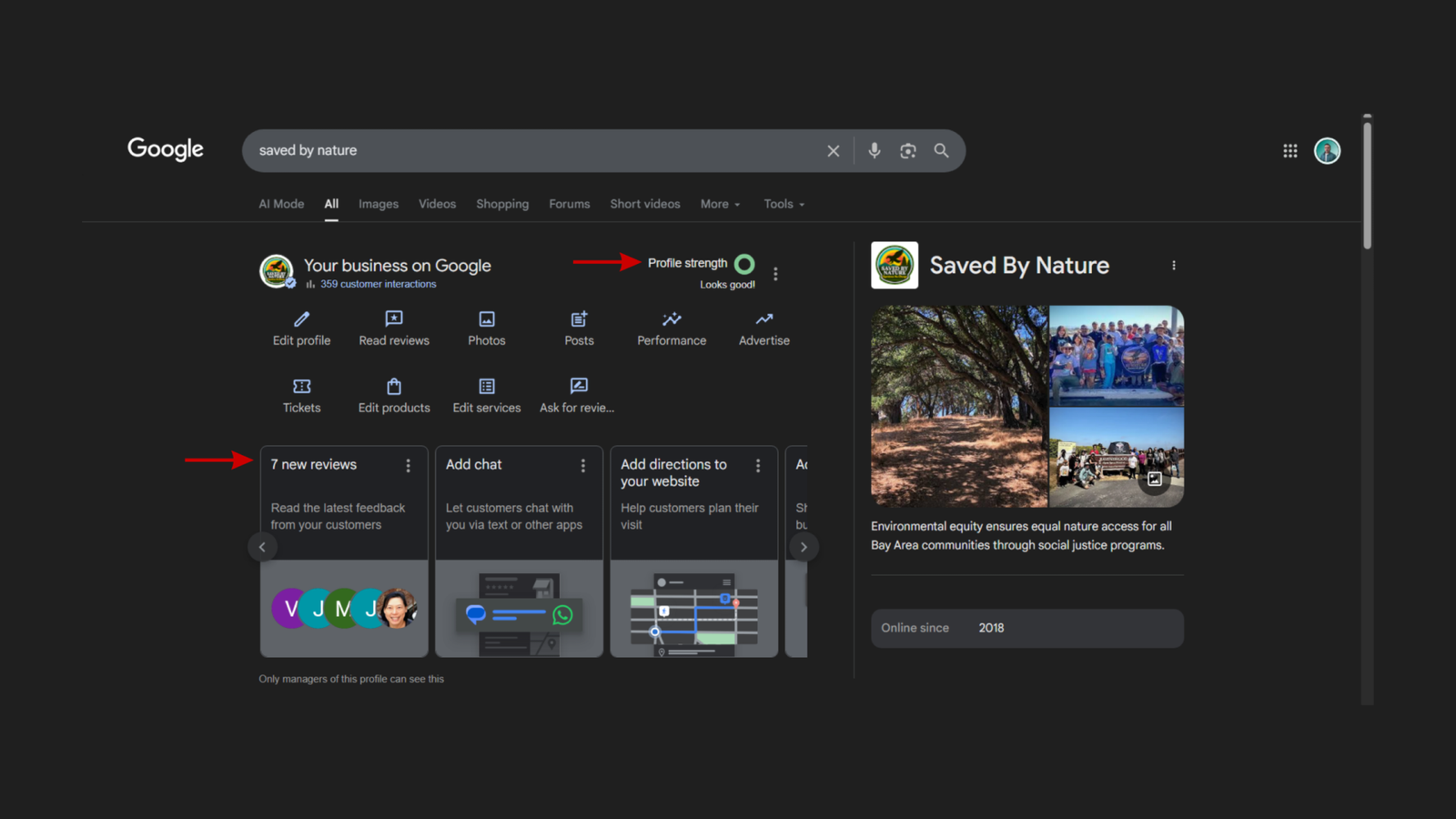
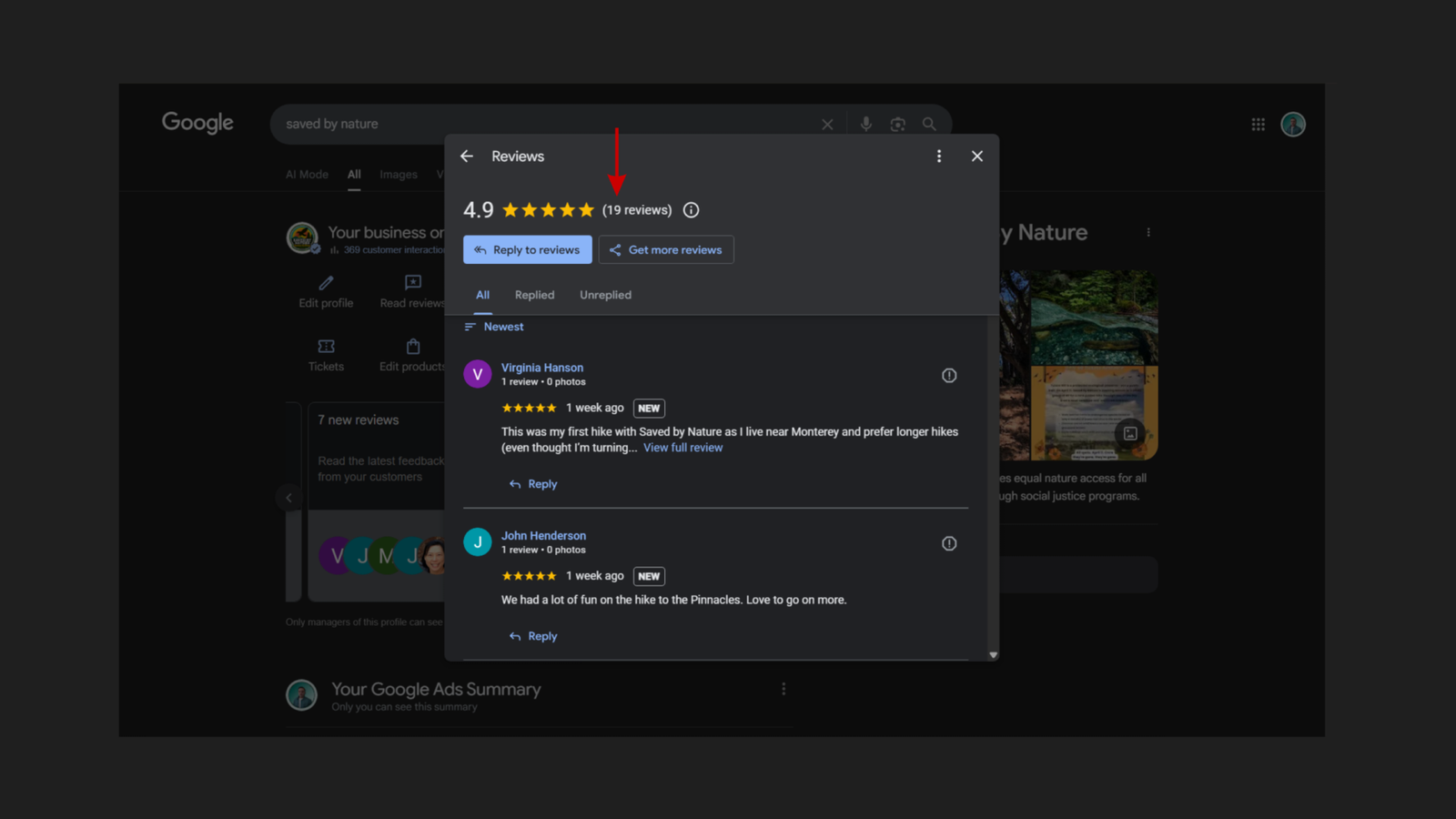
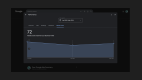
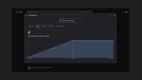
Google reviews grew from 2 to 19 at a 4.9-star average following the deployment of three review request email templates in January 2026 — one per community program, each with a direct link to the review page.
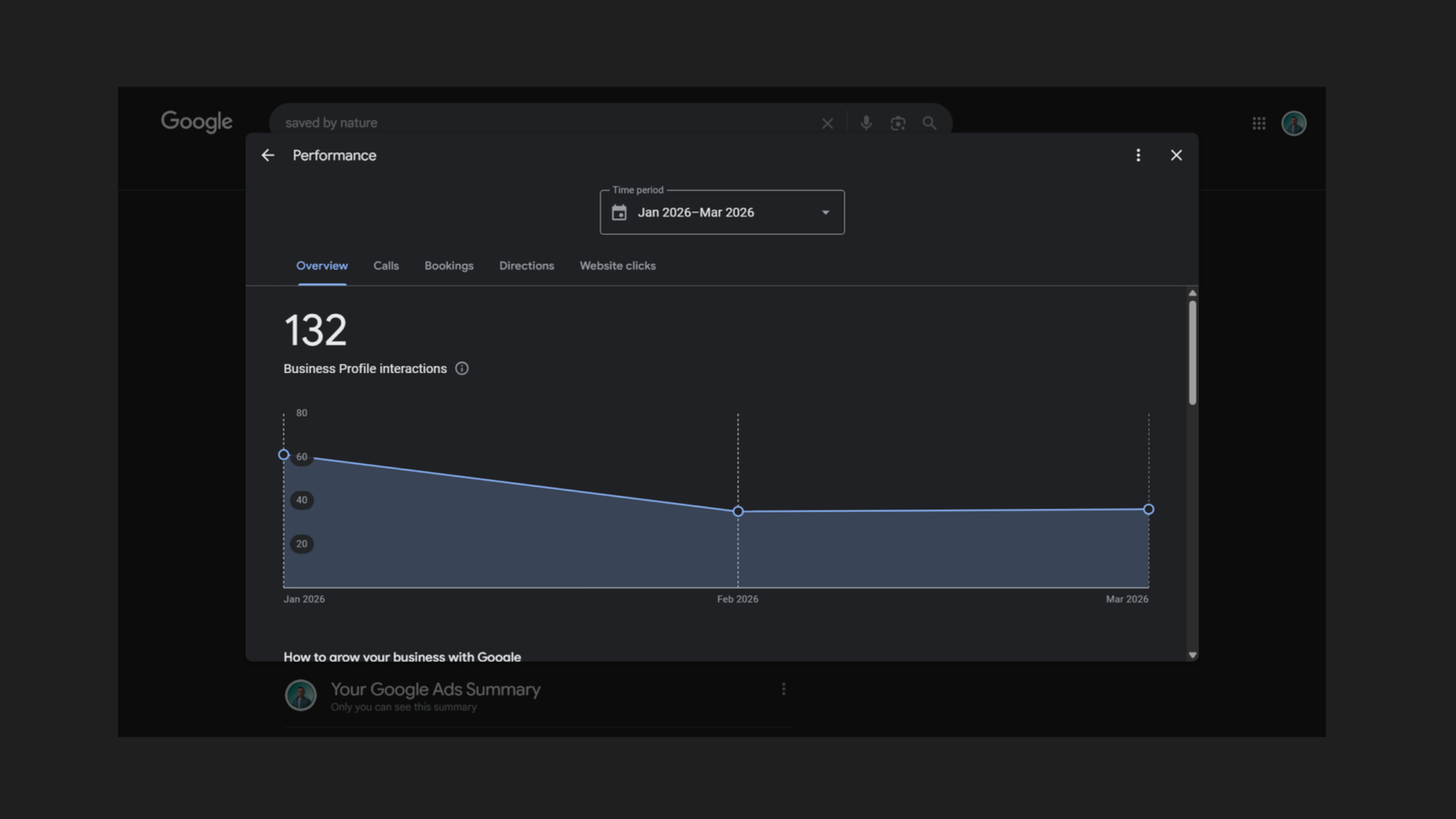
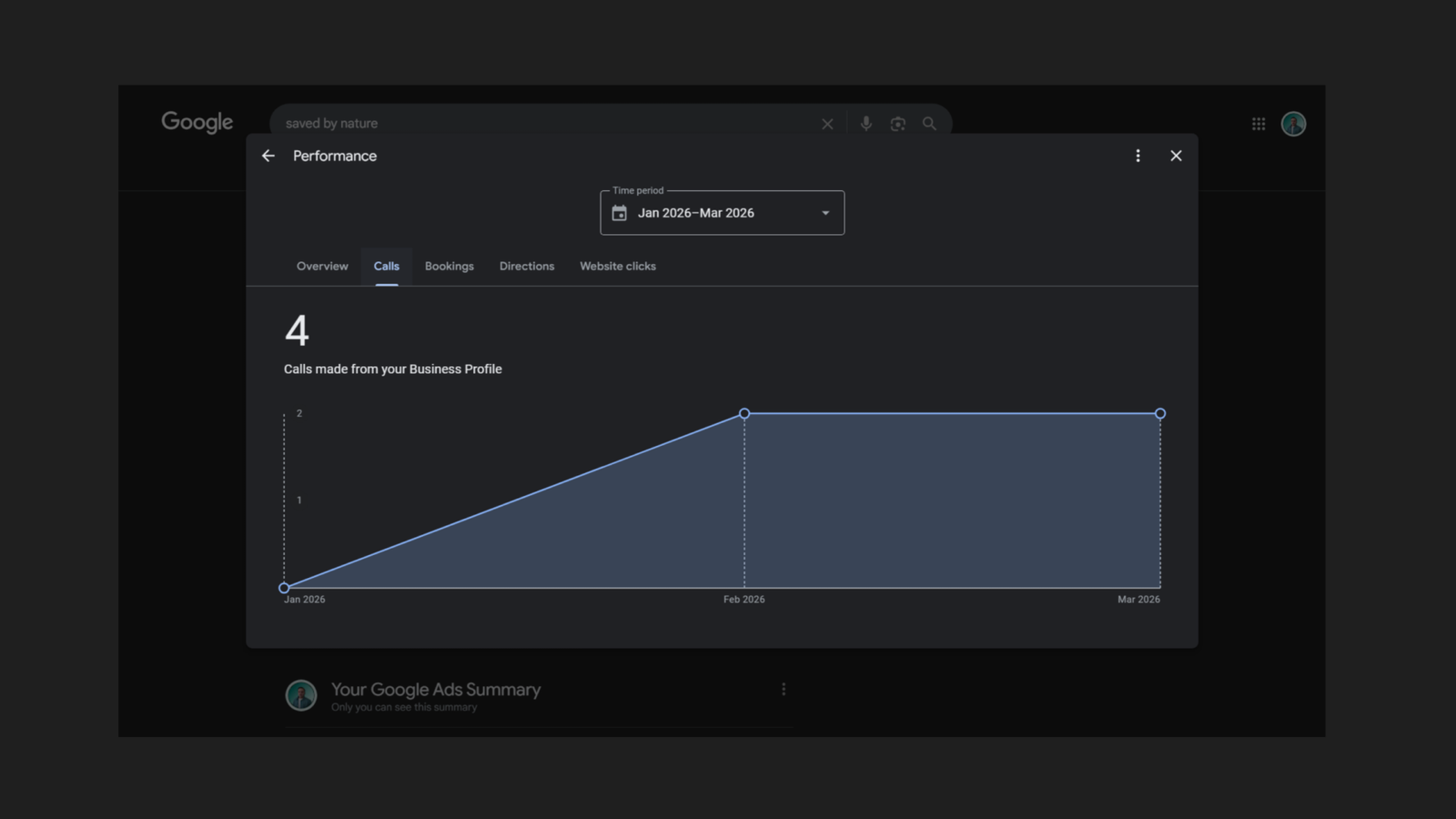
132 Business Profile interactions recorded between January and March 2026.
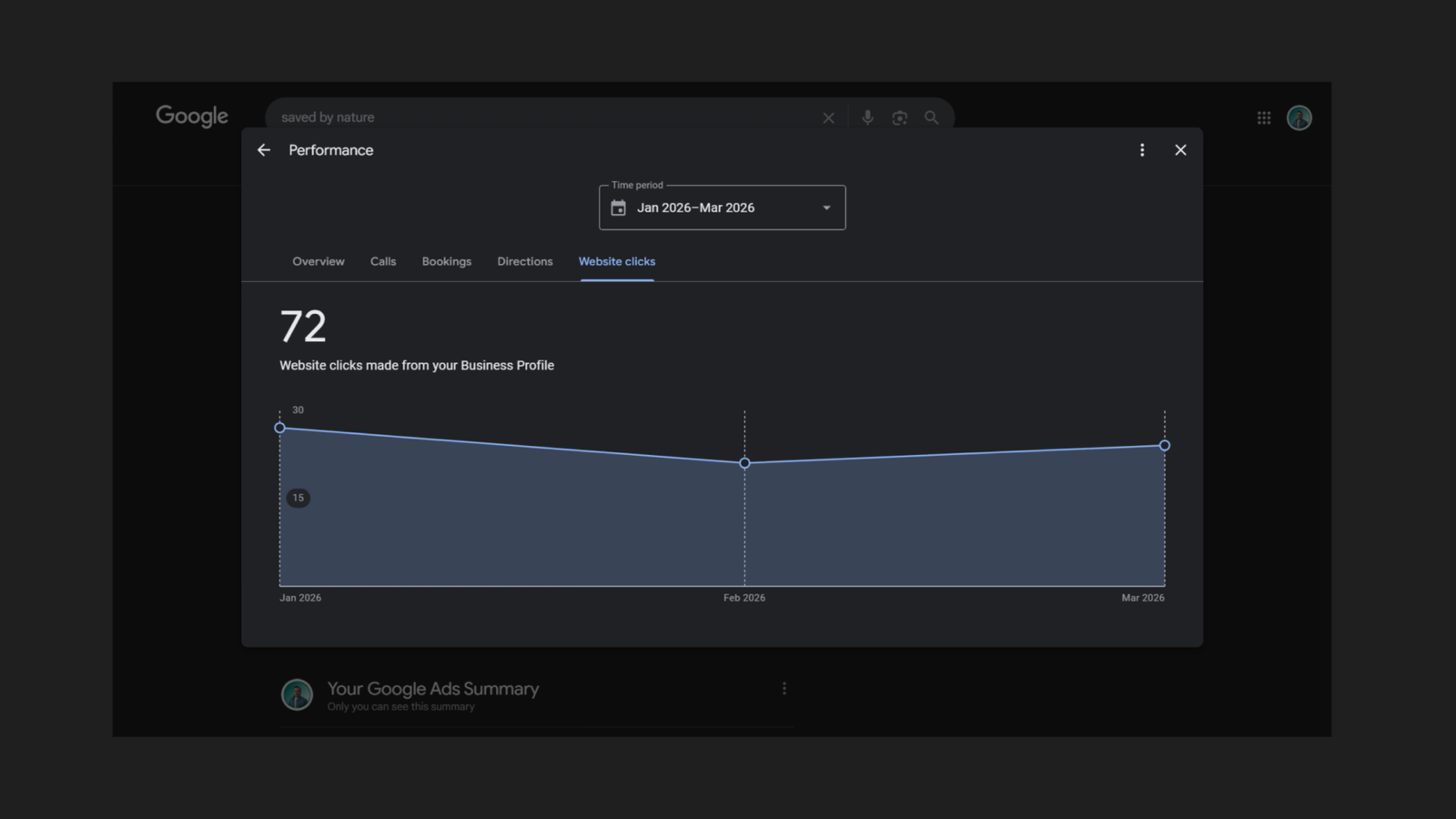
72 website clicks driven directly from the Business Profile over the same period.
4 calls made directly from the Business Profile.
The profile now carries a correct primary category, five secondary categories, a fully optimised business description, all service areas configured, and approximately 300 photos uploaded with SEO-optimised filenames.